Franklin Battery Storage Benefits Explained

What is the FranklinWH aPower 2 and How Does it Work?
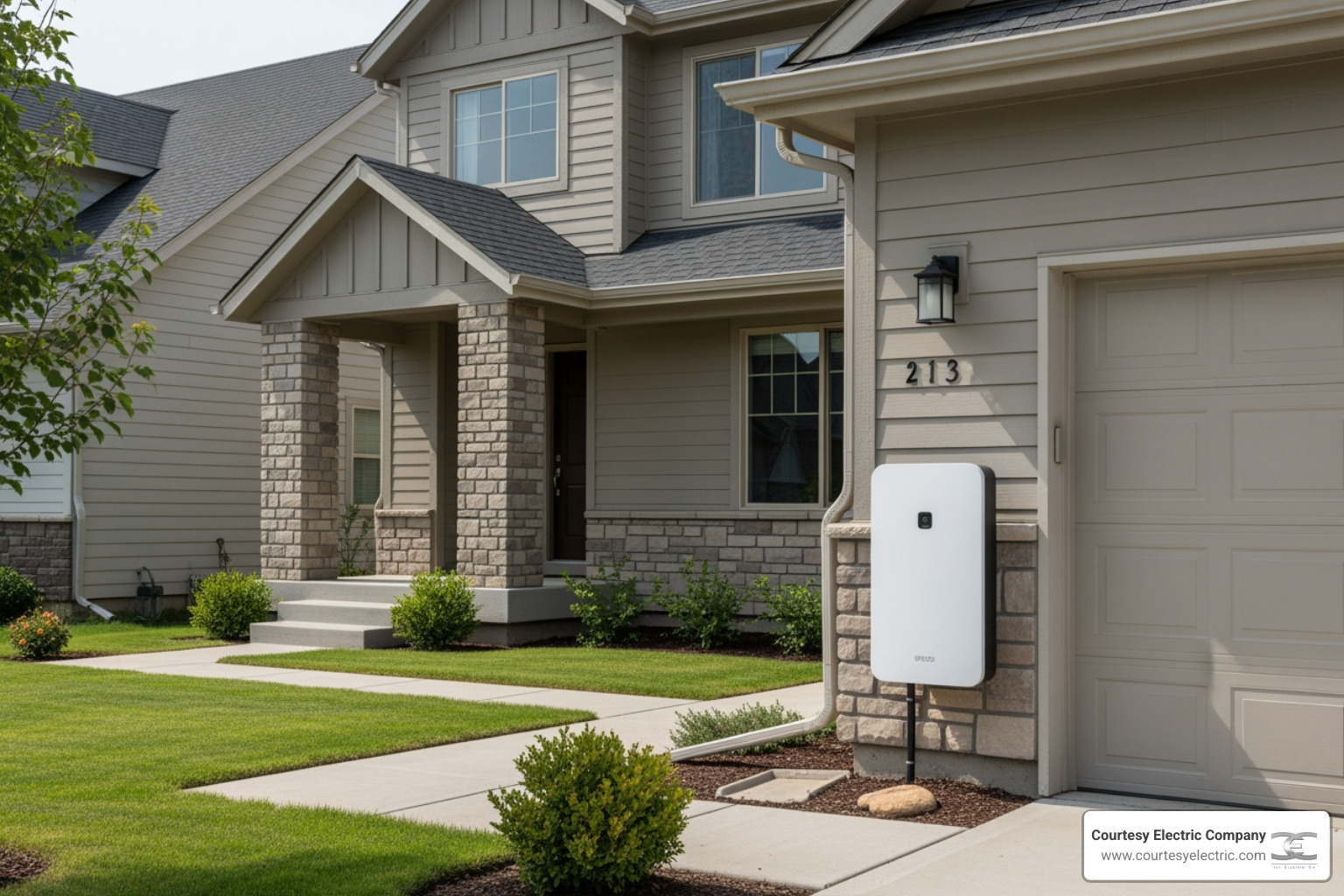
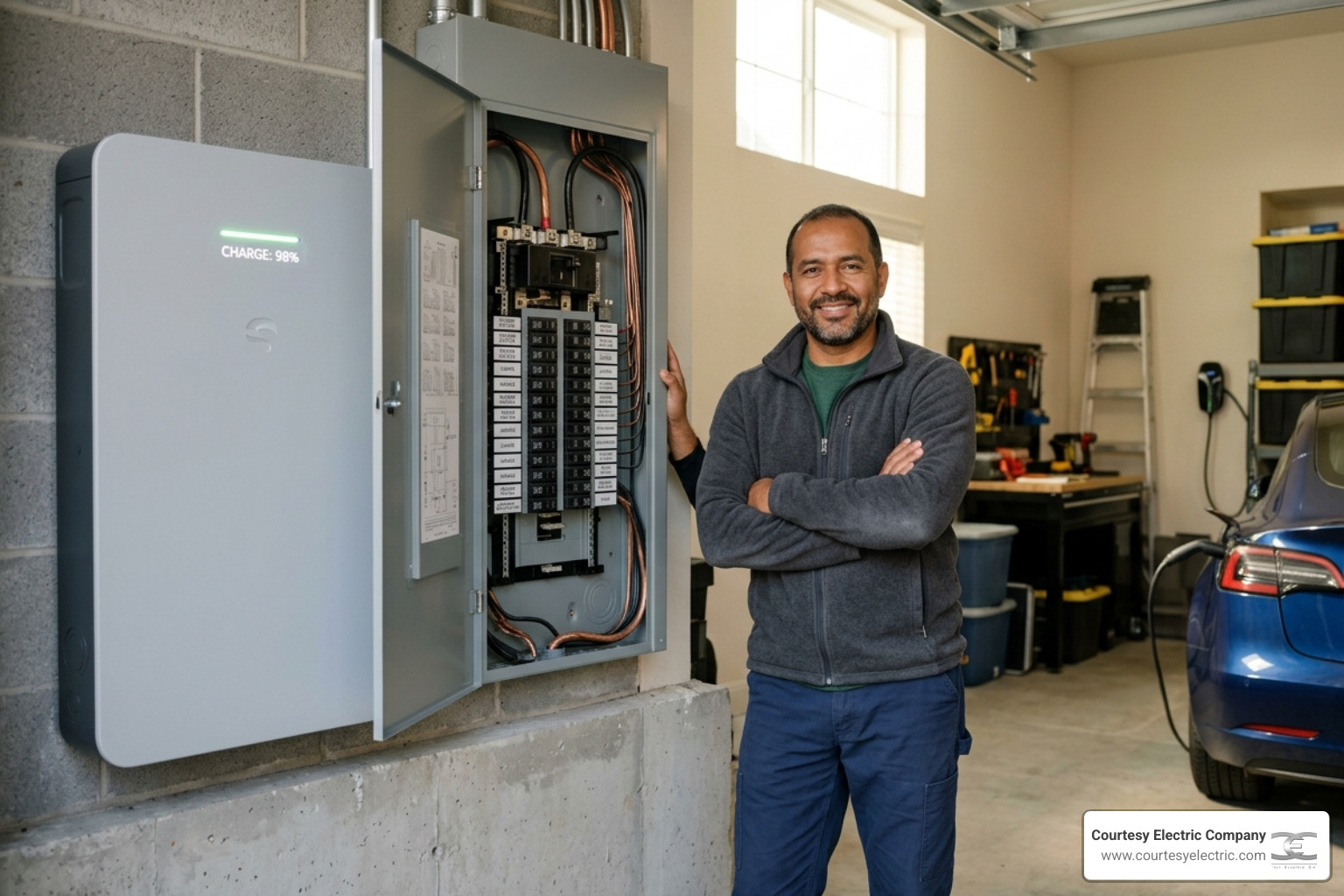
Franklin battery storage home installation with aPower 2 battery unit mounted on exterior wall

Franklin battery storage benefits explained simply: the FranklinWH aPower 2 gives your home reliable, whole-home backup power, smarter energy management, and genuine independence from the grid — all in a single, scalable system.

Here's a quick look at the core benefits:

  • Whole-home backup — 10 kW continuous output handles central A/C, refrigerators, and more during outages
  • Fast outage response — switches to battery power in under 20 milliseconds, so you barely notice a grid failure
  • Solar-ready — works with virtually any existing solar inverter without replacing your current equipment
  • Smart energy savings — three operating modes let you avoid peak utility rates and maximize solar self-consumption
  • Exceptional durability — IP67 weatherproofing and an operating range of -4°F to 131°F makes it well-suited for Colorado's climate
  • Long-term warranty — 15-year coverage with 60 MWh of guaranteed throughput, well above the industry standard
  • Scalable storage — expand up to 15 units for a maximum of 225 kWh of total capacity

Power outages on the Colorado Front Range are not just an inconvenience — they can mean frozen pipes in winter, lost food, and hours without heat or light. As the grid ages and severe weather becomes more common, more Denver-area homeowners are asking whether battery storage is the right move. The FranklinWH system is one of the most capable answers on the market in 2026, combining automotive-grade engineering with smart home energy management in a package designed for real-world demands.

I'm David Meyer, Vice President of Courtesy Electric, and after nearly 50 years of our family business powering homes across Colorado, I've seen how the right battery storage solution transforms a home's resilience — which is why I'm passionate about getting franklin battery storage benefits explained clearly for every homeowner we serve. In the sections below, I'll walk you through everything you need to know to decide if this system is the right fit for your home.
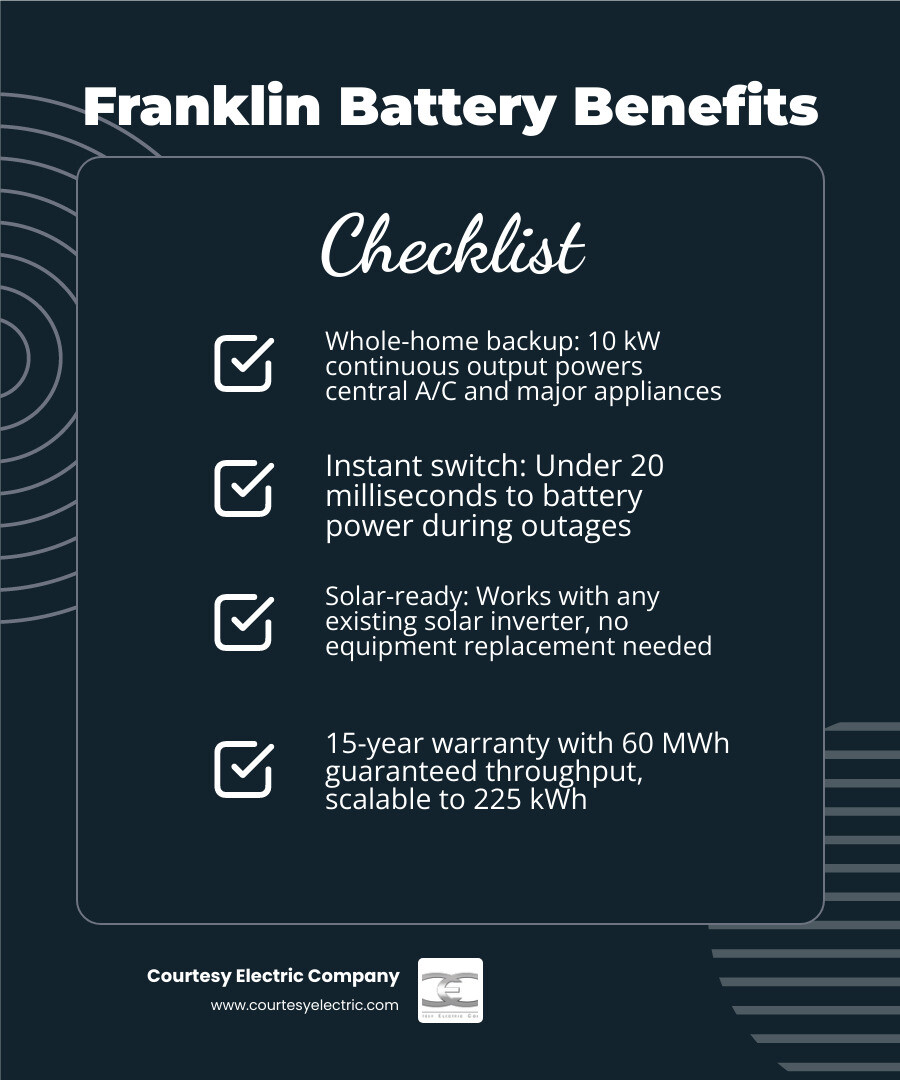
Infographic showing FranklinWH aPower 2 key benefits: whole-home backup, solar compatibility, smart modes, 15-year warranty

The FranklinWH aPower 2 is more than just a battery; it is a sophisticated energy storage device designed to act as the heart of a home microgrid. At its core, it utilizes Lithium Iron Phosphate (LFP) chemistry. For those of us in the Denver area, this matters because LFP is significantly more stable and safer than the older lithium-ion chemistries used in previous generations of home batteries. It is less prone to thermal runaway and offers a much longer lifespan.

Each aPower 2 unit provides 15 kWh of usable capacity and 10 kW of continuous power output. In energy storage, "capacity" is how much total energy you have (how long the lights stay on), while "power" is how many things you can run at the same time. Having 10 kW of continuous output in a single unit is a massive advantage. It means you aren't just powering a few LED bulbs and a phone charger; you are powering a real home.

One of the standout features we appreciate at Courtesy Electric is the AC-coupled design. This means the battery can be added to almost any home, regardless of what type of solar panels or inverters you already have installed. If you are looking for a comprehensive overview of how these systems fit into a modern home, our Battery Storage Guide Centennial CO provides excellent context on local integration.

Franklin Battery Storage Benefits Explained for Whole-Home Backup

When we discuss franklin battery storage benefits explained for backup, the conversation usually turns to air conditioning. In the past, many home batteries struggled to start a central A/C unit because of the massive "surge" of electricity required to get the compressor moving.

The aPower 2 is designed specifically to handle these heavy loads. It offers a 15 kW peak output for up to 10 seconds. This surge capability is high enough to start a 5-ton A/C unit, which is typically the largest size found in residential homes. This makes the FranklinWH system a true whole-home backup solution. Whether it’s a sudden summer blackout or a winter storm, you can maintain a comfortable environment without picking and choosing which rooms to keep cool or warm. For a deeper dive into how this looks in practice, check out our Battery Storage Fraser CO Complete Guide.

Technical Specifications and Safety Features

The engineering behind the aPower 2 is inspired by the automotive industry, where reliability is a matter of safety. It uses prismatic cells, which are more durable and offer better thermal management than the cylindrical cells found in some other systems.

  • Efficiency: The system boasts a 96% round-trip efficiency, meaning very little energy is lost when moving power in and out of the battery.
  • Visual Status: A sleek RGB LED status strip on the unit provides a quick visual indicator of the battery's state, so you can see if you are charging, discharging, or in backup mode at a glance.
  • Safety First: With 16 temperature sensors distributed across the pack and an automotive-grade Battery Management System (BMS), the unit monitors itself constantly to prevent overcharging or overheating.

For homeowners in more rural parts of the Front Range, understanding these technical nuances is key to long-term satisfaction. We've outlined more on this in our guide to Battery Storage in Granby CO.

Advanced Energy Management with the aGate System

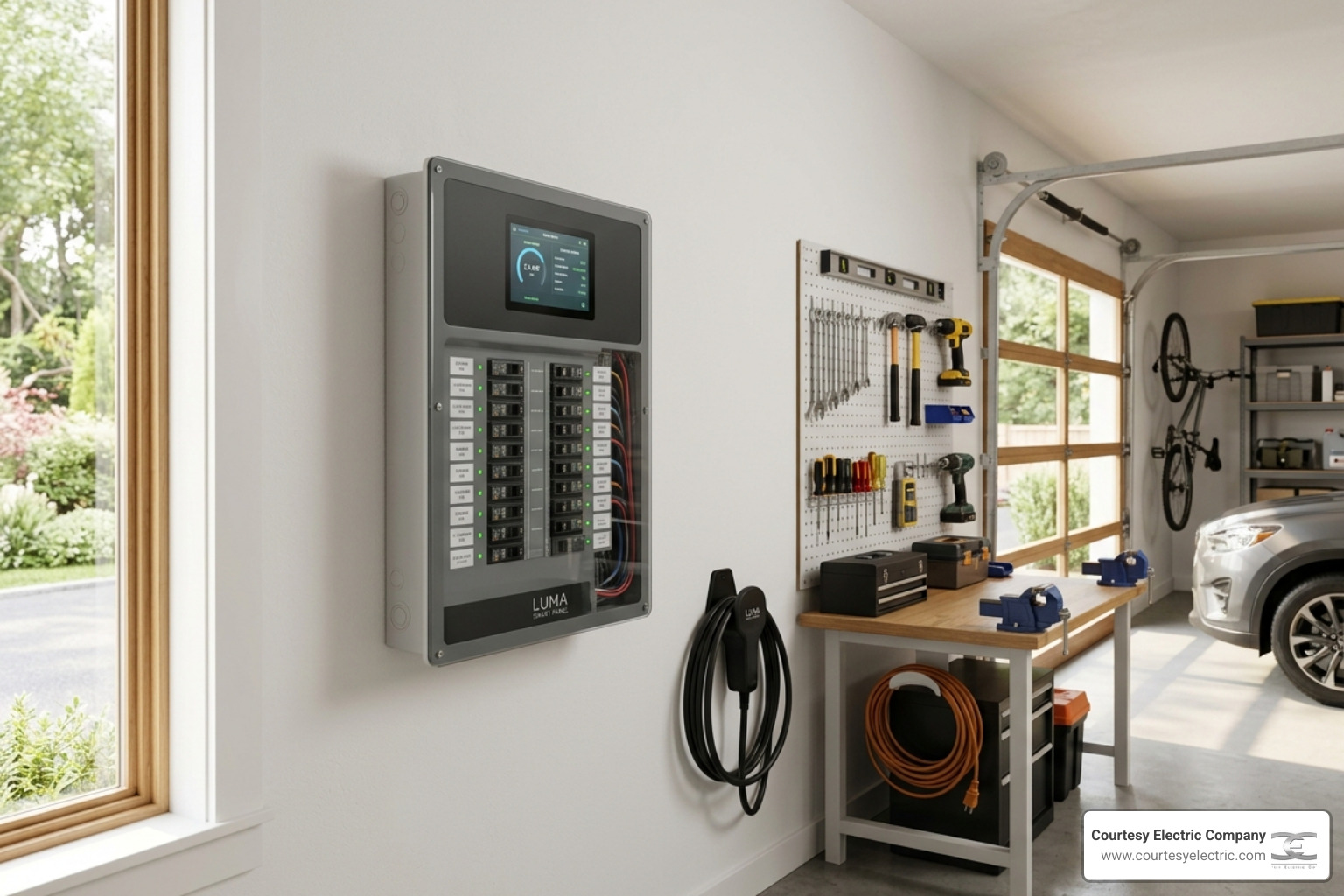
While the aPower 2 stores the energy, the aGate is the "brain" that manages it. The aGate is an intelligent energy management hub that sits between your solar panels, the utility grid, your home’s main electrical panel, and your battery.
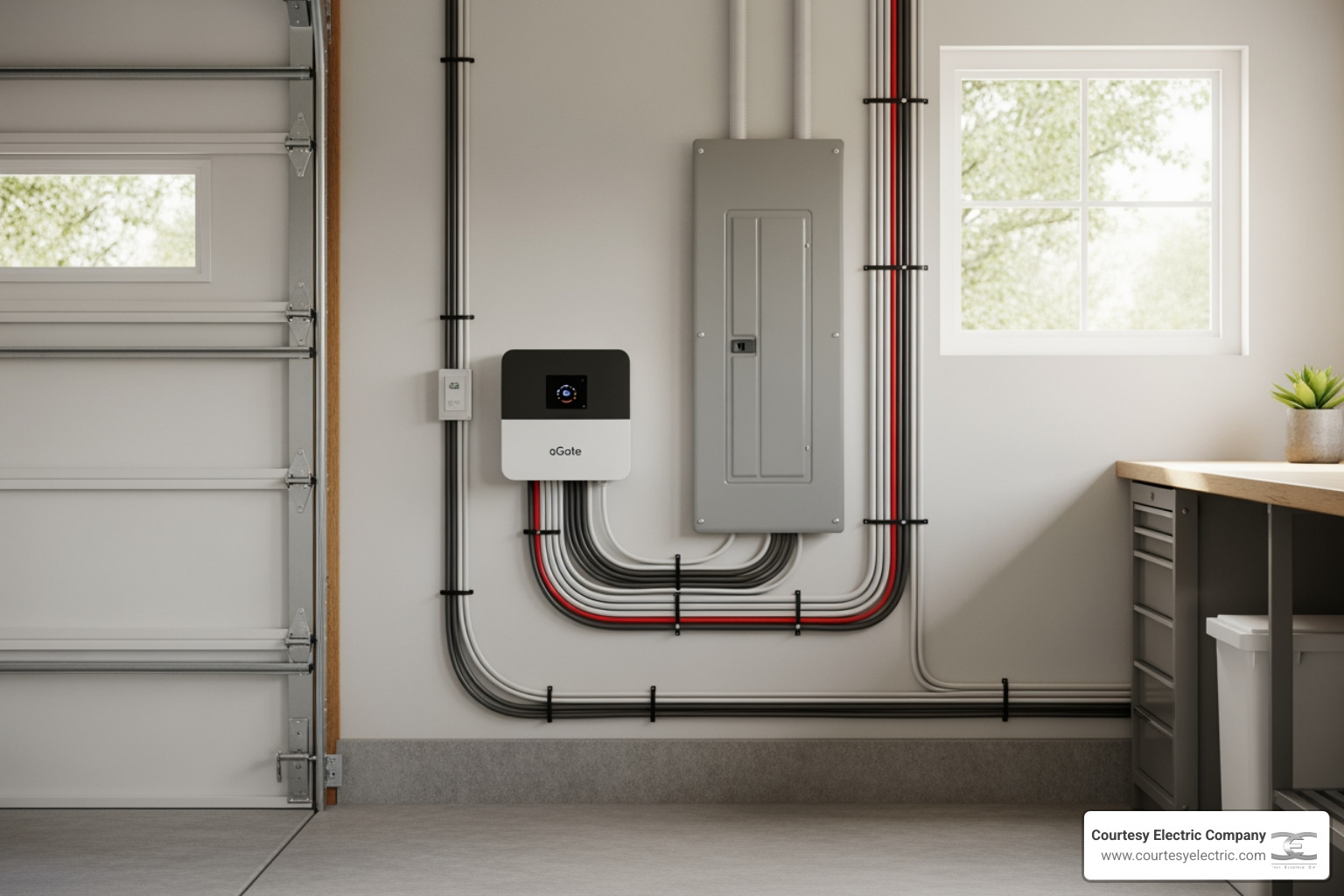
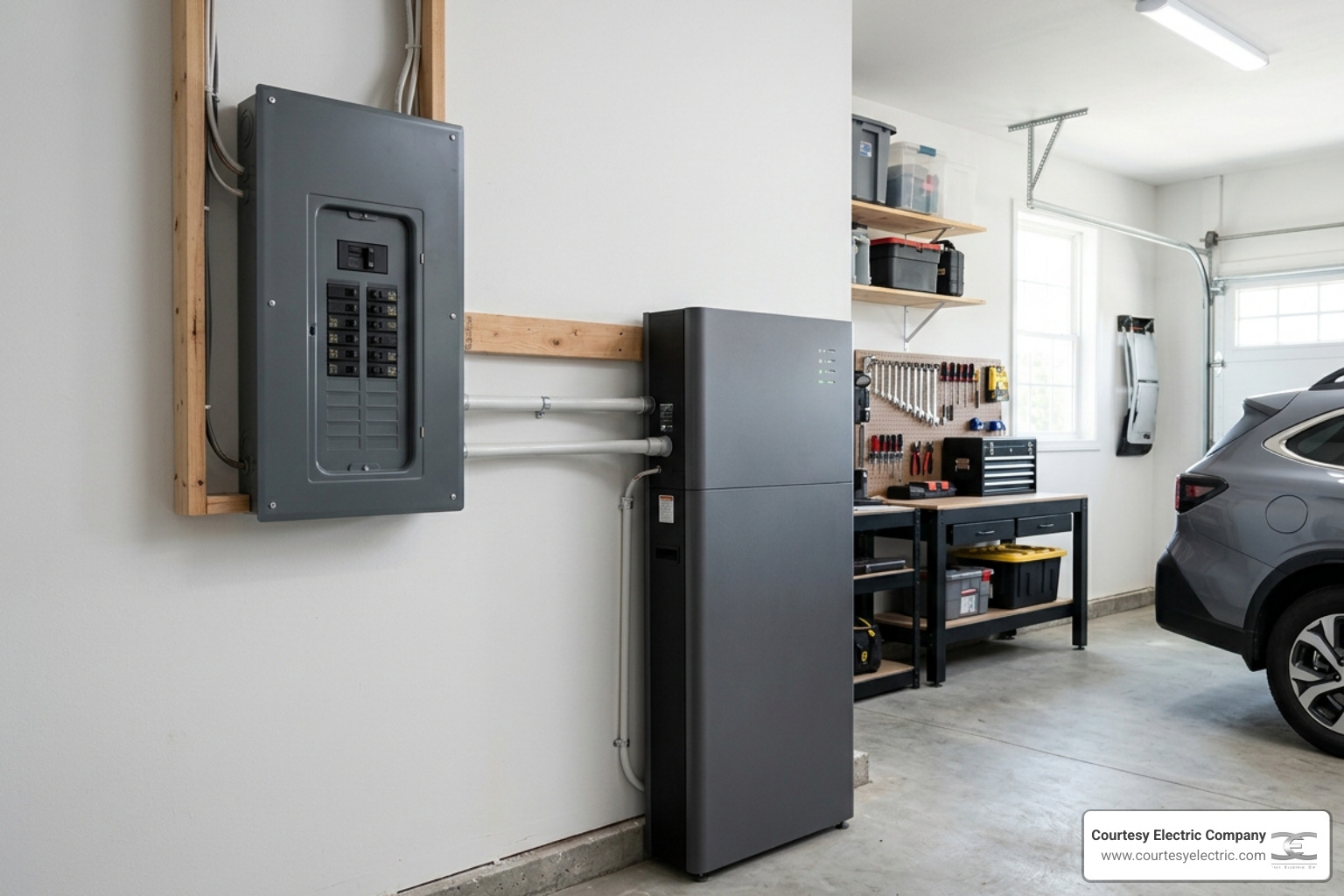
The aGate energy management hub installed next to an electrical panel in a clean garage setting

The aGate is responsible for the incredibly fast outage detection. When the grid goes down, the aGate detects the failure and disconnects your home from the grid in under 20 milliseconds. To put that in perspective, a blink of an eye takes about 100 to 400 milliseconds. This transition is so seamless that most digital clocks won't even reset, and your computers will stay running without interruption.

Smart Operating Modes and Franklin Battery Storage Benefits Explained

One of the most significant franklin battery storage benefits explained to our customers is the ability to choose how the system uses energy. Through the FranklinWH app, you can select between several smart operating modes:

  1. Self-Consumption: The system prioritizes using your solar energy to power your home and charge the battery. Only when the battery is full and the home's needs are met does it export power to the grid. This is perfect for maximizing your solar investment.
  2. Time-of-Use (TOU): If your utility company charges more for electricity during "peak" hours (like 4 PM to 9 PM), the aGate will automatically switch your home to battery power during those expensive times and recharge when rates are low.
  3. Emergency Backup: This mode keeps the battery at 100% charge at all times, reserved strictly for outages.
  4. Storm Mode: The system monitors National Weather Service alerts. If a severe storm is approaching Denver or the Front Range, the aGate will automatically fully charge the battery from the grid to ensure you are prepared for a potential blackout.

Homeowners in mountain communities often find these modes essential. You can learn more about managing these settings in our Winter Park CO Battery Storage Guide.

Seamless Integration with Existing Solar

A common concern we hear at Courtesy Electric is: "I already have solar panels; do I have to replace my inverter to add a battery?" With FranklinWH, the answer is a resounding no.

The aGate acts as a "universal translator." Because it is an AC-coupled system, it is inverter-agnostic. It works seamlessly with Enphase microinverters, SolarEdge, SMA, Fronius, and even older legacy systems. This makes it the premier choice for retrofit installations. If you’re planning an upgrade, our Battery Storage Installation Guide Centennial CO walks through the process of adding storage to an existing array.

Durability and Performance in the Colorado Climate

Colorado is famous for its "wait five minutes and the weather will change" environment. From the scorching summer sun in Parker to the sub-zero winter nights in the Black Forest, your battery needs to be tough.

The FranklinWH aPower 2 is built with an IP67 weatherproofing rating. This means it is completely dust-tight and can even withstand immersion in water up to one meter deep for 30 minutes. While we hope your garage or exterior wall never floods, that level of protection ensures that melting snow and heavy rain aren't a threat.

The temperature range is equally impressive, operating reliably from -4°F to 131°F. To maintain performance in our cold winters, the system features an active heating system that keeps the cells at an optimal temperature even when the outside air is freezing. In the summer, it uses natural cooling technology (no noisy fans) to dissipate heat. Proper care is still important, however, and we recommend checking out our tips on Battery Storage Maintenance in Winter Park CO.

Long-Term Reliability and Warranty Standards

When you invest in home infrastructure, you want to know it will last. Most batteries in the industry come with a 10-year warranty. FranklinWH goes further, offering a 15-year warranty that covers up to 60 MWh of energy throughput.

This longevity is a result of the LFP chemistry and the automotive-grade construction. Because LFP cells can handle thousands of charge cycles without significant degradation, you can expect the system to be a part of your home for the long haul. For residents in the Front Range looking for long-term peace of mind, we’ve detailed these expectations in our Battery Storage Maintenance Guide Granby CO.

Scalability for Growing Energy Needs

Your energy needs today might not be the same as your needs in five years. Maybe you plan on adding an electric vehicle, or perhaps you’re finishing a basement that will add to your electrical load.

The FranklinWH system is incredibly scalable. You can start with a single 15 kWh aPower 2 unit and add more as needed. A single aGate can manage up to 15 battery units, providing a staggering 225 kWh of total storage. This modular approach allows you to build the system that fits your lifestyle and budget. If you're looking for tips on how to plan for future expansion, our Battery Storage Installation Fraser CO Tips is a great resource.

Franklin Battery Storage Benefits Explained: Why It’s the Top Choice for 2026

As we move through 2026, the FranklinWH system has established itself as a leader in the residential market. It offers a combination of power, capacity, and flexibility that is hard to beat.

Feature FranklinWH aPower 2 Typical Industry Standard
Usable Capacity 15 kWh 10 - 13.5 kWh
Continuous Power 10 kW 5 - 7 kW
Warranty 15 Years 10 Years
Chemistry LFP (Safer/Longer Life) Variable (often NMC)
A/C Support Up to 5-ton units Often requires multiple units

Beyond the specs, the real franklin battery storage benefits explained are about energy freedom. With the FranklinWH mobile app, you have total visibility into your home's energy production and consumption. You can see exactly how much solar you are generating, how much you are using, and how much is stored for later.

Automotive-Grade Engineering and Reliability

One of the reasons we trust FranklinWH at Courtesy Electric is their commitment to high-level engineering. They use Flexible Printed Circuits (FPC) for internal wiring, which are far more durable than traditional wire harnesses and can last up to ten times longer.

The system also uses a hybrid active and passive cell balancing system. This ensures that every cell in the battery is working at its peak efficiency and aging at the same rate. The internal structure is even designed to resist up to 100 kN of force, protecting the cells from physical impact or the natural expansion that occurs in batteries over years of use. This "PPB-level" (parts per billion) reliability is the same standard used for critical components in high-end electric vehicles.

Environmental Protection and Coastal Readiness

Even though we are landlocked in Colorado, the "coastal readiness" of the FranklinWH system speaks to its overall quality. It carries a C5 corrosion rating, which is the highest level of protection against salt and moisture. The three-coat, three-bake automotive painting process ensures the exterior won't crack or fade under the intense UV rays we get at high altitudes in the Front Range. It is a "set it and forget it" system that looks as good as it performs.

Frequently Asked Questions about FranklinWH

Can the FranklinWH system power my central air conditioner during an outage?

Yes. Thanks to its 10 kW continuous output and 15 kW peak surge capability, a single aPower 2 unit can start and run most 5-ton central air conditioners. For very large homes with multiple A/C units, we can easily scale the system by adding a second battery to ensure your entire cooling system stays online.

Is the aPower 2 compatible with my current solar panels?

Absolutely. Because the system is AC-coupled, it doesn't care what brand of solar panels or inverters you have. It works with Enphase, SolarEdge, SMA, and many others. It is one of the easiest systems to "retrofit" onto an existing solar array without needing to rewire your entire solar setup.

How does the system handle extreme Colorado winter temperatures?

The FranklinWH system is designed for climates exactly like ours. It features an internal active heating system that automatically warms the battery cells when temperatures drop. This allows the battery to charge and discharge reliably even when it's -4°F outside. This is a critical feature for homeowners in places like Parker or the Black Forest, where winter nights can be brutal.

Conclusion

The transition to a more resilient, independent home doesn't have to be complicated. When you look at the franklin battery storage benefits explained — from the massive 10 kW output to the industry-leading 15-year warranty — it’s clear why this is our preferred recommendation for homeowners across the Denver Front Range.

At Courtesy Electric Company, we’ve spent decades helping Colorado families navigate the changing landscape of home technology. Whether you are looking for whole-home backup to survive the next big snowstorm or you want to maximize your solar savings by avoiding peak utility rates, the FranklinWH system is a powerful tool to achieve those goals.

If you are ready to explore how battery storage can work for your specific home, we are here to help. We provide expert installation and service across the entire Front Range, including Denver, Parker, Highlands Ranch, and the Black Forest. As one of the Best Local Battery Storage Companies Granby CO and a leader in Residential Electrical Services, we pride ourselves on quality, integrity, and dependability.

Contact us today for a free estimate, and let's build a more resilient future for your home together.
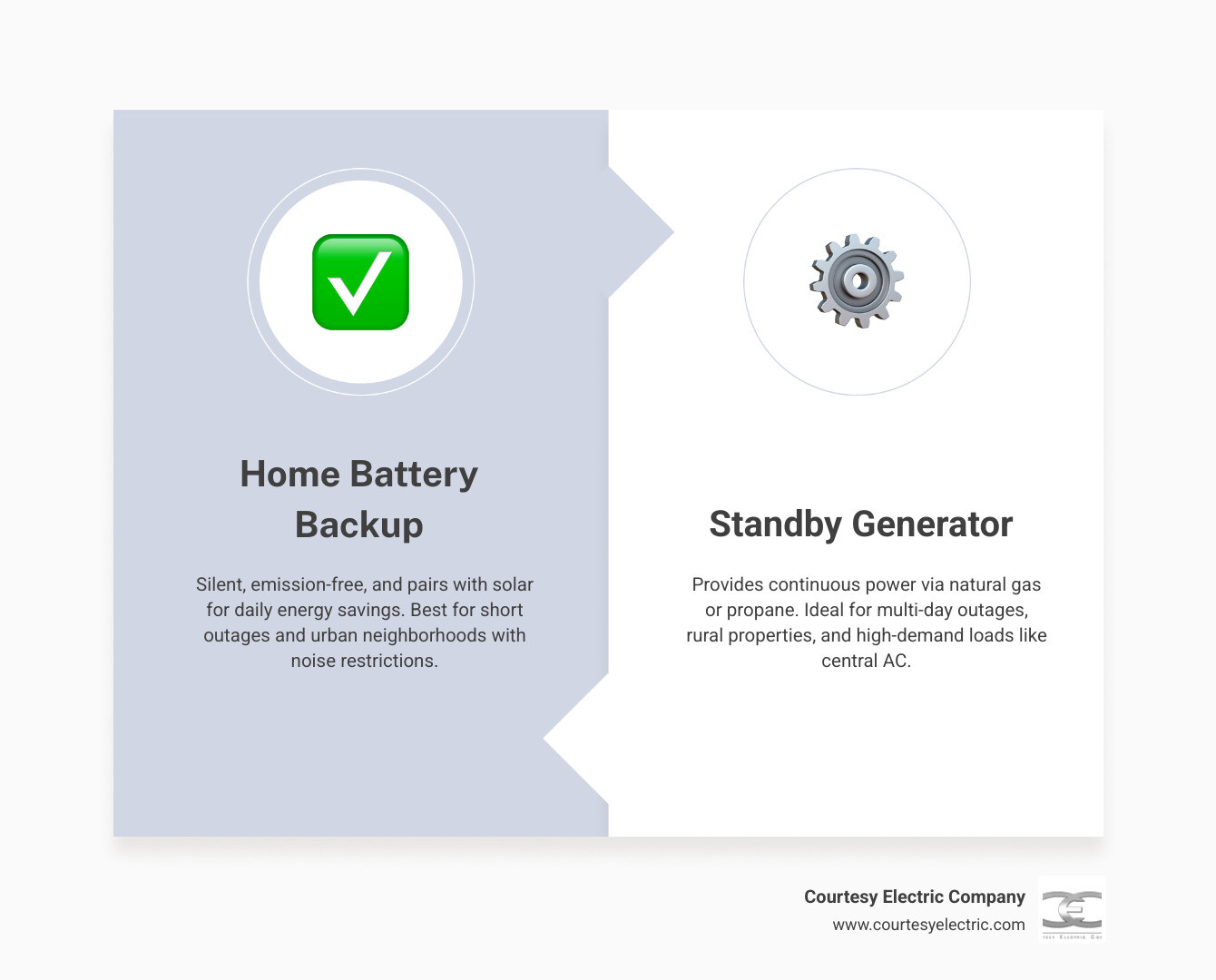
Power Play: Choosing Between Batteries and Generators for Your Home

Is a Generator or Battery Better for Power Outages? Here's What Denver Homeowners Need to Know

generator or battery for power outages - is a generator or battery better for power outages

Is a generator or battery better for power outages depends on three key factors: how long your outages last, how much power you need, and whether you want everyday energy benefits beyond emergency backup.

Quick Answer:

Your Situation Best Choice
Short outages (under 12 hours) Battery backup
Multi-day outages with heavy loads Standby generator
Solar panels already installed Battery backup
Rural property with well pump or central AC Standby generator
Noise restrictions or urban neighborhood Battery backup
Frequent outages + daily energy savings Battery + solar
Long outages without solar access Standby generator

Power outages across the U.S. are getting worse — not just more frequent, but longer. From 2023 to 2024, outage durations grew by 38%. In 2024 alone, NOAA recorded 27 separate weather disasters each causing over $1 billion in damage. Here in Colorado, winter storms, wildfires, and aging grid infrastructure mean Front Range homeowners face a real and growing risk of being left in the dark — sometimes for days at a time.

When that happens, you have two main options: a home battery backup system or a standby generator. Both will keep your lights on and your refrigerator running. But they work very differently, cost differently over time, and suit different types of homeowners.

This guide breaks down exactly how each system works, what it costs, and which one makes the most sense for your home and your situation — so you can make a confident, informed decision.

I'm David Meyer, Vice President of Courtesy Electric Company, a Colorado electrical contractor with roots going back to 1976 — and answering the question of is a generator or battery better for power outages is something I help Denver-area homeowners navigate every day. Let's walk through everything you need to know.

infographic comparing home battery backup vs standby generator: runtime, cost, noise, maintenance, solar compatibility - is

Understanding Home Backup Systems in 2026

modern residential electrical panel in a clean garage setting - is a generator or battery better for power outages

As we move through 2026, the American power grid is showing its age. Much of our national infrastructure dates back to the 1960s and 70s, making it increasingly vulnerable to the "billion-dollar disasters" that are now becoming common. In 2024, the U.S. saw a record 27 disasters, from hurricanes to winter storms, that caused massive economic disruption. For us in the Denver area, these aren't just statistics; they are the heavy snowfalls and high-wind events that knock out transformers and leave neighborhoods in the dark.

When considering is a generator or battery better for power outages, it is important to understand that the goal has shifted from simple convenience to true energy security. Modern homes are more "electric" than ever, with many residents relying on stable power for medical devices, home offices, and even EV charging. Preparing your home requires more than just a flashlight; it requires a proactive approach to Spring Electrical Safety and Storm Preparation to ensure your family remains safe when the grid fails.

Deciding if a generator or battery better for power outages during long-term grid failure

The choice often hinges on how long you expect the lights to be out. If you live in an urban part of Denver where the utility company usually restores power within a few hours, a battery system is often the winner. However, if you are in a more remote part of the Front Range where restoration timelines can stretch into days or weeks, a generator’s ability to run indefinitely (as long as it has fuel) becomes a critical advantage.

The Benefits of Home Battery Backup Systems

Home battery systems, such as the Franklin battery storage units we install, represent the cutting edge of energy management. These systems store electricity from the grid or solar panels and discharge it the moment a blackout is detected. Because they use Lithium Iron Phosphate (LFP) technology, they are safe, long-lasting, and operate in total silence.

One of the biggest advantages of a battery is the "seamless" experience. While a generator takes 10 to 30 seconds to kick on, a battery transfers power in under 20 milliseconds. Your clocks won't even blink, and your Wi-Fi won't reset. For many, this silent reliability makes the battery the "future" of home energy. You can learn more about how these systems integrate into local homes in our Battery Storage Guide Centennial CO.

Is a generator or battery better for power outages when prioritizing daily energy savings?

Batteries provide value 365 days a year, not just during emergencies. This is where they truly outshine generators. Through "Time-of-Use" (TOU) arbitrage, a battery can charge when electricity is cheap (usually late at night) and discharge to power your home when rates are high (typically 4 PM to 9 PM).

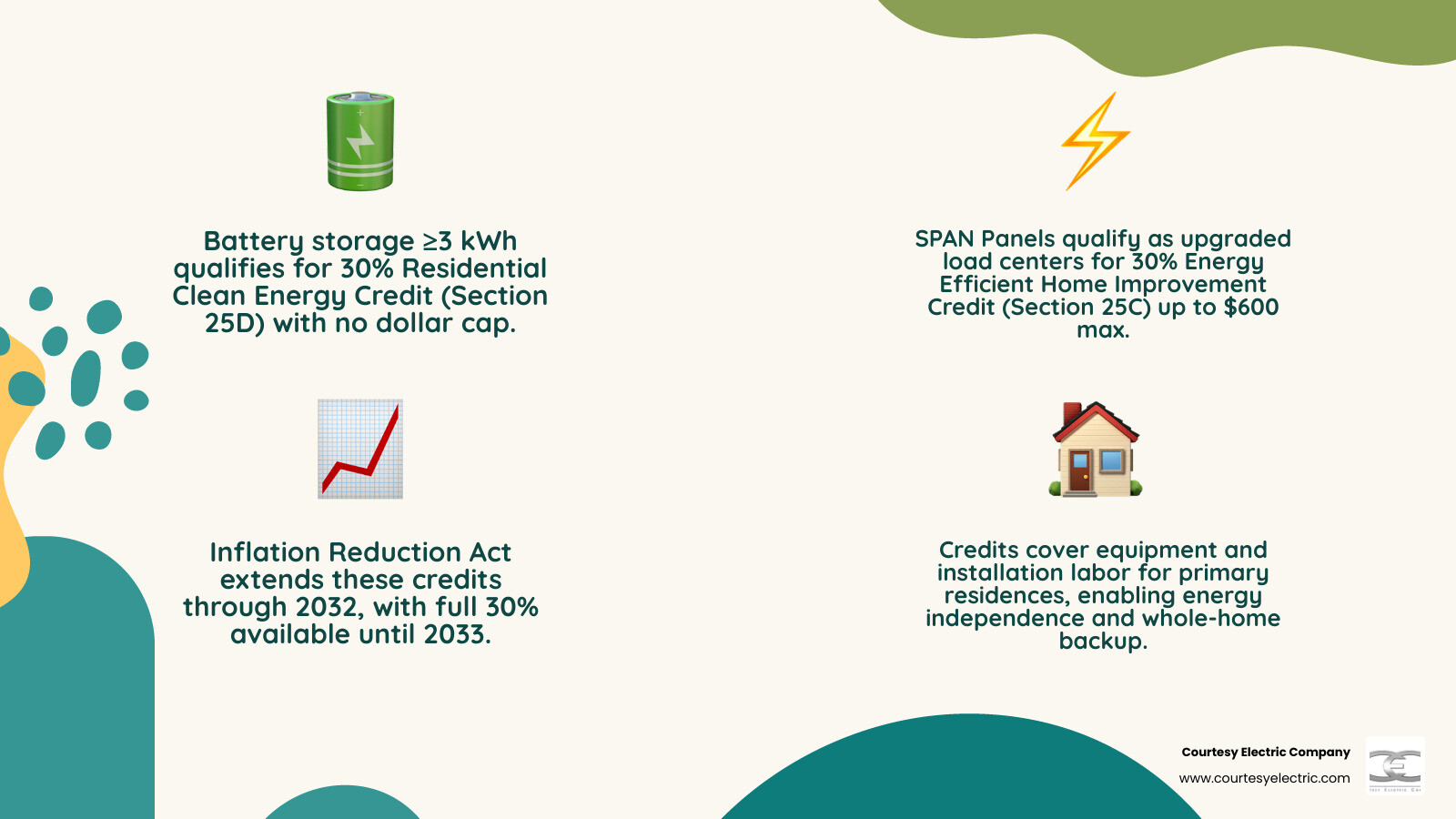
By "peak shaving" in this way, homeowners can see significant reductions in their monthly utility bills. Furthermore, the federal government currently offers a 30% tax credit for residential battery systems through 2032, making the long-term financial picture much more attractive.

Why Homeowners Choose Standby Generators

Despite the rise of battery tech, the traditional standby generator remains the heavyweight champion for long-duration outages. These units are permanently installed outside your home and connected directly to your natural gas or liquid propane line. When the power goes out, the internal combustion engine starts up automatically.

The primary reason to choose a generator is "unlimited" runtime. While a battery is limited by its stored kilowatt-hours, a generator will keep running as long as the natural gas is flowing. To understand the mechanics behind this reliability, you can read about How Does a Standby Generator Work.

Comparing performance for high-demand appliances

If you need to run a central AC unit, a well pump, or an electric oven during a multi-day outage, a generator is often the more practical choice. High-demand appliances require a massive "surge" of power to start up. Generators, especially those equipped with G-Force engines like the Generac and Cummins models we provide, are specifically designed to handle these heavy loads. For many, the Whole-Home Generator Benefits for Colorado Homeowners make it the go-to solution for total peace of mind.

Is a generator or battery better for power outages in Denver?

In the Colorado Front Range, our climate plays a huge role in this decision. High altitude can affect engine efficiency, and our sub-zero winter temperatures can be hard on both batteries and engines.

Feature Standby Generator Home Battery (e.g., Franklin)
Runtime Unlimited (w/ fuel) 8–12 hours (w/o solar)
Noise Level 65–75 dB (like a lawnmower) Silent
Maintenance Annual oil/filter changes Minimal
Emissions Carbon Monoxide/CO2 Zero
Transfer Time 10–30 seconds < 20 milliseconds
Lifespan 20–30 years 10–15 years

When planning your setup, knowing Generator Installation What to Expect can help you prepare your property for the necessary concrete pads and gas lines.

Maintenance and longevity in the Front Range

Generators require regular "exercise" to keep their seals lubricated and engines ready. In Denver winters, we often recommend battery warmers and crankcase heaters to ensure the unit starts in the middle of a blizzard. On the other hand, batteries are low-maintenance but do have a shorter overall lifespan (typically 10–15 years) compared to a well-maintained generator which can last up to 30 years.

Maximizing Resilience with Solar and Smart Panels

The real "magic" happens when you pair these systems with modern smart home technology. We specialize in installing SPAN smart panels, which allow you to see exactly where your energy is going in real-time. During an outage, a smart panel can automatically "shed" non-essential loads (like your dishwasher or dryer) to prioritize your refrigerator and medical equipment, significantly extending your battery life.

If you have solar panels, a battery becomes even more powerful through "grid islanding." This allows your solar panels to keep charging your battery even when the utility grid is down. For a deep dive into this setup, check out our Battery Storage Fraser CO Complete Guide.

The hybrid approach for total independence

For homeowners who want the absolute best of both worlds, a hybrid approach is the ultimate solution. In this scenario, a battery handles short "flickers" and provides daily energy savings, while a standby generator sits in reserve for the massive multi-day storms. This combination offers seamless power transfer, unlimited runtime, and the highest level of energy independence available in 2026.

Frequently Asked Questions about Home Backup Power

Can a battery backup power my entire home?

It depends on the capacity. A single 13.5 kWh battery is typically designed to power "critical loads" like your fridge, lights, and Wi-Fi. To power a whole home, including central AC and heavy appliances, you would likely need multiple battery units or a smart panel to manage the load.

How long can a standby generator run continuously?

A standby generator can run for days or even weeks, provided it has a continuous fuel supply. However, most manufacturers recommend a short cool-down period every 24 hours to check oil levels and ensure the engine isn't overstressed during extended use.

Are there tax credits available for backup systems?

Yes! The Residential Clean Energy Credit allows you to claim 30% of the cost of a battery backup system (3 kWh or larger) on your federal taxes. Currently, standby generators do not qualify for this specific federal tax credit, though they remain a highly valued investment for home resale value.

Conclusion

Choosing whether a is a generator or battery better for power outages isn't about finding a "perfect" system, but finding the one that fits your lifestyle and your home's specific needs. Whether you want the silent, eco-friendly efficiency of a Franklin battery or the raw, dependable power of a Generac or Cummins generator, our team at Courtesy Electric Company is here to help.

We’ve been serving the Denver and Colorado Front Range areas for decades, providing quality Electrical Service with integrity and dependability. From Parker to Highlands Ranch and up through the Black Forest, we are your local experts in energy resilience.

Ready to protect your home? Contact us today for a free estimate on your backup power installation. We’ll help you design a system that keeps your family safe, comfortable, and powered up—no matter what the Colorado weather throws your way.

A Comprehensive Guide to Generator Brand Comparison

How to Make the Right Generator Brand Comparison for Homeowners

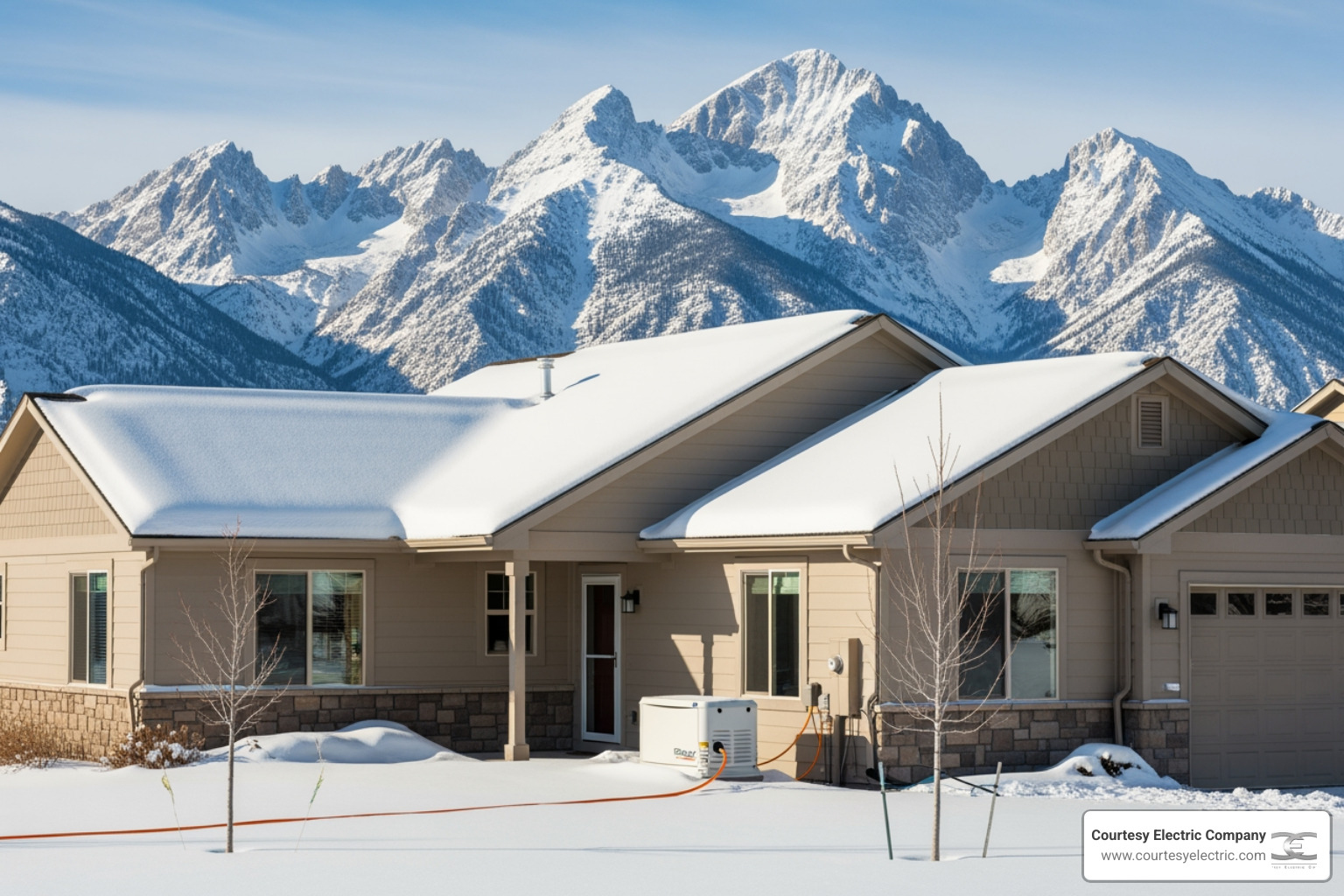
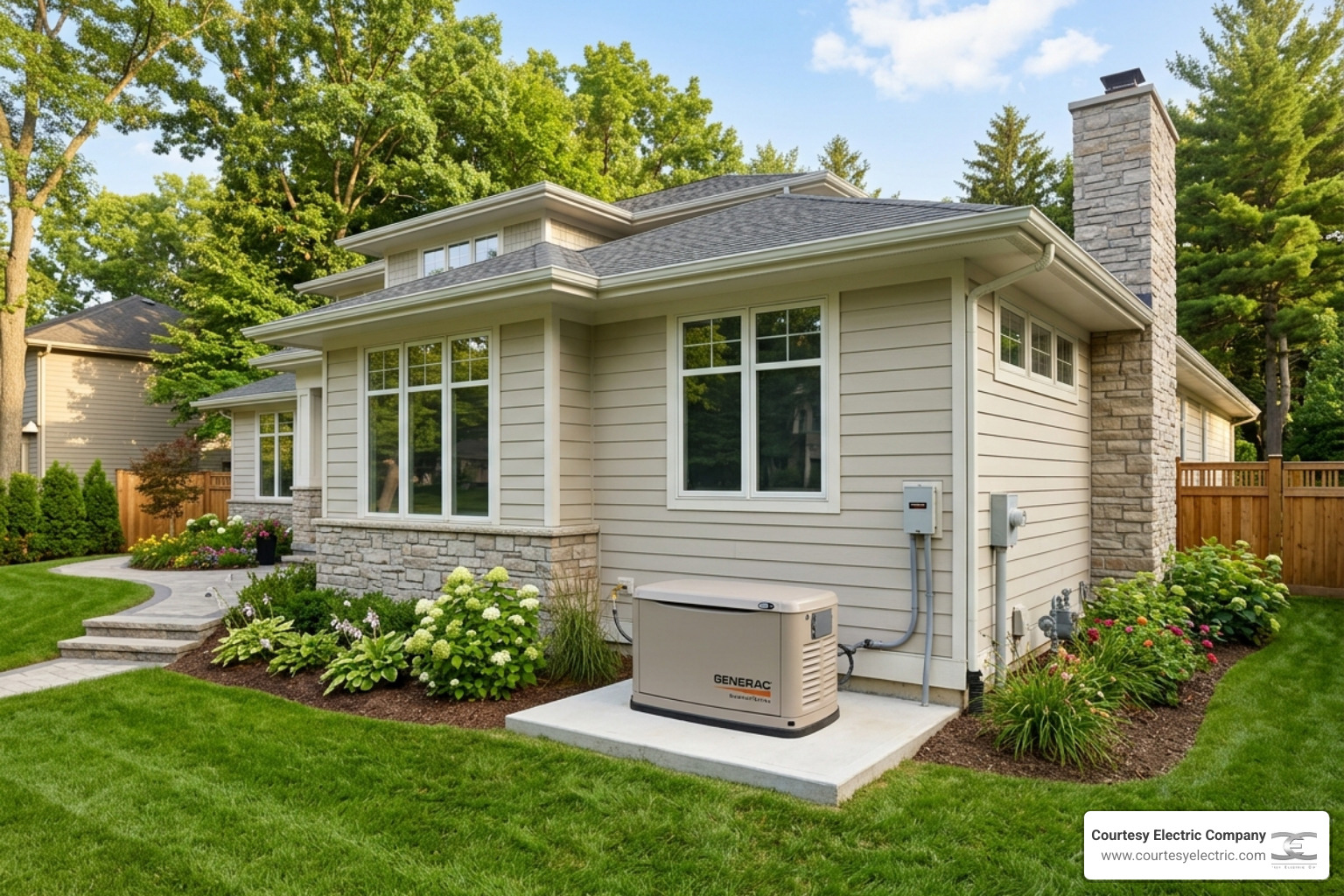
home standby generator installation beside a house in Colorado

When it comes to a generator brand comparison for homeowners, the right choice depends on your home size, how often your power goes out, and whether you want automatic whole-home backup or a simpler portable solution. Here's a quick look at how the leading options stack up:

Brand Best For Generator Type Key Strength
Generac Whole-home standby Standby Largest dealer network, smart monitoring
Cummins Durability-focused buyers Standby Quiet operation, cold-weather performance
Kohler Premium quiet backup Standby Low noise, heavy AC load handling
Champion Budget-conscious buyers Portable/Standby Dual-fuel flexibility, long warranty
Honda Sensitive electronics, portability Inverter Quietest portable (48–57 dB), proven reliability
Briggs & Stratton Value + safety Portable/Standby CO shutoff, strong motor-starting capacity

Power outages in Colorado are not just an inconvenience — they're a real safety concern. From Nor'easters burying the Front Range to summer thunderstorms knocking out grid power for hours, Denver-area homeowners know how vulnerable a home can be without backup power. According to U.S. energy data, Americans experienced an average of 5.5 hours without power in 2022 — and in storm-prone regions, that number climbs much higher.

Choosing the wrong generator — or the wrong brand — can mean the difference between your family staying warm and safe or scrambling in the dark. But with so many brands, fuel types, sizes, and technologies on the market, it's easy to feel overwhelmed before you even get started.

I'm David Meyer, Vice President of Courtesy Electric, a Colorado electrical contractor with roots going back to 1976. Through decades of generator installations across the Denver Front Range — from standby systems to modern battery backup solutions — I've seen every type of home power challenge there is, and I've put together this generator brand comparison for homeowners to cut through the noise and help you make a confident, informed decision.

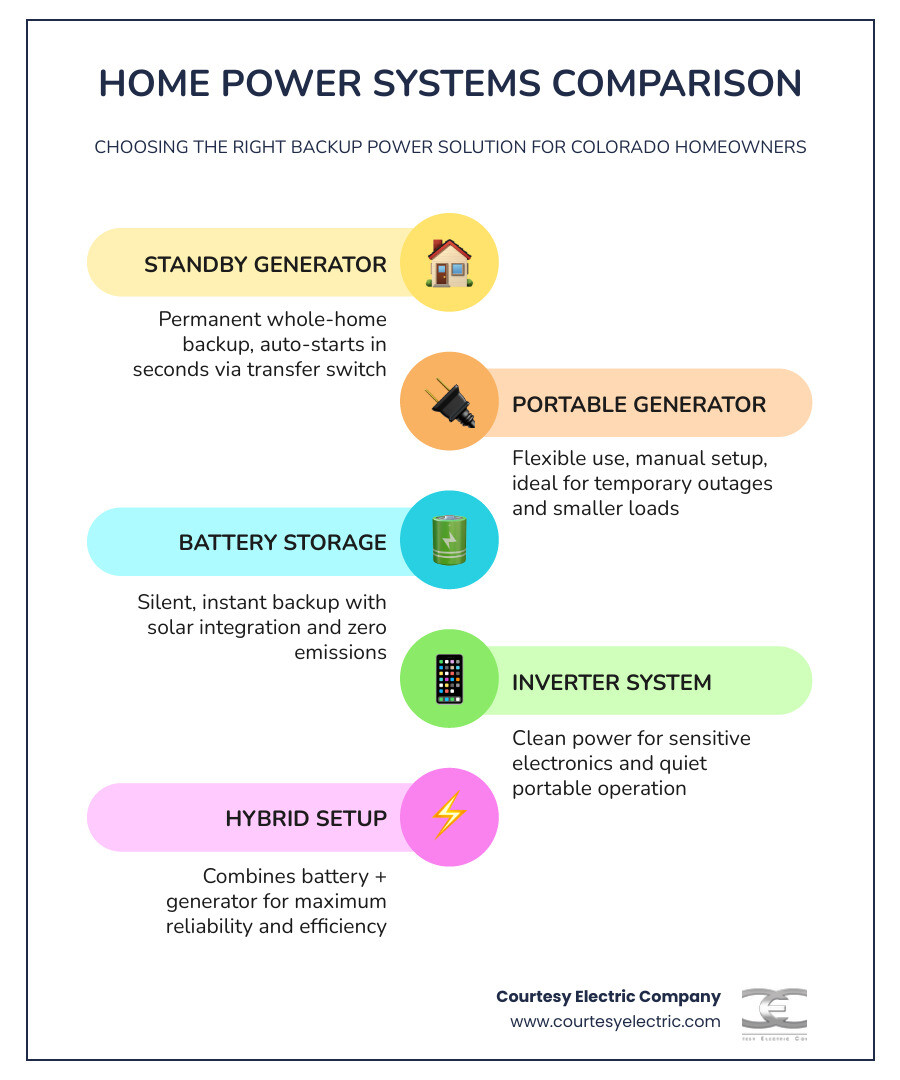
Infographic comparing standby vs portable vs battery generator types for homeowners: power output, auto-start, fuel, noise

Understanding Different Types of Home Power Systems

Before we dive into the brand battle, we need to talk about the "how" of home power. Not every backup system works the same way, and choosing the right category is just as important as choosing the right brand.

Standby Generators

These are the gold standard for Colorado homes. A standby generator is permanently installed outside your home, similar to an air conditioning unit. It connects directly to your home’s electrical panel and is fueled by your existing natural gas or liquid propane lines. The magic happens via an automatic transfer switch (ATS), which detects a power failure and starts the generator within seconds—even if you aren't home. This is the ultimate "set it and forget it" solution.

Battery Storage Systems

As we move further into 2026, many of our neighbors in Highlands Ranch and Parker are looking toward battery storage, such as the Franklin Battery Storage system. Unlike gas-powered units, these are silent and can be installed indoors or in a garage. They pair beautifully with solar panels, storing energy during the day to power your home at night or during an outage. They are maintenance-free and offer a seamless transition to backup power.

Portable and Inverter Generators

If you only need to keep the lights on and the fridge running, a portable unit might be the right fit. Standard portables are often loud and run on gasoline, requiring you to manually drag them out and plug them in. Inverter generators are a "smarter" version of portables; they use inverter technology to provide "clean" power, which is safer for sensitive electronics like your laptop or high-end smart TV.

For a deeper dive into the specifics of local requirements, check out our Generators Fraser Co Complete Guide. If you're curious about the internal mechanics, we’ve also detailed How Does a Standby Generator Work to help demystify the process.

Modern electrical panel with smart home integration and circuit breakers

Key Factors in a Generator Brand Comparison for Homeowners

When we perform a generator brand comparison for homeowners, we look at several technical metrics that impact your daily life.

  • Fuel Types: Natural gas is the most convenient because it never runs out. However, in more rural areas like Black Forest, liquid propane (LP) is common. Some portable brands like Champion and Westinghouse offer dual-fuel or even tri-fuel options, allowing you to switch between gasoline and propane depending on what’s available during a storm.
  • Noise Levels: This is a big one for suburban neighborhoods. Most standby units run between 65 and 69 decibels (dB), which is about the volume of a normal conversation. Honda’s inverter units are legendary for their quietness, often operating as low as 48 dB—quieter than a coffeemaker.
  • Precision Power: Look for "Total Harmonic Distortion" (THD). Standby units from Generac and Cummins typically offer less than 5% THD, which is considered "clean" and safe for the microchips in your modern appliances.

Before the installation begins, it’s helpful to know the logistics. We’ve outlined Generator Installation What to Expect to help you prepare your property.

Sizing Your System Using a Generator Brand Comparison for Homeowners

The most common mistake we see is "under-sizing." A typical American home needs about 5,000 watts just to cover the basics—fridge, some lights, and a sump pump. However, if you want to run your central air conditioning, electric oven, or well pump, you’ll likely need a standby unit in the 14kW to 26kW range.

To get your sizing right, we calculate:

  1. Running Watts: The continuous power needed to keep an appliance going.
  2. Starting (Surge) Watts: The extra "kick" of power needed to start a motor, like the one in your refrigerator or HVAC compressor. These can be 3 to 7 times higher than the running watts!

Safety and Smart Features in a Generator Brand Comparison for Homeowners

Modern generators are smarter than ever. Here are the features we recommend looking for:

  • Automatic Transfer Switch (ATS): Essential for standby units to prevent "backfeeding" into the utility lines, which can be deadly for line workers.
  • CO Shutoff: A life-saving feature on portable units that shuts the engine down if carbon monoxide levels get too high.
  • Mobile Monitoring: Brands like Generac (Mobile Link) and Cummins (Cummins Connect) allow you to check your generator’s status from your phone. You’ll get alerts if the unit needs an oil change or if it successfully started during a storm while you were at work.

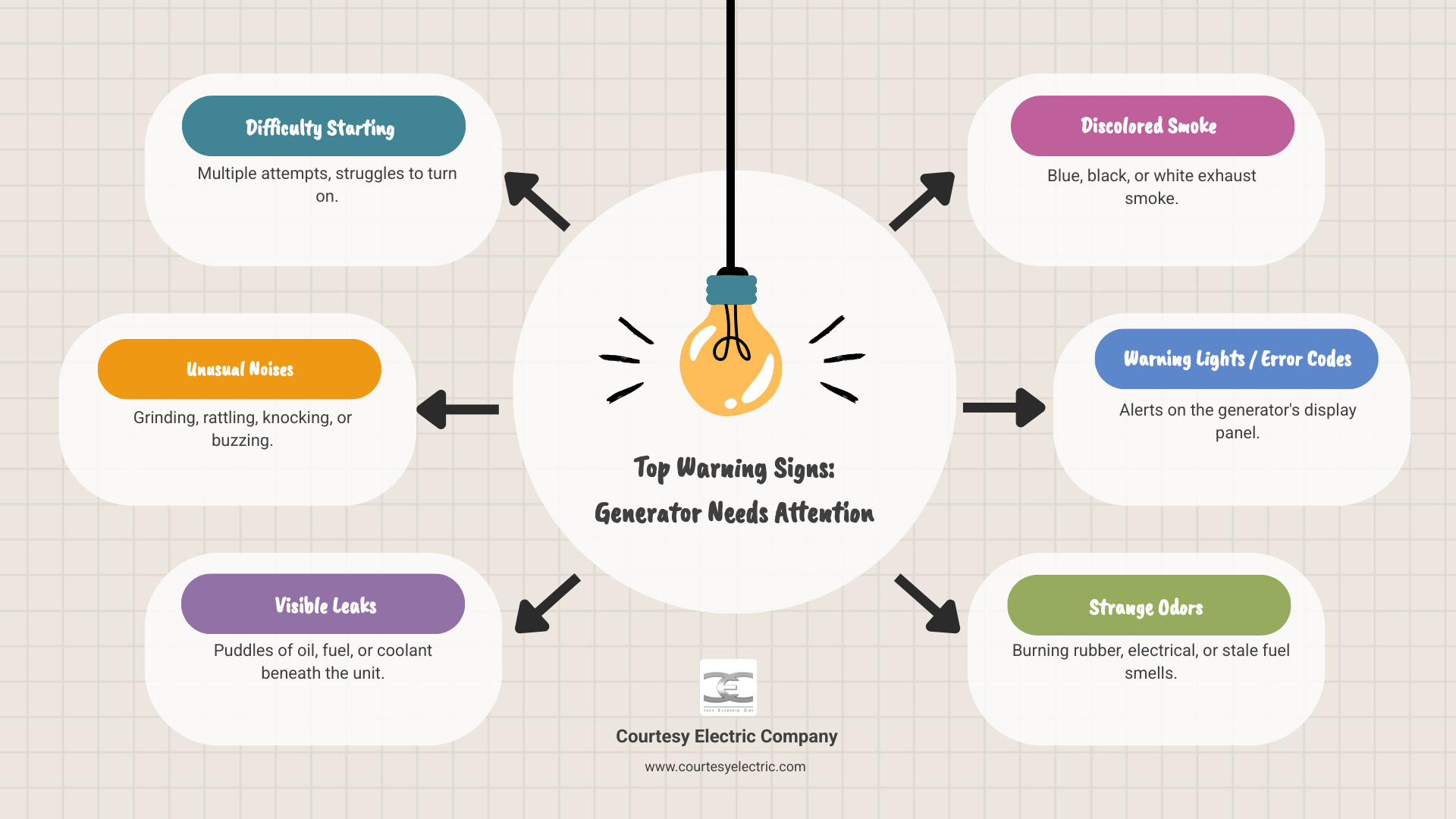
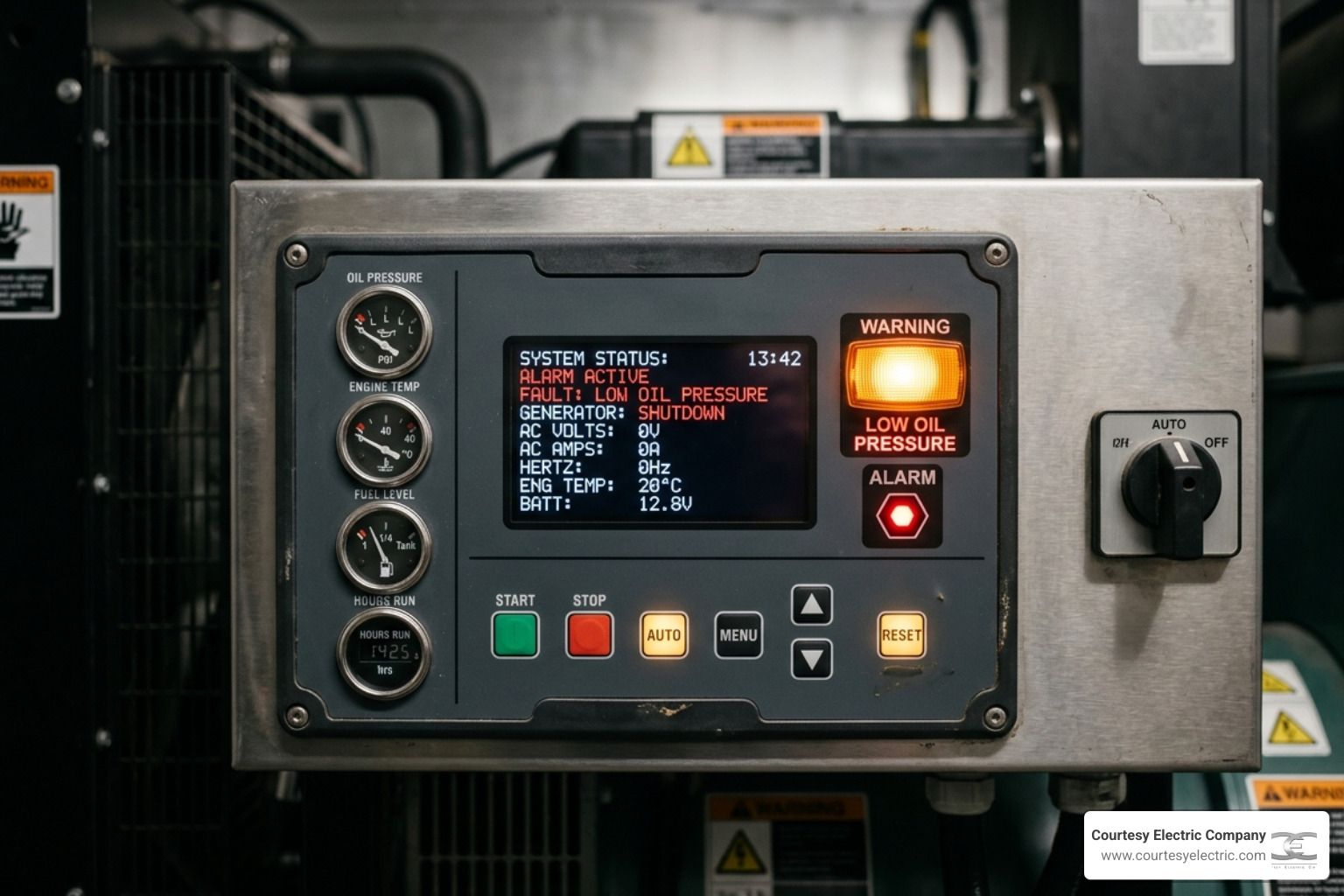
Keeping an eye on these features is part of being a prepared homeowner. If your system isn't acting right, you should be aware of the Signs Your Generator Needs Professional Attention.

Leading Solutions for Colorado Front Range Homes

In the Denver area, we have specific environmental challenges. High altitude can "derate" a generator’s power output, and our freezing winters mean your generator needs to be ready to start in sub-zero temperatures.

Generac: The Market Leader

Generac owns about 70% of the home standby market for a reason. Their Guardian series is incredibly reliable and features a vast service network. If you need a part in Parker or Highlands Ranch, it’s usually available immediately. Their units are also very user-friendly, with intuitive digital controllers.

Cummins: The Heavy-Duty Choice

Cummins is known for commercial-grade durability. Their QuietConnect series is often preferred by homeowners who want the quietest possible standby unit. One major advantage for Colorado is their cold-weather performance; many Cummins units are rated to start at temperatures as low as -40°F.

Modern Alternatives: Franklin and SPAN

For those looking for the "Home of the Future," we often recommend pairing a Franklin Battery Storage system with a SPAN smart panel. SPAN replaces your traditional electrical panel and allows you to control every circuit in your home from an app. During an outage, you can manually turn off the guest bedroom power to save battery life for your refrigerator.

The rewards of these systems are significant. We’ve seen many Whole Home Generator Benefits for Colorado Homeowners, ranging from prevented basement floods to keeping medical equipment running. For those in specific mountain communities, we also specialize in Generators Installation in Fraser Co.

Maintaining Your Power Investment for Longevity

A generator is an engine, just like the one in your car. If it sits for months without attention, it might not start when you need it most. Standby units typically last 20 to 30 years (or about 3,000 to 5,000 hours of runtime) if they are properly maintained.

Our maintenance recommendations include:

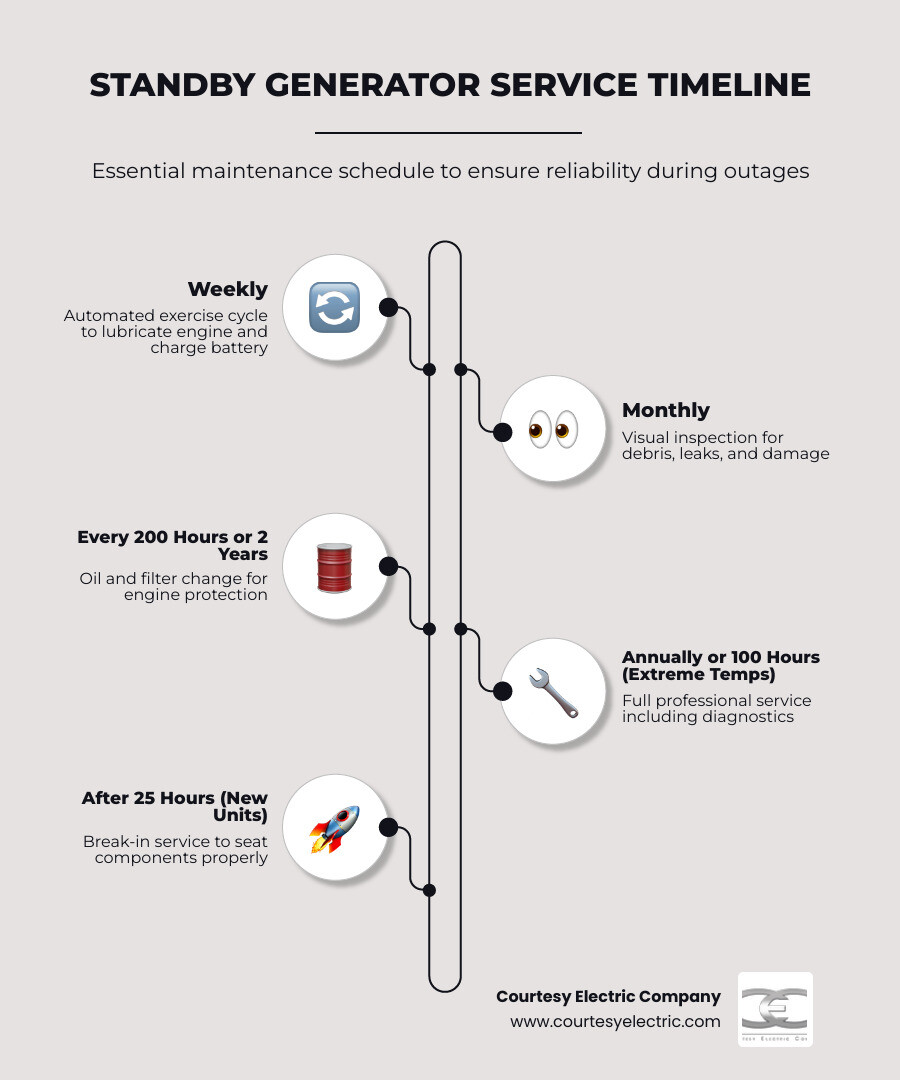
  • Annual Inspections: We check the battery health, spark plugs, and clear out any debris or "critter nests" that might have formed in the enclosure.
  • Oil and Filter Changes: These should happen every 100 to 200 hours of use, or at least once a year.
  • Self-Test Cycles: Most standby units are programmed to run for 5-12 minutes once a week at low speed to keep the parts lubricated.

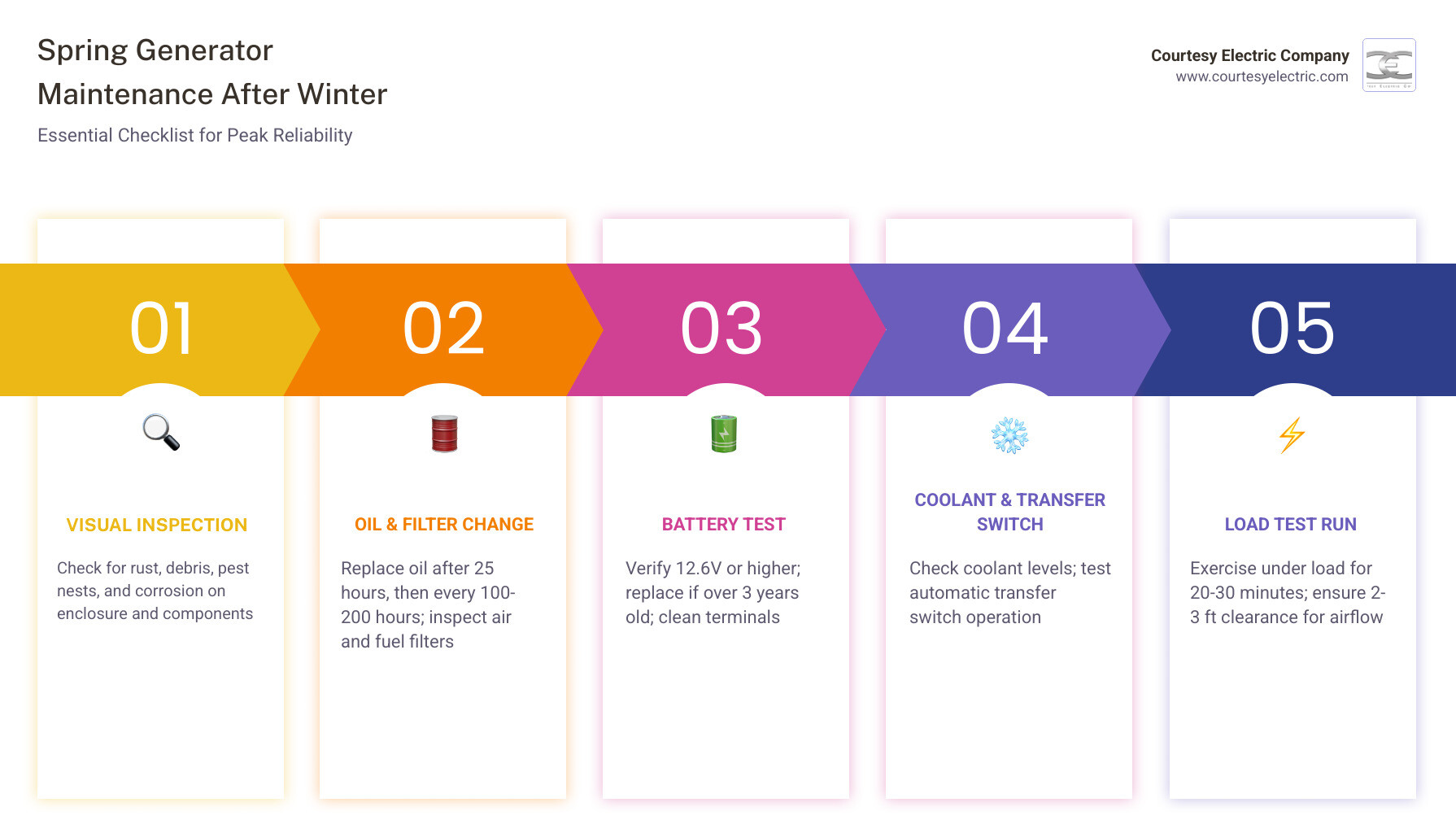
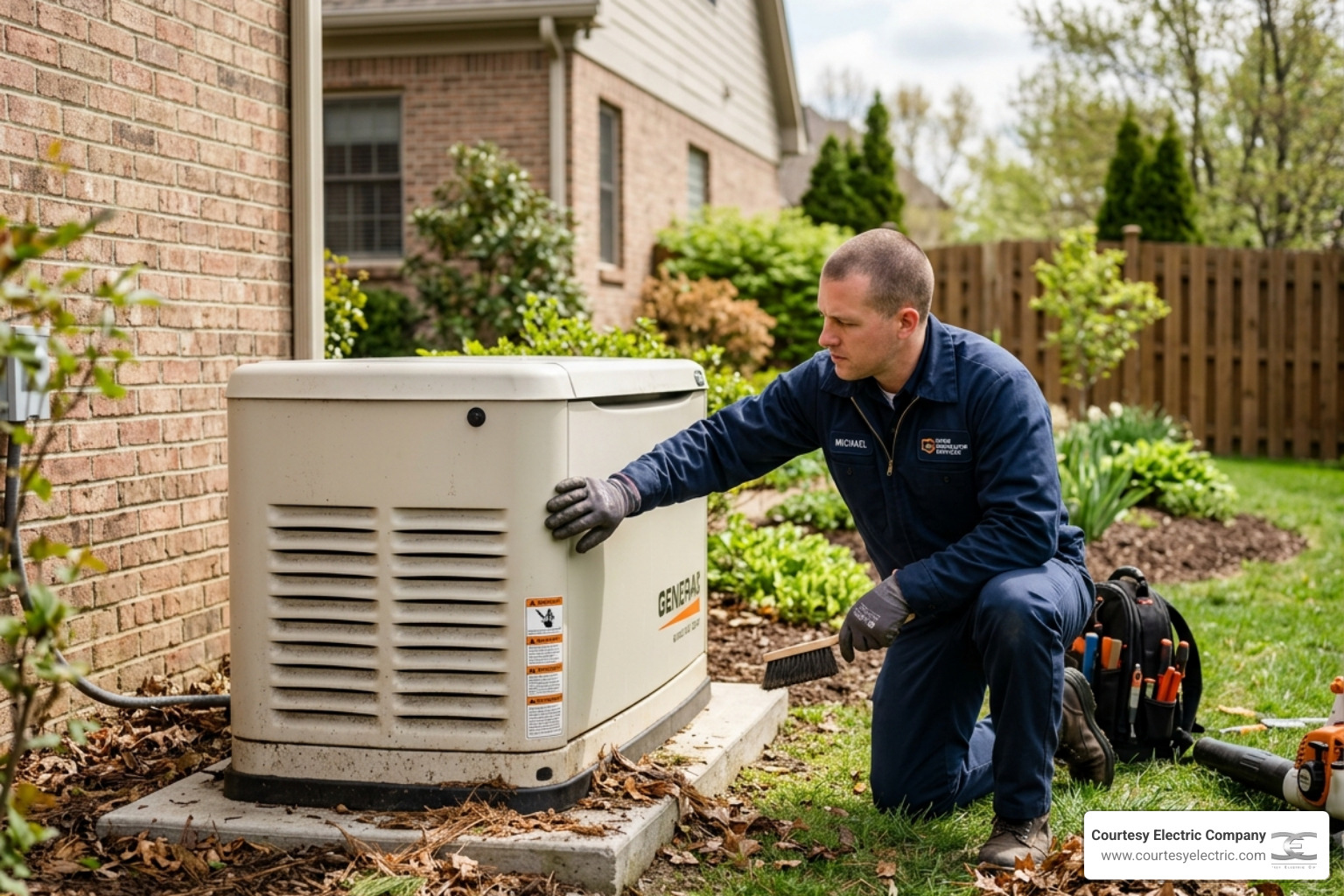
Colorado's climate is tough on machinery. We recommend Generator Maintenance Before Colorado Storm Season to ensure you aren't caught off guard. Knowing How Often Should You Service Your Standby Generator is key, and don't forget Spring Generator Maintenance After Winter to clear out the salt and dust from the snowy months.

Frequently Asked Questions about Home Generators

How do I calculate the right generator size for my home?

We start by making a list of your "must-have" appliances. A refrigerator usually takes about 600-1,200 watts to start, while a sump pump might need 1,500 watts. If you add a window AC (1,000W) or a space heater (1,500W), you quickly reach 5,000 watts. For a whole-home experience, we perform a professional load calculation that accounts for your HVAC’s "Locked Rotor Amps" (LRA) to ensure the generator can handle the massive surge when the AC kicks on. Finding the Best Generators Services in Fraser Co can help you get this calculation right.

Do I need a transfer switch or an interlock kit?

Yes, you absolutely need one or the other. An Automatic Transfer Switch (ATS) is used with standby generators to switch power automatically. A Manual Interlock Kit is a more affordable option for portable generators; it’s a mechanical device installed on your panel that ensures you can’t turn on the generator breaker while the main utility breaker is still on. Both are required by code in Colorado to prevent dangerous backfeeding.

How often should my standby generator be serviced?

At a minimum, you should have a professional service once a year. However, if we have a particularly bad storm season where the generator runs for several days straight, you may need an oil change sooner. Following Generator Maintenance Tips for Homeowners and understanding How Proper Maintenance Extends Generator Life will protect your investment for decades.

Conclusion

Making a generator brand comparison for homeowners doesn't have to be a solo mission. Whether you are leaning toward the tried-and-true reliability of a Generac standby unit, the quiet power of a Cummins, or the cutting-edge technology of Franklin battery storage and SPAN panels, the most important factor is a safe, professional installation.

At Courtesy Electric Company, we’ve been serving the Denver Front Range for nearly 50 years. We pride ourselves on integrity, dependability, and high-quality workmanship. We don't just sell you a piece of equipment; we design a backup solution that fits your specific lifestyle and home needs.

If you're ready to protect your home from the next Colorado storm, we’re here to help. For More info about electrical services or to schedule your free estimate, reach out to our team today. Let’s make sure the next time the grid goes down, your home stays bright and warm.

Everything You Need to Know Before Installing an EV Charger

Understanding EV Charger Levels and Compatibility

ev charger installation at home - ev charger installation guide for homeowners

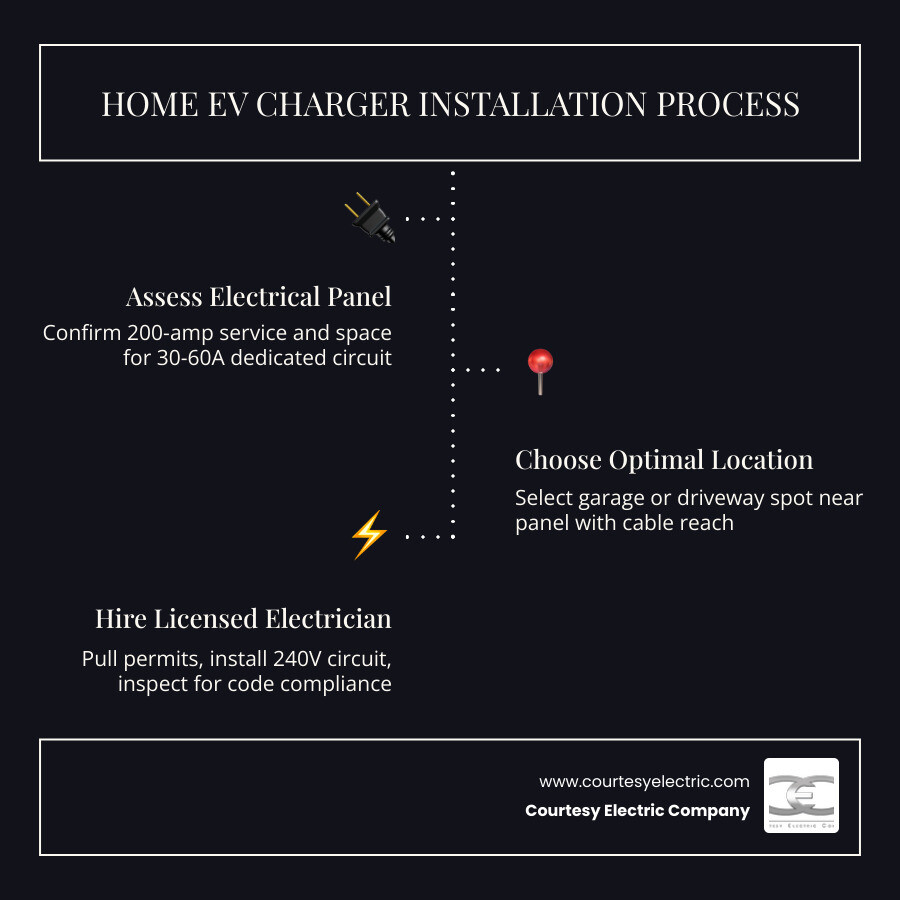
An ev charger installation guide for homeowners covers everything you need to know to add a Level 2 charging station to your home — from checking your electrical panel to pulling permits and choosing the right location.

Quick Overview: How Home EV Charger Installation Works

  1. Choose your charger type — Most homeowners install a Level 2 (240-volt) charger for overnight charging
  2. Assess your electrical panel — Confirm you have capacity for a dedicated 30–60 amp circuit
  3. Pick your location — Garage wall or exterior surface close to your parking spot and panel
  4. Hire a licensed electrician — Required for 240-volt circuit work and permit compliance
  5. Pull permits and schedule inspection — Required in most Colorado municipalities
  6. Install and configure — Mount charger, connect circuit, test, and set up smart charging features

If you've recently bought an electric vehicle — or you're seriously considering one — you've probably already run into the limits of a standard 120-volt wall outlet. Level 1 charging adds only 3 to 5 miles of range per hour, which means a vehicle with a large battery pack could take well over 24 hours to fully charge. For daily drivers on the Colorado Front Range, that's just not practical.

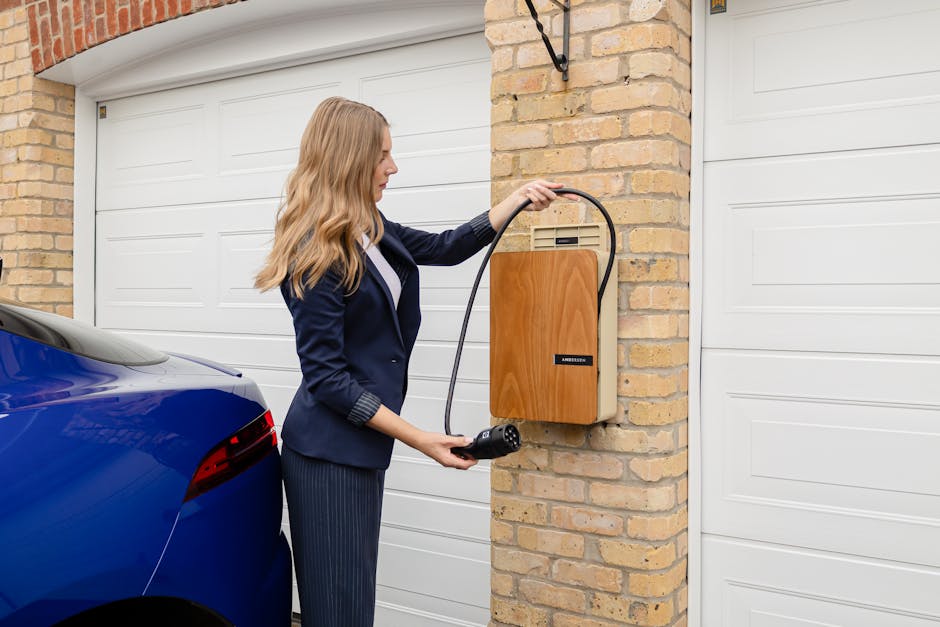
A dedicated Level 2 home charger changes everything. It runs on a 240-volt circuit (the same type that powers an electric dryer), delivers 20 to 40 miles of range per hour, and lets you wake up every morning with a full battery — without ever waiting at a public station. For Denver-area homeowners who depend on their vehicles year-round, that kind of reliability isn't a luxury. It's a real quality-of-life upgrade.

That said, installing a home EV charger isn't as simple as plugging in an appliance. It involves your home's electrical system, local building codes, permitting, and decisions that will affect how your home handles energy for years to come. Getting those decisions right from the start saves time, money, and headaches down the road.

I'm David Meyer, Vice President of Courtesy Electric — a Colorado electrical contractor with roots going back to 1976. Over the decades, our team has helped hundreds of Front Range homeowners navigate exactly these kinds of electrical upgrades, and this ev charger installation guide for homeowners draws directly on that hands-on experience. In the sections ahead, we'll walk you through everything you need to make a smart, safe, code-compliant decision for your home.

Step-by-step infographic: home EV charger installation process for homeowners - ev charger installation guide for homeowners

When you start researching your ev charger installation guide for homeowners, the first thing you’ll encounter is the different "levels" of charging. Think of these levels like different sizes of water pipes: a bigger pipe lets more energy flow into your battery at once.

Level 1 Charging: The "Garden Hose"

Every EV comes with a Level 1 cord that plugs into a standard 120-volt household outlet. It’s reliable but incredibly slow, providing about 1.4 kW of power. While it might work for someone with a very short commute, it generally takes more than a full day—sometimes up to 40 hours—to charge a battery from empty.

Level 2 Charging: The "Fire Hose"

This is the gold standard for home charging. Level 2 chargers require a 240-volt circuit and provide 7 kW to 22 kW of power. By charging 4 to 10 times faster than Level 1, a Level 2 unit can fully top off most vehicles in just 4 to 8 hours. For most of our neighbors in Denver and the Front Range, this is the only practical way to ensure your car is ready for the I-70 climb or a long commute across the metro area.

Level 3 / DC Fast Charging

You’ve likely seen these at shopping centers or highway rest stops. They provide 30 kW to 150+ kW of power and can charge a car in under an hour. However, these are not designed for residential use. They require massive amounts of industrial-grade power that standard home grids simply cannot provide.

Connectors and Compatibility

In April 2026, the industry has largely converged on two main connector types. Most non-Tesla vehicles use the J1772 connector, while Tesla (and many newer models from other manufacturers) use the NACS (North American Charging Standard), also known as J3400. Don't worry if your car and charger don't match perfectly; high-quality adapters are widely available and safe to use.

Feature Level 1 (120V) Level 2 (240V)
Range Added per Hour 3–5 miles 20–60 miles
Typical Charge Time 20–40+ hours 4–10 hours
Circuit Requirement Standard Outlet Dedicated 240V Circuit
Best Use Case Emergency/Low Mileage Daily Driving/Overnight

To learn more about how we integrate these systems into your home, visit our Residential Electrical Services page.

Assessing Your Electrical System for an EV Charger Installation Guide for Homeowners

Before you buy a charger, we need to look at what's happening behind the door of your electrical panel. Your home's electrical system has a maximum capacity, measured in amps.

Most modern homes built after 2000 feature a 200-amp service, which is generally plenty of room to add an EV charger. However, many older homes in Denver or Highlands Ranch may only have 100-amp or even 60-amp service. If you have an electric range, clothes dryer, and central air conditioning all running on a 100-amp panel, adding a high-draw EV charger could push your system to its limit.

The Importance of a Load Calculation

We don't just "guess" if your panel can handle the load. A licensed electrician performs a formal load calculation. This takes into account the square footage of your home and the electrical requirements of all your existing appliances. If the math shows you’re near capacity, we may recommend a service upgrade or a smart load-management device.

The Dedicated Circuit Requirement

An EV charger is a "continuous load," meaning it pulls a high amount of electricity for hours at a time. Because of this, the National Electrical Code (NEC) requires the charger to be on its own dedicated circuit. You cannot share this circuit with a garage refrigerator or power tools.

To ensure your older home is ready for this modern tech, review our Electrical Safety Checklist for Older Homes.

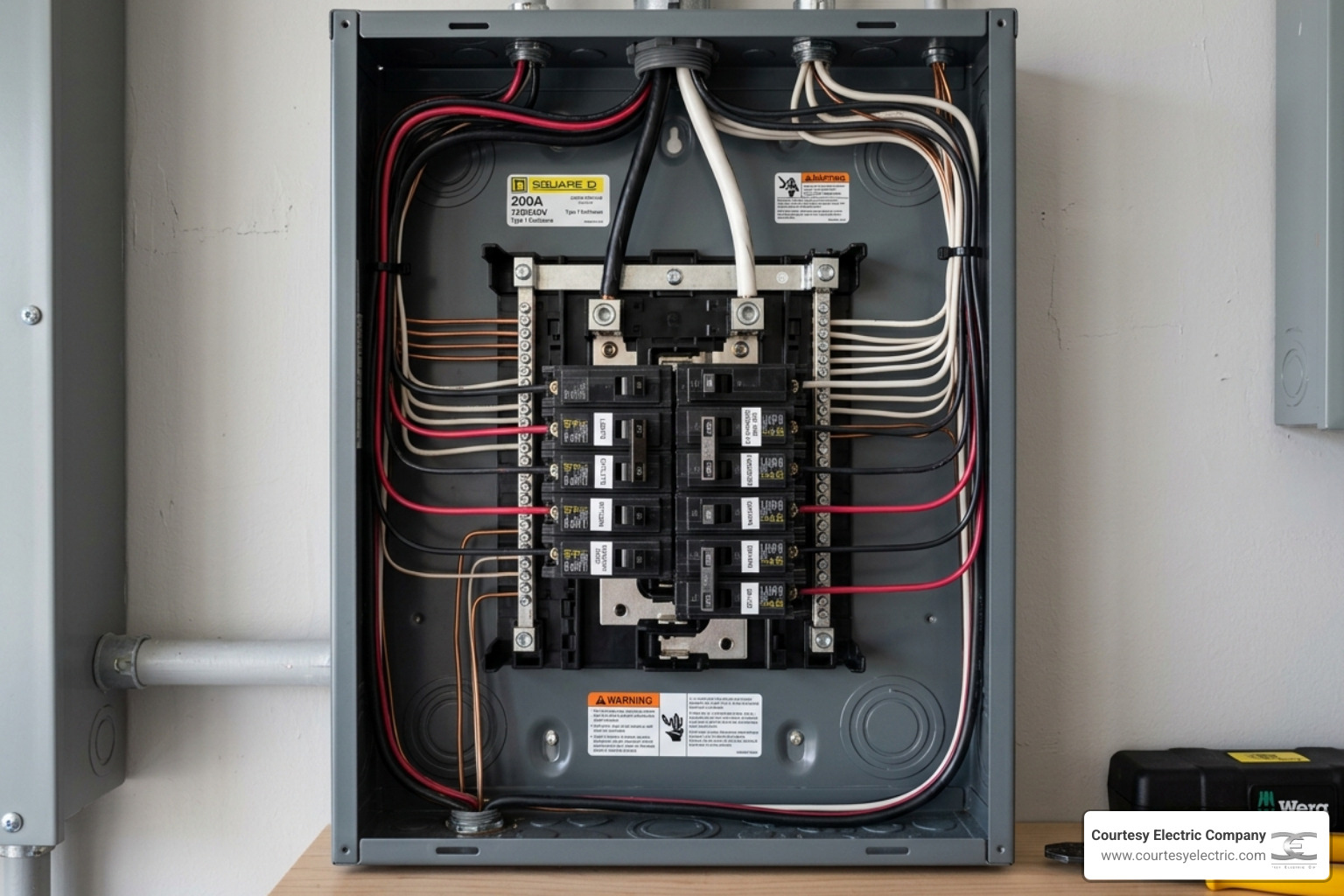
Internal view of a clean, modern electrical panel with a new dedicated EV breaker - ev charger installation guide for

Evaluating Panel Capacity for an EV Charger Installation Guide for Homeowners

Even if your home has enough total amperage, we still need physical space in the panel. A Level 2 charger requires a double-pole breaker, which takes up two adjacent slots in your panel.

  • Breaker Space: If your panel is physically full, we can sometimes use "tandem" breakers to free up space, or we may need to install a subpanel.
  • Subpanels: A subpanel is like an extension cord for your main panel. It’s a great solution if your main panel is in a basement and you need a hub for electrical work in a detached garage.
  • Service Upgrades: If your home only has 100-amp service and you plan on adding more electric appliances (like a heat pump or hot tub) in the future, a service upgrade to 200 amps is a smart investment that increases your home's value and safety.

For a deeper dive into panel work, check out our Electrical Service page.

Planning the Perfect Location for Your Charging Station

Location is about more than just where the car sits. It’s about convenience, safety, and minimizing installation complexity.

Garage vs. Driveway

Most homeowners prefer the garage because it keeps the charger and the vehicle out of the Colorado elements. However, if you park in a driveway or a parking pad, you can absolutely install an outdoor-rated charger. These units are designed to withstand moisture and extreme temperature swings—vital for our "four seasons in one day" Front Range weather.

Proximity to the Panel

The further the charger is from your electrical panel, the more wiring and conduit are required. Keeping the charger close to the panel can simplify the installation, but you should never sacrifice daily convenience just to save a few feet of wire.

Cable Reach and Maneuverability

Think about where the charging port is on your car. Is it on the front fender? The rear driver’s side? We recommend mounting the charger so the cable can easily reach the port without being stretched tight or becoming a tripping hazard. Most cables are 18 to 25 feet long, which gives you some flexibility, but it’s always best to "test fit" the location by walking through the motions of plugging in your car.

For tips on managing your home's energy during our peak summer months, see How to Manage Electrical Demand During Hot Weather.

Professional Requirements and Safety Standards

We often hear the question: "Can I just do this myself?" While DIY is great for painting a room, 240-volt electrical work is a different animal. A Level 2 charger pulls as much power as an entire small house might have used 50 years ago.

Permits and Inspections

In almost every Colorado municipality—from Denver to Colorado Springs—a permit is required for an EV charger installation. The permit ensures that a city inspector will review the work to confirm it meets safety codes. Skipping this can lead to issues when you try to sell your home, or worse, it could give your insurance company a reason to deny a claim if an electrical issue occurs.

NEC Article 625

This is the section of the National Electrical Code that specifically governs EV charging systems. It covers everything from how high the charger should be mounted (usually 42–48 inches) to the type of wiring required. Working with a licensed electrician ensures your installation is 100% compliant with these rigorous standards.

Hardwired vs. Plug-In

You have two choices for how the charger connects to your home:

  1. Plug-In: The electrician installs a NEMA 14-50 outlet (like a dryer outlet), and you plug the charger into it. This is great if you move and want to take the charger with you.
  2. Hardwired: The charger is wired directly into a junction box. This is often considered a "cleaner" look, and it’s required for higher-amperage chargers (48 amps or higher) that provide the fastest possible home charging speeds.

Safety is our top priority. For more advice on keeping your home's electrical system safe, read our Electrical Fire Prevention Tips for Homeowners.

Safety Standards in an EV Charger Installation Guide for Homeowners

Beyond the basic wiring, there are several specific safety rules we follow:

  • The 125% Rule: Under NEC rules, the circuit breaker must be rated for 125% of the charger’s output. For example, a 40-amp charger requires a 50-amp breaker. This prevents the breaker from "nuisance tripping" during long charging sessions.
  • GFCI Protection: Most modern chargers have Ground Fault Circuit Interrupter (GFCI) protection built-in. However, depending on the version of the electrical code your city follows, we may also need to install a GFCI-protected breaker in your panel.
  • UL-Certification: We only recommend and install chargers that are UL-listed or ETL-certified. This means the hardware has been independently tested for safety.
  • Torque Specifications: It sounds minor, but using a torque screwdriver to tighten connections to the manufacturer's exact specs is critical. Loose connections create heat, and heat is the enemy of electrical safety.

We stand behind our work with comprehensive Warranty Information to give you peace of mind.

Future-Proofing Your Home for Multiple Electric Vehicles

If you have one EV today, there’s a good chance you’ll have two in the future. Planning for that now can save you significant money later.

Smart Chargers and Load Management

Some modern chargers are "smart," meaning they can talk to each other. If you have two chargers on the same circuit, they can "load share," splitting the power between two cars so you don't overload your panel. This is a great way to avoid a costly service upgrade.

SPAN Smart Panels

We are proud to install SPAN panels, which represent the future of home energy. These smart panels allow you to monitor and control every circuit in your home from an app. They can automatically manage your EV charging based on your solar production, battery storage levels, or utility rates.

Bidirectional Charging

This is the "next big thing." Some newer EVs are capable of bidirectional charging (Vehicle-to-Home or V2H), meaning your car can actually power your house during a blackout. While this technology is still emerging, we can help you choose hardware that is "V2H ready."

You can see examples of our high-end residential work in our Single Family Residential Portfolio.

Conclusion

Installing an EV charger is one of the most practical and rewarding upgrades you can make to your Colorado home. It simplifies your daily routine, saves you money compared to gasoline, and ensures your vehicle is always ready for your next adventure.

At Courtesy Electric Company, we’ve been serving Denver and the Colorado Front Range since 1976. Whether you are in Aurora, Boulder, Fort Collins, Colorado Springs, Lakewood, or Westminster, our mission remains the same: Quality, Integrity, and Dependability. We specialize in everything from basic charger installs to complex infrastructure for multi-family developments and smart-home integrations like the SPAN panel.

We know that every home is unique. That’s why we offer free estimates to help you understand exactly what your specific ev charger installation guide for homeowners looks like. We’ll look at your panel, discuss your driving habits, and help you choose the perfect setup for your lifestyle.

Ready to wake up to a full battery every morning? Contact us today or Schedule Service to get started. Let our decades of experience work for you, ensuring your home is ready for the electric revolution. For more information on our full range of services, visit our Residential Electrical Services page.

The Ultimate Guide to Energy Management Options for Colorado Homes

Why Energy Management Options for Colorado Homes Matter More Than Ever

energy management options for Colorado home exterior modern efficient

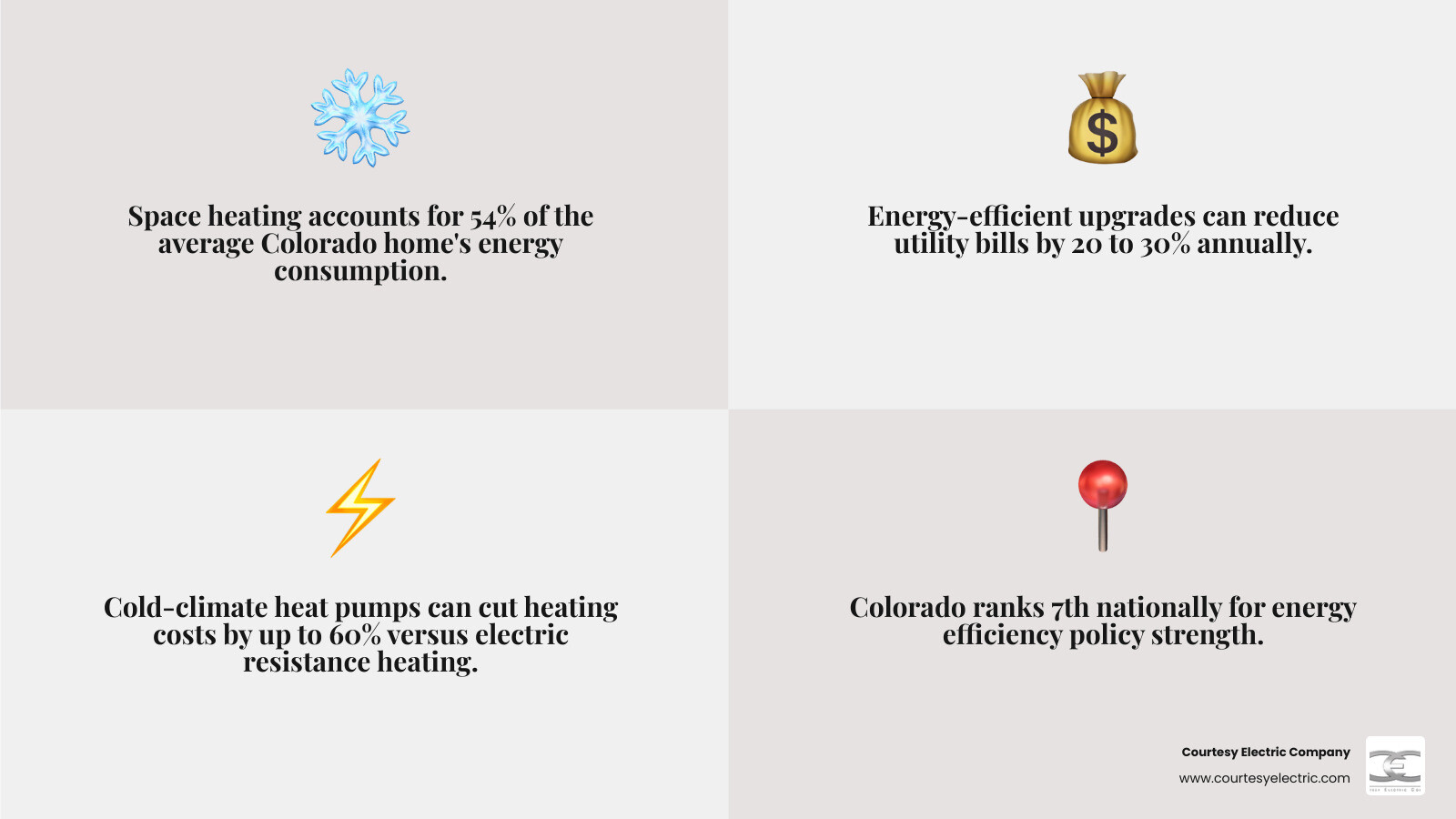
Energy management options for Colorado homes have never been more important — or more accessible. With space heating alone accounting for 54% of the average Colorado home's energy use, and utility bills rising year over year, Front Range homeowners are under real pressure to find smarter ways to power and protect their homes.

The good news: a growing stack of state programs, utility rebates, and advanced electrical technologies now makes it possible to cut energy costs significantly — often by 20 to 30% annually — while also building resilience against Colorado's unpredictable weather and grid outages.

Here is a quick overview of the main energy management options available to Colorado homeowners:

Option What It Does Key Benefit
Weatherization (insulation + air sealing) Reduces heat loss and air infiltration Lowers heating and cooling costs year-round
Cold-climate heat pumps Efficient electric heating and cooling Up to 60% reduction in heating costs vs. electric resistance
Smart thermostats Automates temperature scheduling Reduces heating and cooling costs by up to 15%
ENERGY STAR appliances Replaces inefficient appliances Lowers utility bills by up to 30%
LED lighting Replaces incandescent bulbs Uses 75% less energy, lasts 25x longer
Heat pump water heaters Efficient electric water heating 25–35% less energy than traditional water heaters
Battery storage systems Stores energy for backup or off-peak use Provides power resilience and grid independence
SPAN smart panels Monitors and manages home electrical load Real-time energy visibility and control
Home standby generators Whole-home backup power Protection from outages during severe weather
State and utility rebates (HEAR/HER) Financial incentives for upgrades Up to $14,000 back on qualifying improvements

Colorado also ranks 7th in the nation for energy efficiency policy, meaning residents have access to one of the strongest combinations of state programs, utility incentives, and building standards in the country.

I'm David Meyer, Vice President of Courtesy Electric — a Colorado electrical contractor with roots going back to 1976 — and my work with battery storage systems, smart panel installations, and electrical infrastructure across the Front Range gives me a practical, ground-level perspective on energy management options for Colorado homes. In this guide, I'll walk you through everything from rebate programs to advanced backup power solutions so you can make confident, informed decisions for your home.

Infographic showing Colorado home energy consumption breakdown and top energy management options with rebate amounts

Understanding Your Energy Management Options for Colorado Homes

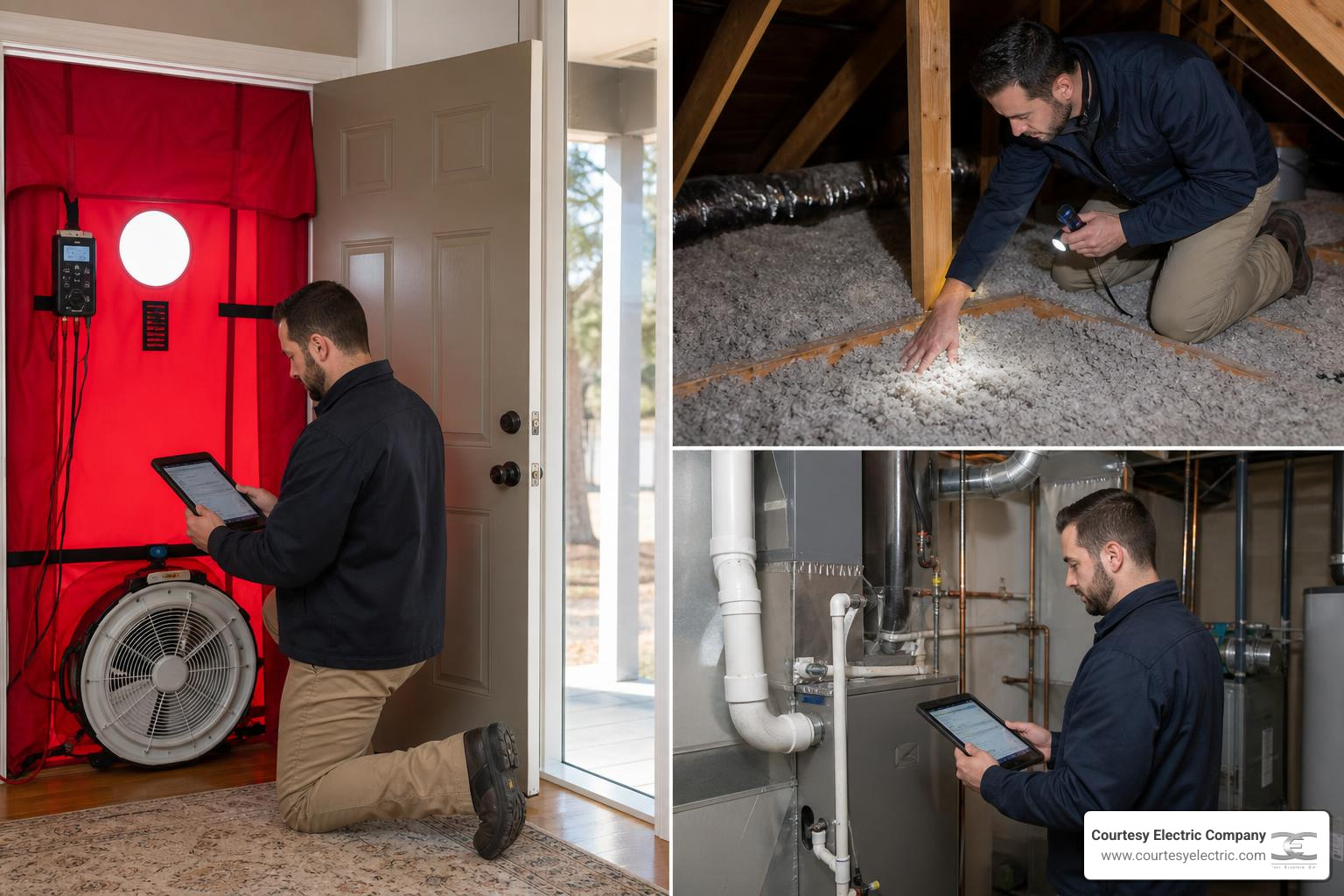
Technician performing a residential home energy audit in a Denver home

To make the most of the energy management options for Colorado homes, we first have to understand where our home energy goes. In the Rocky Mountain region, our electricity and gas usage patterns are heavily dictated by extreme seasonal shifts. While our summers demand more cooling power, space heating remains the single largest driver of residential energy consumption, making up over half of our annual utility usage.

To pinpoint exactly where your home is losing power, we always recommend starting with a professional home energy audit. A certified auditor will perform a blower door test to measure air leakage, inspect your insulation levels, and assess the efficiency of your HVAC and electrical systems. Knowing where your home wastes energy allows you to target your upgrades for the fastest return on investment.

Modernizing your home’s infrastructure is about more than just sealing drafts; it is about taking control of your entire electrical system. Implementing a centralized management strategy offers massive benefits, which you can explore in detail in our guide on Energy Management System Benefits for Homeowners.

Optimizing Heating and Cooling Efficiency in the Rocky Mountain Climate

In places like Denver, Parker, Highlands Ranch, and Black Forest, winter temperatures regularly plummet below freezing, while summers can bring intense, high-altitude heat. This makes optimizing your heating and cooling efficiency a top priority.

Historically, homeowners worried that electric heat pumps couldn't handle Colorado’s coldest winter nights. However, modern cold-climate heat pumps are designed specifically for mountain climates, operating efficiently at temperatures as low as -5°F or lower. For homes transitioning from older electric resistance heating, a cold-climate heat pump can reduce annual heating costs by up to 60%.

To make sure your new heating and cooling systems perform at their peak, you must pair them with proper weatherization. This includes:

  • Air Sealing: Sealing gaps around windows, doors, and baseboards to prevent drafts.
  • Insulation Upgrades: Ensuring your attic insulation meets an R-value of R-49 to R-60. Insulating crawlspaces and exterior walls helps maintain a stable indoor temperature, reducing the workload on your HVAC system.

Smart Technology and Energy Management Options for Colorado Homes

Integrating smart home technology is one of the easiest, most cost-effective ways to reduce your daily energy consumption. You do not need to overhaul your entire house overnight; starting with small, high-impact devices can make an immediate difference on your monthly utility bills.

  • Smart Thermostats: These devices learn your daily schedule and automatically adjust temperatures when you are asleep or away, which can reduce your heating and cooling costs by up to 15%.
  • LED Lighting: Upgrading to LED bulbs is a quick win. LEDs consume about 75% less energy than old incandescent bulbs and last up to 25 times longer.
  • ENERGY STAR Certified Appliances: When it is time to replace your refrigerator, clothes dryer, or dishwasher, choosing ENERGY STAR certified models can lower your appliance-related utility costs by roughly 30%.

Maximizing these technologies is especially helpful during our hot Colorado summers, when cooling demands peak. For practical tips on using automation to keep your home cool, check out our article on How to Reduce Your Summer Electric Bill with Smart Technology.

Colorado Home Energy Rebate Programs: HEAR vs. HER

Navigating state-level incentives can feel overwhelming, but understanding the difference between Colorado's two primary programs — the Home Electrification and Appliance Rebates (HEAR) and the Home Energy Efficiency Rebates (HER) — is key to maximizing your savings. Both programs are funded by the federal Inflation Reduction Act and administered by the Colorado Energy Office.

The HEAR program focuses on point-of-sale discounts for high-efficiency electric appliances and electrical upgrades. It is specifically structured to support low- to moderate-income households. Eligibility is determined by your Area Median Income (AMI):

  • Households earning below 80% of their local AMI qualify for rebates covering up to 100% of qualified project costs.
  • Households earning between 80% and 150% of their local AMI qualify for rebates covering up to 50% of qualified project costs.

The HER program (historically referred to as the HOMES program) focuses on whole-home energy performance. Instead of rewarding specific appliance purchases, HER provides rebates based on the measured or modeled energy savings achieved by a suite of upgrades (such as combining insulation, air sealing, and HVAC improvements).

Importantly, homeowners cannot combine (or "double-dip") HEAR and HER rebates for the same single upgrade; you must choose the path that offers the best financial advantage for your project. Because these upgrades often require modernizing your electrical panel and circuits, you can read more about aligning these programs with your electrical system in our guide on Colorado Energy Rebates for Electrical Upgrades.

Here is a quick comparison of how these two programs operate in 2026:

Feature HEAR Program HER Program
Primary Focus Individual appliance electrification & electrical readiness Whole-home energy savings performance (measured or modeled)
Maximum Rebate Up to $14,000 total per household Up to $8,000 (depending on achieved energy savings and income)
Income Thresholds Tiered incentives up to 150% AMI Open to all income levels, but higher incentives for <80% AMI
How It's Delivered Point-of-sale discount through registered contractors Post-project rebate or contractor discount based on energy savings
Best For Replacing a specific furnace, water heater, or upgrading a panel Multi-measure projects (e.g., doing insulation, air sealing, and HVAC together)

Step-by-Step Guide to Accessing State Energy Rebates

To ensure you qualify for these valuable state rebates, it is critical to follow the official application process. Taking steps out of order — such as purchasing equipment before verifying eligibility — can disqualify your project.

  1. Verify Your Income Eligibility: Use the Colorado Energy Office online portal to check your household income against your local county's Area Median Income (AMI) thresholds.
  2. Schedule a Home Energy Assessment: A professional home energy audit or assessment is required to establish a baseline and identify recommended improvements.
  3. Work with Registered Contractors: Both HEAR and HER programs require you to work with state-approved, registered contractors. These contractors are vetted by the program and will handle the rebate paperwork on your behalf, passing the rebate directly to you as an upfront discount on your project proposal.
  4. Review and Sign the Project Proposal: Your registered contractor will design a rebate-informed project proposal detailing the eligible upgrades, the estimated energy savings, and the upfront rebate discounts.
  5. Permitting and Professional Installation: Once approved, your contractor will pull the necessary municipal permits and complete the installation to current building codes.

Eligible Upgrades and Maximum Rebate Caps

The HEAR program offers substantial financial support to help Colorado homeowners transition to high-efficiency electric systems. These rebates can be stacked up to a total household limit of $14,000.

  • Heat Pump HVAC Systems: Up to $8,000
  • Electrical Panel Upgrades: Up to $4,000
  • Electrical Wiring Improvements: Up to $2,500
  • Heat Pump Water Heaters: Up to $1,750
  • Insulation, Air Sealing, and Ventilation: Up to $1,600
  • ENERGY STAR Electric Stoves/Cooktops: Up to $840

These rebate caps make it highly advantageous to bundle your projects. For example, if you want to install a cold-climate heat pump but your home's older electrical panel cannot handle the load, you can combine the HVAC rebate with the electrical panel and wiring rebates to modernize your entire electrical infrastructure at a fraction of the standard cost.

Advanced Infrastructure: Solar, Battery Storage, and Smart Panels

As Front Range homeowners adopt electric vehicles, heat pumps, and electric water heaters, our home electrical systems face unprecedented demands. To truly master your home's energy management, you need an electrical infrastructure that is as smart as the appliances it powers.

Integrating solar panels with advanced battery storage systems (such as Franklin Battery Storage) allows you to capture clean energy during the day and use it when utility rates are highest or during a power grid failure.

To tie all of these systems together, we recommend installing a SPAN smart electrical panel. Unlike a traditional, passive circuit breaker panel, a SPAN panel gives you complete digital control over every circuit in your home through an intuitive smartphone app. You can monitor exactly how much power your home is consuming in real-time, prioritize essential circuits during an outage, and seamlessly integrate your solar and battery storage.

Investing in these advanced infrastructure upgrades also makes you eligible for significant federal incentives. You can learn how to maximize these benefits in our article on Federal Tax Credits for Battery Storage and SPAN Panels.

Integrating Smart Panels as Core Energy Management Options for Colorado Homes

A smart panel does more than just display your electricity usage; it acts as an active traffic controller for your home's electrical demand. During hot summer afternoons on the Front Range, the local electrical grid experiences peak demand, which often leads to higher time-of-use utility rates.

With a SPAN panel, you can establish automated load management rules. For instance, you can program the panel to temporarily pause non-essential loads — like your EV charger or electric dryer — when your home's total demand spikes or when energy prices are at their highest. This active load shedding keeps your home running smoothly without overloading your electrical service or blowing your monthly budget. To learn more about navigating these high-demand periods, read our expert advice on How to Manage Electrical Demand During Hot Weather.

Whole-Home Power Backup and Resiliency

Front Range weather is notoriously unpredictable. From heavy spring snowstorms in Parker and Highlands Ranch to high-wind events and wildfire risks in Black Forest, power outages are an unfortunate reality for Colorado families.

Building a resilient home means having a dependable backup power strategy. We specialize in helping homeowners design the perfect resiliency setup for their specific needs:

  • Home Standby Generators: Powered by natural gas or liquid propane, whole-home standby generators (from leading brands like Generac and Cummins) provide continuous, high-capacity power to your entire home within seconds of a grid failure. They are ideal for managing heavy, long-term loads during extended winter outages.
  • Battery Backup Systems: Utilizing advanced battery storage, like Franklin Battery Storage, offers silent, instantaneous backup power. When paired with solar panels, battery systems can keep your essential household circuits running indefinitely by recharging during daylight hours.

Frequently Asked Questions About Colorado Home Energy Management

What is the difference between the HEAR and HER rebate programs?

The primary difference lies in how the rebates are calculated and applied. The HEAR program offers direct, point-of-sale discounts for specific, qualified electric appliances and electrical upgrades (like panels and wiring) and is restricted to low-to-moderate-income households (below 150% AMI). The HER program is open to all income levels and provides rebates based on the overall, verified energy savings achieved by a combination of whole-home upgrades (such as weatherization paired with HVAC improvements).

How do smart thermostats and LED lighting reduce monthly utility bills?

Smart thermostats reduce utility bills by automatically lowering your heating or cooling when you are asleep or away, preventing wasted energy on an empty house. LED lighting uses up to 75% less electricity than traditional incandescent bulbs and releases virtually no heat, keeping your home cooler in the summer and lowering your lighting-related electricity costs.

Can I stack local utility rebates with federal tax credits?

Yes! In many cases, you can stack local utility rebates (such as those offered by Xcel Energy or Colorado Springs Utilities) with state rebate programs and federal tax credits (like the Energy Efficient Home Improvement Credit). However, you must ensure that all equipment meets the specific technical standards required by each individual incentive program.

Take Control of Your Home's Energy Future

From high-efficiency heat pumps and smart thermostats to advanced battery storage and SPAN smart panels, there are more energy management options for Colorado homes than ever before. Taking advantage of these upgrades not only lowers your monthly utility bills but also ensures your family is protected against rising energy rates and unexpected power outages.

At Courtesy Electric Company, we have been serving Denver and the Colorado Front Range since 1976. As a local, family-owned electrical contractor, we specialize in helping homeowners modernize their electrical systems with quality installations, including SPAN panels, Franklin battery storage, and Generac or Cummins home standby generators.

If you are ready to upgrade your home’s electrical infrastructure and make the most of Colorado’s energy rebates, we are here to help with professional advice and free estimates on all new installations.

Schedule a consultation with Courtesy Electric Company today to design a customized energy management plan for your home.

Why Smart Energy Management is the Ultimate Home Upgrade

Why Energy Management System Benefits for Homeowners Are Changing the Way We Power Our Homes

energy management system benefits for homeowners

Energy management system benefits for homeowners include lower electricity bills, better control over how and when energy is used, protection against outages, and a smaller carbon footprint — all from one connected system.

Here's a quick look at the top benefits:

Benefit What It Means for You
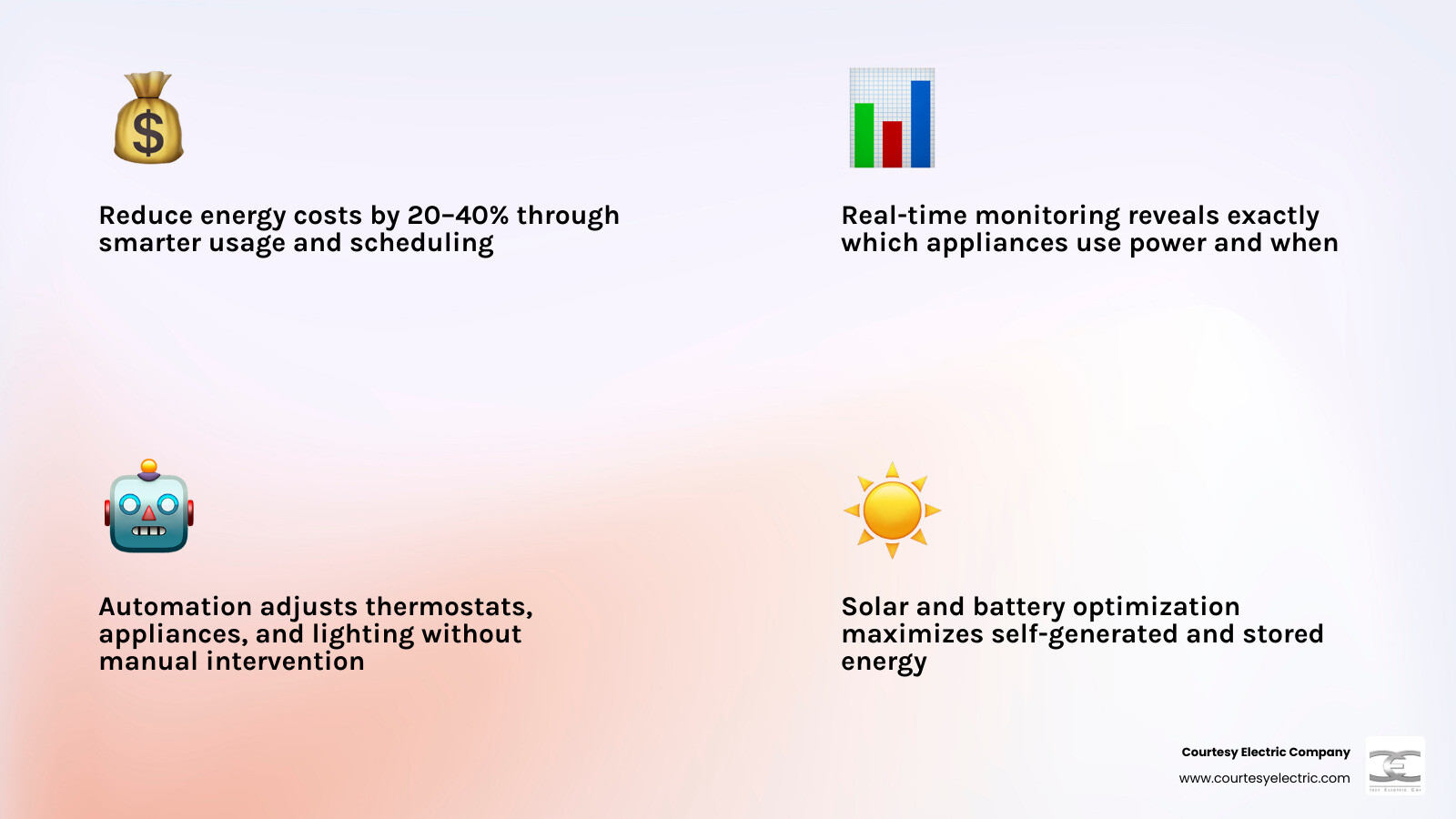
Lower electricity bills Reduce energy costs by 20–40% through smarter usage and scheduling
Real-time monitoring See exactly which appliances are using power and when
Automation Your home adjusts itself — thermostats, appliances, lighting — without you lifting a finger
Solar and battery optimization Maximize the energy you generate and store at home
Outage protection Keep critical systems running when the grid goes down
Demand response savings Shift usage to off-peak hours and earn bill credits from your utility
Reduced carbon footprint Use more clean energy and less grid power
Higher home value Energy-efficient homes with smart tech sell for more

Energy prices in Colorado aren't going down. The average U.S. household spends between $1,500 and $2,000 a year on electricity — and that number keeps climbing. At the same time, more Front Range homeowners are adding solar panels, battery storage, and EV chargers to their homes. Without a system to coordinate all of it, you're leaving real money on the table.

That's where a Home Energy Management System (HEMS) comes in. Think of it as an autopilot for your home's energy — it watches what's happening across every circuit, makes smart decisions in real time, and takes action so you don't have to. Research from real-world experiments across 10 households found that HEMS reduced total electricity consumption by up to 30% in winter months alone. And for homes pairing a HEMS with solar and battery storage, grid imports can drop by as much as 84%.

This isn't just a tech upgrade. It's one of the most practical investments a homeowner can make right now.

I'm David Meyer, Vice President of Courtesy Electric, a Colorado electrical contractor with roots going back to 1976. I've seen how the right energy infrastructure transforms homes — and understanding the full range of energy management system benefits for homeowners is something I'm passionate about bringing to every Front Range household we serve. In this guide, we'll break down exactly what a HEMS does, what it can do for your home, and how to get started.

Infographic showing HEMS benefits: bill savings 20-40%, real-time monitoring, automation, solar optimization, outage

Understanding the Modern Home Energy Management System (HEMS)

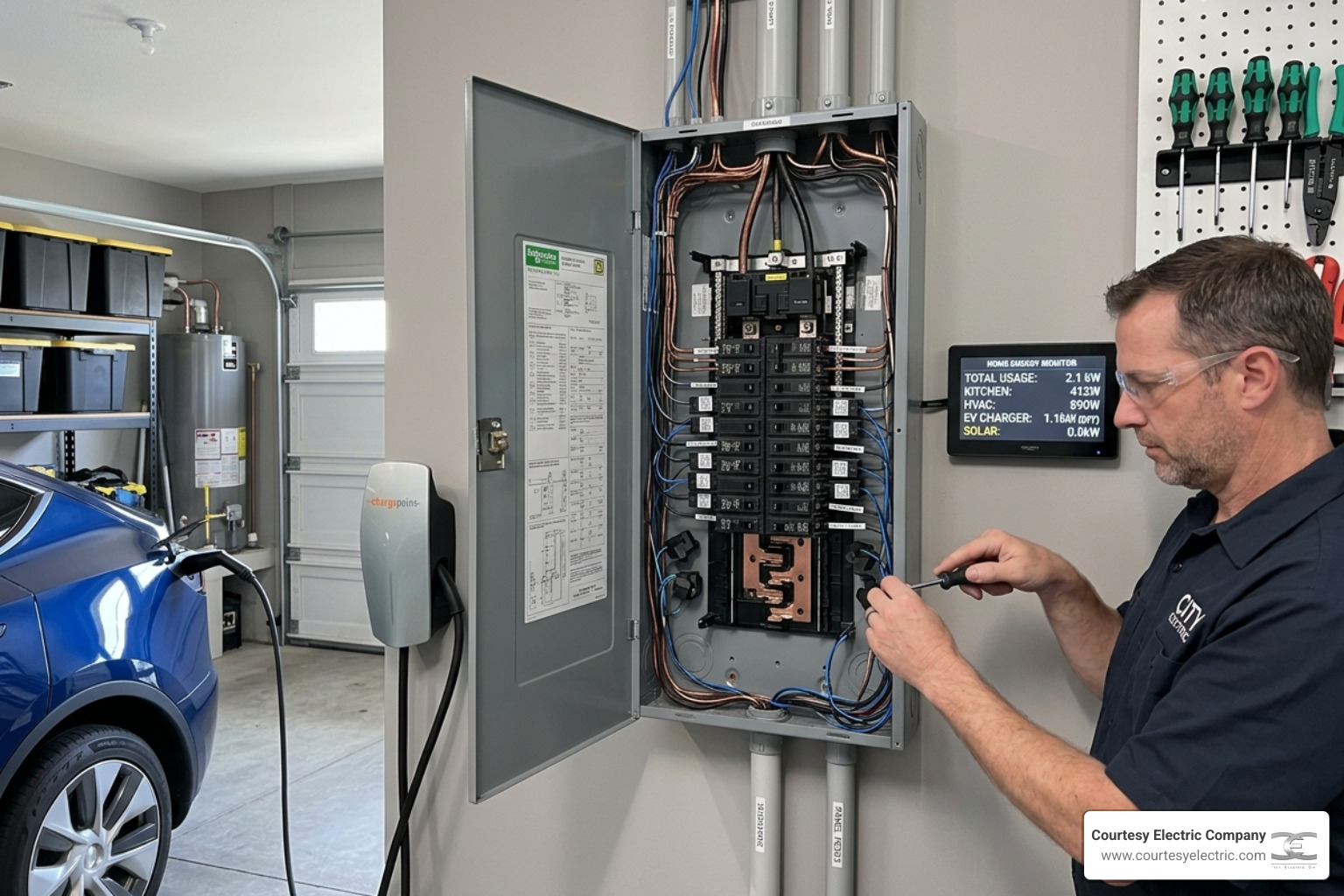
smart electrical panel installation with energy monitoring sensors - energy management system benefits for homeowners

A Home Energy Management System (HEMS) is much more than a fancy thermostat. It is a sophisticated ecosystem of hardware and software designed to "Measure, Decide, and Act." In April 2026, the technology has reached a point where it serves as the central brain of your home's electrical infrastructure.

At its core, a HEMS consists of a central hub or gateway that communicates with various components: energy monitors installed in your electrical panel, smart thermostats, connected appliances, and smart lighting. This system provides a unified interface—usually a mobile app—where you can view real-time data on exactly where every kilowatt-hour is going.

Our Residential Services often involve installing these systems to help homeowners gain visibility into "phantom loads"—those sneaky devices that draw power even when turned off. By using cloud connectivity, the HEMS analyzes your usage patterns against weather forecasts and utility pricing to automate your home for maximum efficiency.

Feature Standard Smart Meter Home Energy Management System (HEMS)
Primary Purpose Billing for the utility company Optimization for the homeowner
Data Granularity Total home usage (usually delayed) Circuit or appliance-level (real-time)
Control None Automated scheduling and load shedding
Integration Limited Connects solar, battery, EV, and HVAC

How HEMS Differs from Basic Smart Devices

You might already have a smart bulb or a Wi-Fi-enabled plug, but a HEMS is about interoperability. Instead of ten different apps that don't talk to each other, a HEMS creates a coordinated ecosystem. For example, when the system detects that your solar panels are producing excess power, it doesn't just show you a graph; it can proactively signal your water heater to kick on or your EV to start charging. This predictive analysis is a core part of our Electrical Service philosophy: moving from reactive repairs to proactive management.

The Role of Smart Sensors and Software

The "eyes" of the system are the sensors. Modern HEMS can monitor energy at the circuit level, meaning we can see if the refrigerator in the garage is failing because it's drawing three times the power it should. This provides crucial usage alerts that go beyond just saving money—they improve safety. If an appliance is behaving abnormally, it could be a fire risk. We recommend checking our Electrical Safety Checklist for Older Homes to see how monitoring can protect aging infrastructure in Denver's historic neighborhoods.

Top Energy Management System Benefits for Homeowners in Denver

Living on the Front Range means dealing with temperature swings that can send utility bills skyrocketing. One of the most immediate energy management system benefits for homeowners is significant bill reduction. By identifying waste and optimizing when you use power, homeowners typically see 20-40% savings on their annual costs.

In Colorado, we often face high demand during summer afternoons. A HEMS performs "peak shaving," which means it automatically reduces your home’s power draw during the most expensive times of day. This is a key strategy in How to Manage Electrical Demand During Hot Weather. Furthermore, many local utilities offer demand response programs where you can earn credits by allowing the system to make tiny, imperceptible adjustments to your energy use during grid stress.

Beyond the monthly savings, these systems are a major driver of property value. As we move through 2026, buyers are looking for "energy-ready" homes that are already equipped with the infrastructure to handle a sustainable lifestyle.

Maximizing Energy Management System Benefits for Homeowners Through Automation

The real magic happens when you stop thinking about energy and let the system do it for you. Through advanced scheduling and occupancy sensors, your home can enter an "Eco Mode" the moment you leave for work.

  • Time-of-Use Optimization: The system runs the dishwasher when rates are lowest.
  • Integrated Lighting: Using Lighting Control, the system ensures no lights are left on in empty rooms.
  • Load Shedding: If you are nearing a peak demand threshold that would trigger a higher utility rate, the HEMS can temporarily pause non-essential loads like a pool pump or a clothes dryer.

Long-term Energy Management System Benefits for Homeowners and the Environment

Sustainability isn't just a buzzword; it’s about resilience. A HEMS can lead to a 30% decrease in winter energy consumption by smarter heat management—a massive benefit for those of us in the colder parts of the Front Range. By maximizing the use of renewable energy and reducing reliance on the grid, you are directly contributing to a smaller carbon footprint. Preparing your home for these shifts is part of Spring Electrical Safety and Storm Preparation, ensuring your system is tuned up before the heavy cooling or heating seasons begin.

How HEMS Integrates with Solar and Battery Storage

If you have solar panels, a HEMS is the "financial advisor" for your electrons. Without one, you might be sending solar power back to the grid for pennies and then buying it back at night for top dollar. A HEMS enables solar tracking and battery optimization, ensuring that every bit of sunshine stays within your home.

Research shows that homes with a well-sized battery and a smart HEMS can cut grid imports by up to 84%. This is the ultimate path to self-sufficiency. For those in the mountains or high plains, our Battery Storage Fraser CO: Complete Guide explains how to keep your home running independently.

Integrating your EV charger into this mix is the final piece of the puzzle. The HEMS can ensure your car charges primarily from excess solar, effectively allowing you to "drive on sunshine." For residents in Centennial, we offer a specialized Battery Storage Installation Guide Centennial CO to help navigate local requirements.

Managing Backup Power During Outages

In Colorado, storms and wildfires can lead to unexpected grid failures. A HEMS provides a level of resilience that traditional systems can't match. It manages your "critical loads"—ensuring your refrigerator, medical equipment, and internet stay powered while shedding less important loads like the hot tub to preserve battery life. This seamless transition is one of the Whole Home Generator Benefits for Colorado Homeowners, especially when a generator and battery work in tandem.

Optimizing Electric Vehicle (EV) Charging

EVs are often the largest load in a modern home. A smart energy system balances this load so you don't trip your main breaker while cooking dinner. It prioritizes off-peak charging and "solar-first" modes. For more tips on setting this up, check out our Battery Storage Installation Fraser CO Tips.

Essential Components for a Smart Energy Upgrade

To get the most out of these systems, you need the right hardware. At Courtesy Electric Company, we specialize in high-performance components that serve as the foundation of your energy management:

  • SPAN Smart Panels: These replace your traditional breaker box and provide circuit-level control and monitoring right from your phone.
  • Franklin Battery Storage: A reliable, high-capacity solution for storing your solar energy.
  • Generac and Cummins Generators: For long-term backup power when the battery runs low during extended outages.

A complete setup often includes sub-metering for high-draw appliances and Wi-Fi gateways to keep everything connected. For a deeper dive into backup options, see our Generators Fraser CO: Complete Guide. We also help homeowners integrate these systems with their aesthetic goals, as detailed in our Fraser CO Lighting Control Installation Guide.

Choosing the Right Hub for Your Colorado Home

Compatibility is key. You want a system that supports modern protocols like Matter, Zigbee, and Z-Wave to ensure that the devices you buy today will still work tomorrow. Maintenance is also vital; for instance, Battery Storage Maintenance in Winter Park CO requires specific attention to temperature management, which a HEMS can help monitor.

The Importance of Professional Installation

This isn't a DIY project. Integrating a HEMS requires a deep understanding of infrastructure design and electrical panel upgrades. Incorrectly installed sensors can provide inaccurate data, or worse, create a hazard. We ensure your system is calibrated perfectly to your home's specific needs. How Outdated Wiring Increases Fire Risk is a serious concern when adding high-tech loads to an older electrical system.

Frequently Asked Questions

What is the difference between HEMS and a smart meter?

A smart meter is owned by the utility and tells them how much to charge you. A HEMS is owned by you and tells you how to use less energy. While a smart meter gives you a total number at the end of the month, a HEMS gives you a second-by-second breakdown of every appliance in your house.

Can HEMS work without solar panels or batteries?

Absolutely! While the savings are greatest with solar and storage, a HEMS is still incredibly effective in "grid-only" homes. By using automation to shift loads to off-peak hours and identifying energy-wasting appliances, you can still see substantial bill reductions.

How much can I realistically save on my electricity bills?

Most homeowners see a 20-40% reduction in their bills. However, if you have a full solar and battery setup integrated with a HEMS, some of our customers have reported cutting their grid reliance by 70-90%.

Conclusion

Investing in a Home Energy Management System is about more than just gadgets—it’s about energy independence and future-proofing your largest investment. As we move through April 2026, the ability to control your home's "metabolism" is becoming a standard expectation for modern living.

From reducing your monthly bills to protecting your family during a winter storm, the energy management system benefits for homeowners are clear. Whether you are looking for a simple low-voltage lighting upgrade or a complete smart panel and battery overhaul, we are here to help.

At Courtesy Electric Company, we’ve been serving the Denver and Colorado Front Range areas for nearly 50 years. We understand the unique energy challenges of the Rockies and the plains. If you’re ready to take control of your home’s energy future, contact us for a free estimate. Let’s build a smarter, more resilient home together.
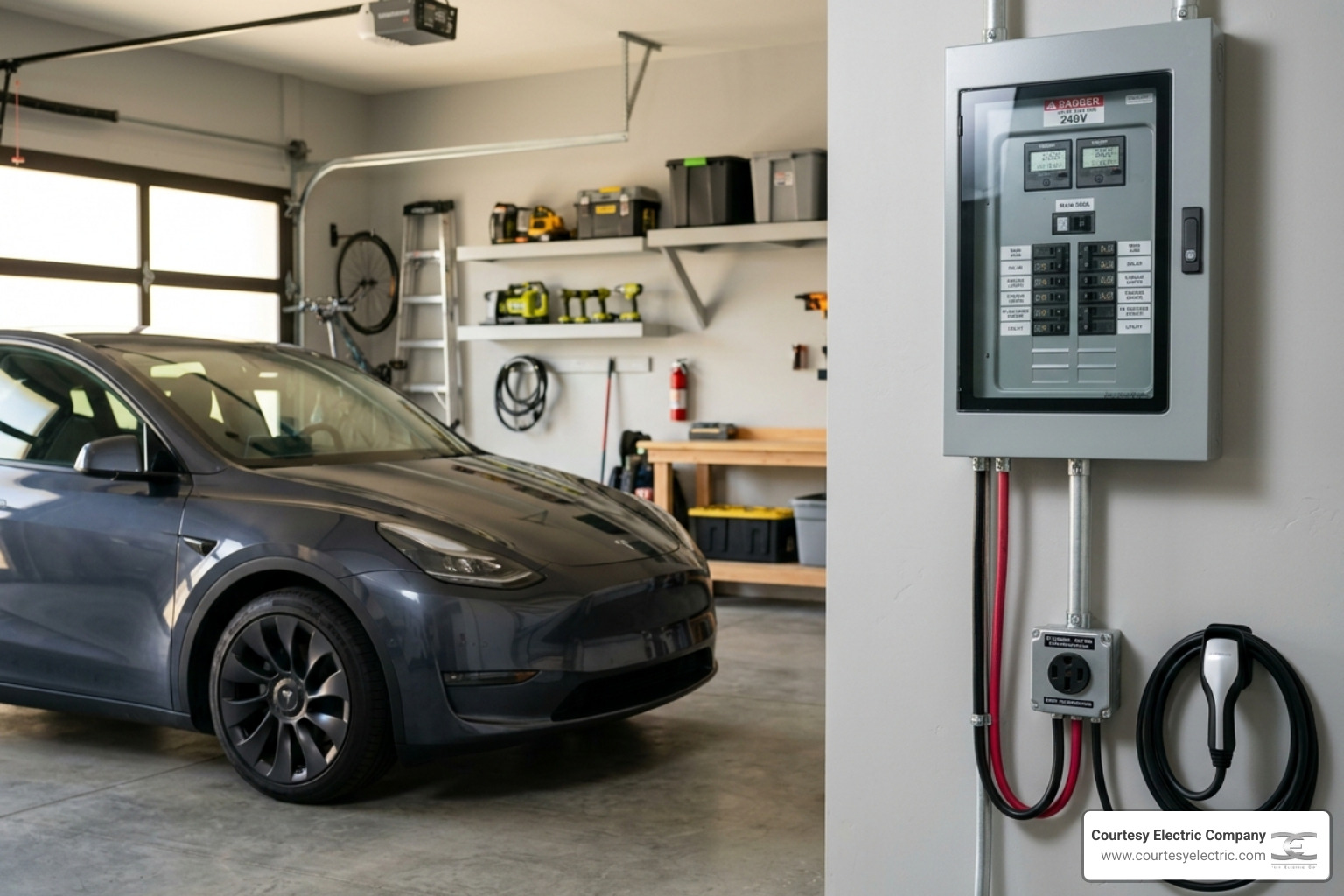
A – Z Guide to Generac Generator Maintenance Schedule

Why the Generac Generator Maintenance Schedule Explained Correctly Can Save Your Home From an Outage

generac home standby generator in residential yard

Understanding the generac generator maintenance schedule explained in full is the difference between a generator that starts the moment the lights go out — and one that fails when your family needs it most. The primary cause of generator failure is not age or weather. It is simply a lack of maintenance.

Here is a quick overview of the core Generac standby generator maintenance schedule:

Service Milestone What Gets Done Timing
First oil change Oil and filter replacement to clear break-in debris After 25 hours of runtime
Routine oil change Oil, filter inspection, leak check Every 100 hours or once per year
Schedule A tune-up Oil, oil filter, full tune-up Every 200 hours or every 2 years
Schedule B tune-up Oil, filter, air cleaner, spark plugs, valve clearance Every 400 hours or every 4 years
Battery inspection Terminal cleaning, voltage test Every 6 months
Battery replacement Full battery swap Every 2-3 years
Transfer switch test Simulate outage, verify automatic operation Annually
Air filter replacement Clean or replace element Every 400 hours or in dusty conditions

For portable Generac units, oil changes are needed more frequently — every 50 hours — due to smaller oil systems and higher operating demands.

Even if your generator has low runtime hours, annual service still matters. Oil absorbs moisture during idle periods, which breaks down its protective properties over time. Time and hours both count.

I'm David Meyer, Vice President of Courtesy Electric Company, and over decades of working with backup power systems across the Colorado Front Range, I've seen how a missed oil change or skipped battery test turns a reliable standby generator into an expensive liability — making a clear generac generator maintenance schedule explained the foundation of any backup power plan. Let's walk through everything you need to know, step by step.

Generac generator maintenance schedule infographic showing service intervals from 25 hours to annual tune-up infographic

The Core Generac Generator Maintenance Schedule Explained

When you first install a Generac standby generator, it enters a critical "break-in" period. Just like a new car engine, the internal components of a generator engine need time to seat properly. During these first few hours of operation, tiny microscopic metal particles can shave off and enter the oil.

Generac control panel showing maintenance alerts and runtime hours

The 25-Hour Milestone: The Most Important First Step

The first major milestone in the generac generator maintenance schedule explained is the 25-hour break-in service. After your generator has run for its first 25 hours—whether that happens during a single long winter storm or over several months of weekly exercise cycles—you must change the oil and the oil filter. This removes the "break-in debris" and ensures the engine remains lubricated with clean, high-quality oil.

Routine Service Intervals

Once you’ve cleared the break-in period, the schedule shifts to routine maintenance. For most homeowners in Denver and the Front Range, this means checking the unit annually or every 100 hours of runtime. If we experience a particularly active storm season and your generator runs for several days straight, you might hit that 100-hour mark much faster than you expect.

To keep your system in peak condition, it helps to understand how often you should service your standby generator based on your specific usage patterns.

Routine Generac Generator Maintenance Schedule Explained for Standby Units

Standby units, such as the popular Guardian series (ranging from 10kW to 24kW), are designed for long-term reliability, but they aren't "set it and forget it" machines.

  • Annual Intervals: Even if the power never goes out, the oil in your generator can degrade. It sits in the crankcase and absorbs moisture from the air, which can lead to sludge and corrosion. We recommend an annual service visit at minimum.
  • 100-Hour Runtime: During a major outage, your generator might run for 24 hours a day. In just over four days, you’ve hit the 100-hour service threshold.
  • Oil Filtration: High-quality filtration is essential. We always use genuine Generac filters because they are designed to handle the specific flow rates and pressures of these air-cooled engines.

For those who want to take a proactive approach, following these generator maintenance tips for homeowners can help you spot small issues before they become expensive repairs.

Why a Generac Generator Maintenance Schedule Explained Matters for Portables

If you rely on a portable Generac generator for backup power or worksite use, your maintenance schedule is much more aggressive. Portable units typically have smaller oil capacities and are often air-cooled engines that work extremely hard under load.

  • 50-Hour Oil Changes: Most portable Generac models require an oil change every 50 hours. Because they hold less oil than a large standby unit, the oil breaks down faster under the high heat of operation.
  • Gasoline Stabilization: Unlike standby units that run on natural gas or propane, portables use gasoline. If gas sits in the tank for more than 30 days, it begins to varnish, which can clog the carburetor. Always use a fuel stabilizer or drain the tank if you aren't planning to use it soon.

Key Service Milestones: 50, 100, and 200-Hour Intervals

Generac categorizes their maintenance into specific levels, often referred to as Schedule A and Schedule B. Understanding these helps you plan for the longevity of your investment.

The 50-Hour and 100-Hour Checkpoints

The 50-hour mark is primarily a checkpoint for portable units, while the 100-hour mark is the standard "oil and filter" interval for standby units. During these visits, a technician doesn't just change the oil; we perform a comprehensive inspection:

  • Oil Replacement: Draining the old oil while the engine is warm ensures more contaminants are removed.
  • Filter Inspection: Replacing the oil filter to maintain high flow.
  • Leak Detection: Checking around the oil cooler and valve covers for any signs of weeping or active leaks.
  • Fuel Line Integrity: Inspecting the flexible fuel line for cracks or dry rot, which is vital for safety.

Knowing the signs your generator needs professional attention, such as unusual odors or puddles under the enclosure, can save you from a failed start during a blizzard.

The Annual or 200-Hour Comprehensive Tune-Up (Schedule A)

Every 200 hours or every two years, your generator requires a "Schedule A" service. This is a more involved tune-up that goes beyond the basic oil change.

  • Spark Plug Replacement: We inspect and replace the spark plugs. Over time, the gap can widen, making it harder for the generator to start in cold Colorado temperatures.
  • Air Filter Swap: A clogged air filter starves the engine of oxygen, reducing efficiency and potentially causing the unit to stall under heavy load.
  • Valve Clearance Adjustment: This is a technical step often overlooked by DIYers. Every 400 to 500 hours (Schedule B), the valves must be adjusted to the manufacturer's precise specifications (usually 0.002 to 0.004 inches) to ensure the engine runs smoothly and doesn't overheat.

Seeing these steps in action proves how proper maintenance extends generator life by years, if not decades.

Essential Components: Oil, Batteries, and Transfer Switches

To keep your Generac running, you need the right supplies. Using the wrong oil or neglecting the battery is the fastest way to void your warranty and end up in the dark.

Generac Model Oil Capacity Spark Plug Gap
9kW - 10kW 1.1 Quarts 0.020"
11kW 1.7 Quarts 0.030"
13kW - 17kW 1.9 Quarts 0.040"
18kW 2.2 Quarts 0.040"
20kW - 24kW 1.9 Quarts 0.040"

Oil Types and Capacities

For our Colorado climate, oil choice is critical. While SAE 30 is fine for warm weather, we almost exclusively recommend SAE 5W-30 Synthetic oil. This synthetic blend provides superior protection across all temperature ranges, ensuring your generator can crank easily even when it's -10°F in the Black Forest or Parker.

Most modern 20kW to 24kW Guardian units hold about 1.9 quarts of oil. It is vital never to overfill the unit, as this can cause pressure issues and oil leaks. Understanding how a standby generator works helps you appreciate why these specific fluid levels are so important for the internal combustion process.

Battery Health and Smart Charging

The battery is the "heartbeat" of your generator. If the battery is dead, the generator will never start, no matter how much fuel or oil it has.

  • 2-3 Year Lifespan: Even with Generac’s integrated smart battery charger, most batteries in Colorado only last 2 to 3 years due to our extreme temperature swings.
  • Terminal Corrosion: We check for white, powdery buildup on the terminals which can block the flow of electricity.
  • Cold Smart Start: Modern Generac units use a "Cold Smart Start" feature that helps the battery during winter by monitoring the temperature and adjusting the cranking cycle.
  • Voltage Testing: We perform a load test on every battery during our service visits. If it drops below a certain voltage during a simulated start, it’s time for a replacement.

Automatic Transfer Switch (ATS) Maintenance

The transfer switch is the brain of your backup system. It’s responsible for sensing when utility power is lost and safely "transferring" your home's electrical load to the generator.

  • Contact Cleaning: Over time, the electrical contacts inside the switch can develop carbon buildup or attract dust.
  • Simulation Testing: We manually trip the switch to ensure it moves freely and doesn't stick.
  • Mechanism Lubrication: Ensuring the mechanical linkages are lubricated allows for a seamless transition.

Maintaining this component is one of the many whole home generator benefits for Colorado homeowners, as it ensures your home transitions to backup power without you having to lift a finger.

Factors Influencing Maintenance Frequency in Colorado

Living in the Colorado Front Range means our generators face unique challenges that homeowners in other states don't have to worry about.

High-Altitude Adjustments

As we climb in elevation, the air gets thinner. Engine power actually decreases by about 3.5% for every 1,000 feet above sea level. For residents in high-altitude areas like Black Forest or the foothills, this means your engine works harder to produce the same amount of power. This extra strain can lead to faster oil degradation and the need for more frequent valve adjustments.

Temperature Extremes

Colorado is famous for "if you don't like the weather, wait five minutes." We can see 70-degree days followed by sub-zero nights. These temperature swings cause metal components to expand and contract, which can loosen fittings and fuel lines. Performing generator maintenance before Colorado storm season is the best way to ensure these environmental factors don't cause a system failure.

Environmental Impact on Service Needs

  • Dust Accumulation: If you live in a newer development or a rural area with dirt roads, dust can clog your air filter much faster than the 400-hour recommendation.
  • Heavy Household Loads: If your generator is powering multiple AC units, a well pump, and an electric range, it’s running at a high "load." High loads generate more heat, which breaks down oil faster.
  • Multi-Day Outages: After a major spring blizzard, it’s important to perform spring generator maintenance after winter to recover from the heavy runtime.

Consequences of Neglect and How to Track Service

Skipping maintenance isn't just a risk to your comfort; it’s a risk to your wallet. Power outages cost the U.S. economy billions of dollars every year, and much of that loss comes from failed backup systems.

The Risks of Skipping Service

  1. Startup Failure: The most common result of neglect. A dead battery or fouled spark plug will prevent the unit from starting exactly when you need it.
  2. Warranty Protection: Generac’s warranty explicitly states that "normal maintenance" is the responsibility of the owner. If your engine fails because you never changed the oil, the repair will not be covered.
  3. Engine Seizure: Running on low or old oil can cause the engine to overheat and "seize," which usually requires a total engine replacement.

Tracking Tools and Professional Support

The best way to stay on top of your generac generator maintenance schedule explained is to use technology and professional logs.

  • Mobile Link App: Most modern Generac units come with Mobile Link. This app sends alerts to your phone when the generator exercises, if there’s a fault code, or when it’s time for scheduled maintenance.
  • Maintenance Logs: We provide our customers with a physical or digital log to track every service visit, oil change, and battery swap. This is essential for warranty claims.
  • Maintenance Kits: For those who are handy, Generac sells pre-packaged kits that include the correct amount of oil, a filter, and spark plugs for your specific model.
  • Remote Diagnostics: As your local electrical experts, we can often monitor your system remotely to catch issues before you even know they exist.

Frequently Asked Questions about Generac Maintenance

When should I perform the first oil change on my new Generac?

You should perform the first oil change after the first 25 hours of runtime. This is the "break-in" period where the engine sheds tiny metal particles that need to be flushed out to protect the engine's long-term health.

What type of oil is best for Colorado’s climate?

We highly recommend SAE 5W-30 Full Synthetic oil. It provides the best protection for the extreme temperature swings we see in the Denver and Front Range areas, allowing for easier starts in the winter and better cooling in the summer.

How long does a Generac generator battery typically last?

In Colorado, a generator battery typically lasts 2 to 3 years. While some may last longer, the intense cold and heat cycles of our region tend to wear them down faster. We recommend replacing them proactively every 30 months to avoid a "no-start" situation.

Can I change the oil myself?

Yes, homeowners can perform basic oil and filter changes if they are comfortable working with mechanical equipment. However, tasks like valve clearance adjustments and transfer switch testing should be left to certified professionals to ensure safety and warranty compliance.

Conclusion

A Generac standby generator is one of the best investments you can make for your home’s safety and your family’s peace of mind. But like any high-performance machine, its reliability depends entirely on the care it receives. By following the generac generator maintenance schedule explained in this guide, you ensure that when the grid goes down, your home stays bright, warm, and safe.

At Courtesy Electric Company, we’ve been serving the Denver and Colorado Front Range communities since 1976. We specialize in quality installations and comprehensive maintenance for Generac and Cummins generators, as well as Franklin battery storage and SPAN smart panels. Whether you are in Highlands Ranch, Parker, or the Black Forest, our team is here to provide the expert service you need to keep your backup power ready for anything.

If you have questions about your generator's health or want to schedule a professional tune-up, we are here to help. For more info about electrical services or to request a free estimate on a new installation, contact us today. Let's make sure your home is never left in the dark.

Inflation Reduction Act Benefits for Colorado Homeowners Explained

How can I access the HEAR program for colorado energy rebates for electrical upgrades?

A modern, clean smart electrical panel installed in a Colorado home garage - colorado energy rebates for electrical upgrades

The Home Electrification and Appliance Rebate (HEAR) program is the powerhouse behind the current wave of colorado energy rebates for electrical upgrades. This program, launched in late 2025, is designed specifically to help low-to-moderate-income households transition to high-efficiency electric systems. The most significant benefit of the HEAR program is the maximum rebate amount: a single household can receive up to $14,000 in total incentives.

For those of us living in the Denver metro area or across the Front Range, this program targets the literal "backbone" of your home’s energy system. If you want to install a modern heat pump or an EV charger, your old electrical panel might not be up to the task. That is where HEAR steps in. You can claim a rebate of up to $4,000 for an electric load service center (your panel) and up to $2,500 for the necessary electrical wiring to support these new appliances.

If you are also looking to upgrade your heating and cooling, the program offers a massive $8,000 rebate for cold climate heat pumps. These systems are specifically designed to handle our Colorado winters, providing efficient heat even when the temperature drops well below zero. When you combine these, you aren't just saving money; you are future-proofing your home. For those in more mountainous areas, check out these Battery Storage Installation Fraser CO Tips to see how storage can further enhance your home's resilience.

A modern, clean smart electrical panel installed in a Colorado home garage - colorado energy rebates for electrical upgrades

Which specific projects qualify for colorado energy rebates for electrical upgrades?

To qualify for these rebates, the equipment you install must meet strict standards. The Colorado Energy Office requires that all appliances and electrical components be ENERGY STAR certified. This ensures that the taxpayer dollars funding these rebates are going toward equipment that actually reduces energy consumption and lowers utility bills.

The eligible upgrades cover a wide range of home electrification needs:

  • Electric Load Service Centers (Panels): Up to $4,000.
  • Electrical Wiring: Up to $2,500.
  • Heat Pump Water Heaters: Up to $1,750.
  • Cold Climate Heat Pumps: Up to $8,000.
  • Electric Stoves, Ranges, or Induction Cooktops: Up to $840.
  • Insulation, Air Sealing, and Ventilation: Up to $1,600.
Upgrade Type Maximum Rebate Amount Efficiency Requirement
Cold Climate Heat Pump $8,000 ENERGY STAR Certified / Rated to -5°F
Electric Panel Upgrade $4,000 Must support other electric upgrades
Electrical Wiring $2,500 Necessary for qualifying appliances
Heat Pump Water Heater $1,750 ENERGY STAR Certified
Induction Cooktop/Stove $840 ENERGY STAR Certified

It is important to note that these upgrades often go hand-in-hand. For example, if you are moving to a heat pump water heater, you might need new wiring run to that location. By itemizing these costs on your invoice, you can often claim multiple rebates under the HEAR program. For more details on managing energy in specific Front Range areas, see this Battery Storage Guide Centennial CO.

Where can I find a pro to help with colorado energy rebates for electrical upgrades?

One of the most unique aspects of the HEAR program is that it operates on a "point-of-sale" model. This means you don't have to pay full price and wait months for a check in the mail. Instead, the rebate is applied as an upfront discount on your invoice. However, this is only possible if you work with a registered contractor.

Registered contractors are vetted by the state and are trained to use the Neighborly Software platform to verify your eligibility and reserve your funds. The process usually looks like this:

  1. You find a registered contractor (like us!).
  2. The contractor performs a home assessment and provides a project proposal.
  3. You complete an online income verification application.
  4. Once approved, the contractor performs the work and deducts the rebate amount directly from your bill.

Working with a professional ensures that the technical requirements—like ensuring a heat pump is sized to meet at least 80% of your home's heating load—are met so your rebate isn't denied. For those looking to maintain their systems long-term, our Battery Storage Maintenance Guide Granby CO offers great insights into keeping your electrical infrastructure in top shape.

Who qualifies for these incentives in the Front Range?

Eligibility for colorado energy rebates for electrical upgrades is primarily based on your household income relative to the Area Median Income (AMI) of your county. The program is designed to provide the most help to those who need it most, but the "moderate-income" bracket is surprisingly generous in Colorado.

  • Low-Income (Below 80% AMI): These households qualify for 100% of the project costs, up to the maximum rebate caps.
  • Moderate-Income (80% to 150% AMI): These households qualify for 50% of the project costs, up to the maximum rebate caps.

In the Front Range, where the cost of living is higher, the AMI reflects that. For instance, in Boulder County, a household of four can earn up to $225,900 and still qualify for the 50% rebate tier. In Larimer County, that same family of four can earn up to $191,400. This means a huge portion of Colorado residents are eligible for significant savings.

A quiet residential street in a Colorado Front Range suburb during a sunny afternoon - colorado energy rebates for

If you are curious about how these upgrades fit into a broader energy plan, especially in high-demand areas, you might find our list of the Best Local Battery Storage Companies Granby CO helpful for understanding the local landscape of energy experts.

How do I check my county's Area Median Income?

Checking your eligibility is the first step before you ever pick up the phone to call a contractor. The easiest way to do this is by using the Rewiring America calculator. You simply plug in your zip code, your gross annual income, and your household size. It will instantly tell you if you fall into the <80% or 80-150% AMI categories.

If you are already enrolled in certain assistance programs, the income verification process becomes even easier. Participation in the following programs often serves as "categorical eligibility," meaning you are automatically qualified:

  • LEAP (Low-income Energy Assistance Program)
  • SNAP (Supplemental Nutrition Assistance Program)
  • Medicaid
  • WIC (Women, Infants, and Children)

For residents in more rural or high-altitude areas like Winter Park, understanding local income thresholds is just as vital as understanding local weather demands. Check out the Winter Park CO Battery Storage Guide for more localized energy tips.

How do I stack utility rebates with federal tax credits?

While the HEAR rebates are fantastic, they are just one piece of the puzzle. To truly maximize your savings, you should look at "stacking" incentives. This involves combining state rebates with utility-specific programs and federal tax credits.

Major utilities in our service area, such as Xcel Energy and Black Hills Energy, offer their own rebates for heat pumps, water heaters, and smart thermostats. For example, Xcel Energy's Clean Heat program provides substantial rebates that can often be used alongside HEAR funds, provided the total incentive doesn't exceed the cost of the project.

Then, there is the federal side. Although the primary 25C tax credits under the Inflation Reduction Act have a current expiration outlook of December 31, 2025 (subject to legislative changes), they remain a vital tool for projects completed within the qualifying window. You claim these using IRS Form 5695 when you file your taxes. These credits can cover 30% of the cost of energy-efficient improvements, with annual caps like $2,000 for heat pumps and $1,200 for other weatherization measures.

By working with a knowledgeable contractor, you can ensure that your invoices are formatted correctly to satisfy the requirements of your utility, the state, and the IRS. For more on how battery systems play into this ecosystem, see our guide on Battery Storage in Granby CO.

What are the current funding statuses for 2026?

As of April 2026, we are seeing unprecedented demand for colorado energy rebates for electrical upgrades. The Colorado Energy Office has allocated funds regionally to ensure that folks in rural areas aren't left behind by the high volume of applications coming out of Denver and the Front Range (known as Region 1).

The statistics are telling:

  • $1.3 million has already been disbursed to homeowners.
  • $15.6 million is currently reserved for over 1,300 pending projects.
  • The vast majority of this activity is concentrated in the Front Range.

Because of this, funding for single-family homes in the Front Range is expected to be fully reserved very soon—potentially by the end of this month. If you live in Denver, Parker, or Highlands Ranch and are considering an upgrade, the "wait and see" approach could cost you thousands of dollars. Once the regional "pot" of money is reserved, you may have to wait for a new funding cycle or look for alternative programs. For a deeper dive into energy independence across the region, read our Battery Storage Fraser CO Complete Guide.

Frequently Asked Questions about Colorado Electrification

Navigating rebates can be a bit like hiking a 14er—the path isn't always straight, and the air gets a little thin when you start looking at the fine print. We hear a lot of the same questions from our customers in the Front Range, so let's clear up some of the most common points of confusion.

One area that often gets overlooked is the difference between the HEAR program (which we've mostly discussed) and the HER (Home Efficiency Rebates) program. While HEAR is for specific appliances, HER is for whole-home energy savings. HER is rolling out more broadly in 2026 for manufactured homes and large multifamily buildings. If you live in a mobile home or manage an apartment complex, your time is coming! For those in specific high-altitude areas, our Battery Storage Maintenance in Winter Park CO guide provides essential upkeep tips.

Do renters qualify for electrical upgrade rebates?

Yes! Renters are absolutely eligible for HEAR rebates. However, because the upgrades involve permanent changes to the property (like a new electric panel or a heat pump), you must obtain written permission from your landlord. This is a great selling point for landlords, as it improves the value of their property and makes it more energy-efficient at a fraction of the normal cost.

Can I combine HEAR and HER rebates for the same project?

No. You cannot use both HEAR and HER funds for the exact same upgrade (no "double-dipping" on the same heat pump). However, you can use them for different parts of a larger home project. For instance, you might use HEAR for your electrical panel and then use HER for a whole-home weatherization project that reduces your overall energy load by 20% or more.

When do the federal tax credits expire?

Under current legislation, many of the federal tax credits associated with the Inflation Reduction Act are set to expire or change after December 31, 2025. This makes 2026 a transition year where state-level rebates like HEAR become the primary driver for savings. It is always best to check the current IRS guidelines or consult with a tax professional, as federal energy policy can shift.

Conclusion

The opportunity to claim colorado energy rebates for electrical upgrades is a game-changer for Front Range residents. Whether you are looking to install a high-tech SPAN smart panel to manage your home's circuits or you need to upgrade your wiring to support a new EV charger, the financial path has never been clearer.

At Courtesy Electric Company, we’ve been serving the Denver metro area, Parker, Highlands Ranch, and the entire Front Range since 1976. We specialize in the exact upgrades that qualify for these incentives, including electrical service upgrades, Generac and Cummins standby generators, and Franklin battery storage systems.

We know that the technical requirements and the application process can be daunting. That’s why we offer free estimates and work as a registered contractor to help you secure every dollar you’re entitled to. Don't let the Front Range funding pool dry up before you've had a chance to modernize your home. Contact us today to schedule your assessment and take the first step toward a more efficient, electrified future.

The Homeowner's Guide to Battery Storage and SPAN Panel Credits

What Are the Federal Tax Credits for Battery Storage and SPAN Panels?

federal tax credits for battery storage and SPAN panels

Federal tax credits for battery storage and SPAN panels are real, substantial savings available to homeowners right now — and most people don't know they qualify. Here's a quick breakdown:

System Tax Credit Program Credit Amount Cap
Battery Storage (≥3 kWh) Residential Clean Energy Credit (§25D) 30% of cost No dollar cap
SPAN Panel (as Upgraded Load Center) Energy Efficient Home Improvement Credit (§25C) 30% of cost $600 max
SPAN Panel (low/moderate income) High-Efficiency Electric Home Rebate Act (HEEHRA) Up to $6,500 Program limits apply

If you've been thinking about adding a home battery system or upgrading to a smart panel like SPAN, the federal government is currently offering significant financial incentives to help cover the cost. The Inflation Reduction Act expanded and extended these credits, making 2026 one of the best years to invest in residential electrification. Whether you're looking to cut your tax bill, increase your energy independence, or protect your Colorado Front Range home from outages, understanding how these credits work is the first step.

I'm David Meyer, Vice President of Courtesy Electric — a Colorado electrical contractor with roots going back to 1976 — and my team works hands-on with battery storage and SPAN panel installations every day, helping homeowners across the Front Range navigate federal tax credits for battery storage and SPAN panels to maximize their savings. In the sections below, I'll walk you through exactly what qualifies, how much you can claim, and how to make the most of these programs.

Infographic showing 30% federal tax credit breakdown for battery storage and SPAN panel upgrades - federal tax credits for

Understanding Federal Tax Credits for Battery Storage and SPAN Panels

When we talk about saving money on home energy upgrades in 2026, we are primarily looking at two distinct parts of the tax code: Section 25D and Section 25C. These were significantly bolstered by the Inflation Reduction Act to encourage homeowners to move away from fossil fuels and toward a more resilient, electric-first lifestyle.

The Residential Clean Energy Credit (Section 25D) is the "big" one for battery storage. It offers a 30% tax credit on the total cost of the system. What makes this particularly exciting is that there is no annual or lifetime dollar limit on this credit. If you install a massive battery array to achieve total energy independence, the federal government still stands ready to cover 30% of that investment through your tax return.

On the other side, we have the Energy Efficient Home Improvement Credit (Section 25C). This covers things like your electrical panel. If you are upgrading your home's "brain" to a SPAN smart panel to handle new electric loads—like a heat pump or an EV charger—you can claim 30% of those costs up to a specific cap. For more details on how these systems function in our local climate, check out our Battery Storage Guide Centennial CO.

Qualifying for the Federal Tax Credits for Battery Storage and SPAN Panels

To claim these credits, the IRS has established clear ground rules. First, the equipment must be installed in a home located in the United States that you use as a residence. This includes your primary home and, in many cases, a second home or vacation property, provided you don't rent it out for the majority of the year.

For the battery storage credit, the system must be new—used equipment does not qualify. It also has to be "placed in service" during the tax year, meaning the installation is complete and the system is ready for use. If you're planning a project, our Battery Storage Installation Guide Centennial CO can help you understand the timeline from consultation to "flipping the switch."

Eligible Technology and Capacity Requirements

Not every battery you buy at a big-box store qualifies for a 30% tax credit. The IRS specifies that qualified battery storage technology must have a capacity of not less than 3 kilowatt hours (kWh). This is a relatively low bar for modern home backup systems—most high-quality lithium-ion batteries we install, like Franklin battery storage, far exceed this minimum.

The technology must be stationary storage; portable power stations that you might take camping generally do not qualify unless they are integrated into the home's electrical system. For residents in high-altitude areas, our Winter Park CO Battery Storage Guide provides specific insights into how temperature and elevation affect these eligible technologies.

Maximizing Savings with SPAN Smart Panels and Battery Integration

A modern SPAN smart electrical panel installed in a clean, well-lit garage - federal tax credits for battery storage and

If a home battery is the "fuel tank" of your backup system, the SPAN smart panel is the "engine control unit." Traditional electrical panels are "dumb"—they just sit there and trip a breaker if things get too hot. A SPAN panel, however, allows you to monitor and control every circuit in your home from an app.

When we pair a SPAN panel with battery storage, the synergy is incredible. In an outage, the SPAN panel can automatically turn off non-essential loads (like the dishwasher or the guest room AC) to ensure your battery power lasts as long as possible. In fact, using a SPAN panel can increase your effective battery backup duration by up to 40%. For tips on how to set this up effectively, see our Battery Storage Installation Fraser CO Tips.

How SPAN Panels Qualify Under the Energy Efficient Home Improvement Credit

Under Section 25C, the SPAN panel is classified as an "Upgraded Load Center." To qualify for the 30% credit (capped at $600), the panel must be installed in conjunction with a qualified energy-efficient improvement. For example, if you are installing a heat pump or a battery system and your old panel can't handle the load, the upgrade to a SPAN panel qualifies.

The IRS requires that the panelboard or sub-panelboard have a capacity of 200 amps or greater and be installed according to the National Electrical Code (NEC). When looking for the Best Local Battery Storage Companies Granby CO, ensure they understand these technical requirements to protect your tax eligibility.

Strategic Pairing: Federal Tax Credits for Battery Storage and SPAN Panels

The smartest way to approach federal tax credits for battery storage and SPAN panels is to view them as a package deal. Because the battery storage credit (Section 25D) has no dollar cap, and the panel upgrade (Section 25C) has an annual cap, we often help homeowners strategize their installations.

If you install solar, a battery, and a SPAN panel together, you are creating a "whole-home" solution that maximizes your energy independence. While the panel upgrade is capped at $600 annually, you can combine it with other efficiency upgrades in the same year—such as heat pumps—to reach a higher aggregate annual limit of $3,200. We’ve seen many residents in the mountains find this especially beneficial; read more in our guide on Battery Storage in Granby CO.

Eligibility and Filing Requirements for Homeowners

Claiming your credit isn't as scary as it sounds, but it does require some paperwork. You will primarily use IRS Form 5695 (Residential Energy Credits) when you file your federal income tax return.

One of the best pieces of news for homeowners is that "qualified expenses" include more than just the hardware. You can include:

  • The cost of the equipment (Battery, SPAN panel, etc.)
  • Labor costs for onsite preparation and assembly
  • Original installation costs
  • Piping or wiring to connect the system to the home

If your tax credit is larger than the amount of tax you owe for the year (your tax liability), the Residential Clean Energy Credit (25D) allows for a carryforward. This means you can apply the remaining credit to your taxes in future years. For a deep dive into these rules, check out our Battery Storage Fraser CO Complete Guide.

Documentation and Compliance for Tax Filings

To stay on the right side of the IRS, keep a "paper trail" of your project. This should include:

  1. Manufacturer’s Certification: A statement from the manufacturer (like SPAN or Franklin) certifying that the product qualifies for the credit.
  2. Detailed Invoices: Receipts that clearly break down equipment costs versus labor.
  3. Installation Dates: The credit is claimed for the tax year the system was "placed in service."

Regular maintenance is also key to ensuring your system performs as expected so you can actually reap the energy savings the credit was designed to promote. See our tips on Battery Storage Maintenance in Winter Park CO.

Impact of Rebates and State Incentives

In Colorado, we have several layers of incentives. However, you need to be careful with how they interact. Generally, if you receive a rebate from a public utility (like Xcel Energy), you must subtract that rebate amount from your total project cost before calculating your 30% federal tax credit.

For low-to-moderate-income households, the High-Efficiency Electric Home Rebate Act (HEEHRA) can provide even larger point-of-sale rebates—up to $6,500 for an upgraded load center like a SPAN panel. These rebates are separate from the tax credits and are often managed at the state level. For more on local Colorado programs, refer to our Battery Storage Maintenance Guide Granby CO.

Frequently Asked Questions about Energy Credits

Can I claim the credit for a second home in Colorado?

Yes! The Residential Clean Energy Credit (Section 25D) applies to both your principal residence and any second home you use as a residence in the U.S. However, if you use the property primarily as a rental, you generally cannot claim the credit. Fuel cell technology is an exception—it can only be claimed for your primary residence. For those with mountain cabins, this makes battery storage a great choice; learn more in our Generators Fraser CO Complete Guide.

Does the credit cover labor and installation costs?

Absolutely. The IRS allows you to include expenditures for labor costs "properly allocable to the onsite preparation, assembly, or original installation" of the property. This includes the wiring and piping needed to integrate your SPAN panel and battery. This is a significant part of the total investment, so having it covered by the 30% credit is a huge win. For installation specifics, see Generators Installation in Fraser CO.

What are the annual limits for electrical panel upgrades?

Under the Energy Efficient Home Improvement Credit (Section 25C), there is an annual aggregate limit of $3,200. However, this is split into categories. Most envelope improvements (windows, doors) and electrical panels are capped at a combined $1,200 per year (with the panel itself capped at $600). The remaining $2,000 of the limit is reserved for heat pumps and heat pump water heaters. If you're planning a massive upgrade, it sometimes makes sense to spread the work over two tax years to maximize your credits. For ongoing system health, check out our Generators Maintenance Guide Fraser CO.

Conclusion

Navigating federal tax credits for battery storage and SPAN panels is one of the most effective ways to upgrade your home’s value and resilience while the government picks up a significant portion of the tab. In 2026, the combination of a 30% uncapped credit for battery storage and the targeted credits for smart panels like SPAN makes this the "golden era" for home electrification in Colorado.

At Courtesy Electric Company, we’ve been serving the Denver and Front Range communities for nearly 50 years. We specialize in the high-tech installations that qualify for these credits, from Franklin battery storage to SPAN smart panels. We aren't just electricians; we are your partners in building a smarter, more efficient home.

Ready to see how much you can save? We offer free estimates on all electrical installations throughout the Colorado Front Range. Whether you're in Denver, Parker, Highlands Ranch, or the Black Forest, we're here to help you power your life with quality, integrity, and dependability.

Best Generators Services in Fraser CO More info about electrical services

Get Paid to Plug In with These Colorado EV Incentives

A modern public Level 3 DC Fast Charging plaza in a Colorado community setting - colorado ev charger incentive programs

When we talk about the heavy hitters in the state, two names come up constantly: Charge Ahead Colorado and DCFC Plazas. These programs are the backbone of the state's infrastructure push. Managed by the Colorado Energy Office (CEO) and the Regional Air Quality Council (RAQC), these grants are designed to get chargers into the ground where people live, work, and travel.

The Charge Ahead Colorado program is particularly impressive because it can cover up to 80% of the total cost of EV charging station equipment and installation. For a standard Level 2 dual-port station, you could see a cap of up to $9,000. If you are looking at high-powered Level 3 (DC Fast Charging) stations, the standard incentive can reach up to $50,000 per station.

The DCFC Plazas program focuses on high-speed charging along major highway corridors and in community hubs. This program is essential for reducing "range anxiety" for those long trips across the Front Range or into the mountains. It specifically targets chargers with at least 150 kW of power, providing up to $140,000 per port to ensure Colorado has a world-class charging network.

More info about electrical services

Who is eligible for colorado ev charger incentive programs?

One of the most common questions we hear at Courtesy Electric is, "Do I actually qualify for this?" While these specific state grants aren't currently open to individual single-family homeowners (we’ll get to your utility rebates in a moment!), they are wide open for almost every other entity.

Eligible applicants include:

  • Multifamily Housing: Apartment complexes and HOAs are a massive priority in 2026.
  • Local Governments: Municipalities looking to electrify their town centers.
  • Non-profit Organizations: Helping community-focused groups lead the way in sustainability.
  • Tribal Governments: Ensuring equitable access across all Colorado lands.
  • Qualifying Entities: This includes schools, workplaces, and businesses located in "disproportionately impacted communities."

If your project is located in a disadvantaged or high-emissions community, you may be eligible for "enhanced incentives." These offer higher funding amounts per port and a lower required financial match from your side.

Application cycles and match requirements

Getting these funds requires a bit of timing. Charge Ahead Colorado typically operates on three standard application rounds per year — usually in January, May, and October. As of May 2026, we are right in the middle of a major funding cycle.

For most applicants, there is a 20% minimum match requirement. This means the grant covers 80%, and you cover the remaining 20%. However, for "qualifying entities" or those in priority areas, that match is often reduced to just 10%.

For smaller projects (up to six Level 2 ports), there is a rolling application lane that stays open year-round, making it easier for small businesses to jump in without waiting for a major window. The maximum award for a standard round is typically $250,000, though multifamily portfolios can sometimes see even higher caps.

Utility-Specific Rebates for Front Range Homeowners and Businesses

A sleek SPAN smart electrical panel installed in a Denver home, ready for EV integration - colorado ev charger incentive

While state grants handle the big public projects, your local utility company is usually your best friend for residential and small business upgrades. If you live in Denver, Parker, or Highlands Ranch, you are likely served by one of the major providers offering significant colorado ev charger incentive programs.

More info about electrical services

Residential colorado ev charger incentive programs and wiring grants

For the average homeowner, the biggest hurdle isn't just the charger—it's the "make-ready" infrastructure. Older homes in the Denver area often need a panel upgrade or dedicated 240V wiring to handle a Level 2 charger.

  • Xcel Energy: Offers a residential rebate of up to $1,300 to help cover the costs of home wiring for a Level 2 charger. If you meet income-qualified criteria, that incentive can jump even higher.
  • EV Home Charge: This state-funded program provides grants to electric co-ops and municipal utilities (like those in Longmont or Fort Collins) so they can offer their customers rebates of $1,000 (standard) or $1,500 (income-qualified) for panel and wiring upgrades.
  • Black Hills Energy: Their "Ready EV" program offers a $500 rebate for residential Level 2 charger installation, which increases to $1,300 for income-qualified customers.
  • Operational Savings: Beyond the install, many utilities offer Time-of-Day (TOD) rates. By charging your car between 9:00 PM and 9:00 AM, you pay significantly less for electricity. Some even offer an "EVolved Charging Incentive," which provides a $10 monthly credit just for staying off-peak.

Commercial and workplace charging incentives

If you own a business or manage a commercial property on the Front Range, the incentives are even more robust.

  • Small Business Rebates: Xcel Energy provides rebates starting at $2,500 per port for Level 2 stations at workplaces.
  • Multifamily Portfolio Awards: For property managers looking to upgrade multiple buildings, awards can reach a $500,000 cap per round.
  • Fleet-ZERO: If you are transitioning a company fleet to electric, this program is designed specifically for you, focusing on the infrastructure needed to keep a fleet moving.
  • Make-Ready Infrastructure: Many utilities will actually install the "make-ready" portion (the transformers, meters, and wiring up to the charger) at little to no cost for commercial participants.

Federal Tax Credits and State Vehicle Exchange Savings

Savings don't stop at the state line. You can "stack" these local rebates with federal tax credits to drive your out-of-pocket costs down to nearly zero in some cases.

Incentive Type Program Name Max Value (Residential) Max Value (Commercial)
Federal Tax Credit 30C Infrastructure Credit 30% up to $1,000 30% up to $100,000
State Rebate Vehicle Exchange (VXC) $9,000 (New) N/A
State Tax Credit CO EV Tax Credit Up to $3,250 Varies by weight

More info about electrical services

Maximizing the Vehicle Exchange Colorado (VXC) rebate

The Vehicle Exchange Colorado (VXC) program is a game-changer for income-qualified households (those earning below 80% of their Area Median Income). If you have an old, high-emitting gas car that is at least 12 years old (or failed an emissions test), you can recycle it for a massive point-of-sale rebate.

In 2026, the VXC offers:

  • $9,000 toward a new Battery Electric Vehicle (BEV) or Plug-in Hybrid (PHEV).
  • $6,000 toward a used EV.

This is a point-of-sale discount, meaning you don't have to wait until tax season to see the money; it comes right off the price at the dealership.

State tax credits for new electric vehicles

Even if you don't qualify for the VXC, every Colorado taxpayer can benefit from the state's EV tax credit. For the 2026 tax year, a standard $750 credit applies to new EVs with an MSRP up to $80,000.

However, there is an "extra" bonus for affordability: if the vehicle has an MSRP under $35,000, you can qualify for an additional $2,500 credit, bringing your total state tax savings to $3,250. When you add the federal clean vehicle credit on top of that, the savings are staggering.

New 2026 Requirements for Multifamily and Public Charging

As of May 2026, new regulations have changed how we install chargers in public and shared spaces. The most exciting update is the Deeded and Assigned (DnA) Parking incentive.

This new branch of colorado ev charger incentive programs specifically funds "outlet charging" in multifamily buildings. Instead of expensive commercial pedestals, it helps HOAs install high-powered outlets in assigned parking spots so residents can use their own mobile chargers.

Accessibility and HB24-1161 Compliance

Safety and equity are at the forefront of 2026 installations. All new projects, regardless of whether they receive grant funding, must comply with HB24-1161. This state law requires EV charging stations to meet specific accessible design standards, ensuring that drivers with disabilities have the same ease of access to charging as anyone else. This includes specific requirements for:

  • Reach ranges for touchscreens and plugs.
  • Clear floor space around the charger.
  • Accessible routes from the charger to the building.

NEVI funding and the future of Colorado's charging corridors

You may have heard about the National Electric Vehicle Infrastructure (NEVI) program. This federal initiative has poured millions into Colorado to build out "charging corridors" along I-25, I-70, and other major highways.

In 2026, the focus has shifted to ensuring these stations are "future-proof." To qualify for NEVI funds, stations must offer at least 150 kW per port and be spaced no more than 50 miles apart. This federal support allows state programs like Charge Ahead to focus more on local neighborhoods and workplaces while the feds handle the "highway backbone."

Frequently Asked Questions about Colorado EV Charging

Can I combine utility rebates with federal tax credits?

Yes! In almost all cases, you can claim your utility rebate (like Xcel’s $1,300 wiring credit) and still claim the Federal 30C tax credit for 30% of the remaining costs on your tax return. We always recommend consulting with a tax professional to ensure you maximize these "stackable" benefits.

Are single-family homes eligible for the Charge Ahead Colorado grant?

No, the Charge Ahead Colorado grant is reserved for multifamily housing, businesses, and public entities. However, single-family homeowners have access to the EV Home Charge wiring grants (via co-ops) and direct utility rebates from providers like Xcel or Black Hills Energy.

What are the warranty requirements for incentivized chargers?

To qualify for most Colorado state grants, the charging equipment must come with a minimum one-year warranty and a five-year networking coverage agreement. This ensures that the infrastructure we build today stays operational and reliable for years to come.

Conclusion

The landscape of colorado ev charger incentive programs is more rewarding than ever in 2026, but it does require a bit of planning to navigate. Between state grants, utility rebates, and federal tax credits, the cost of "going electric" has never been lower for residents and businesses in the Denver and Front Range areas.

At Courtesy Electric Company, we’ve been the trusted name in Colorado electrical infrastructure since 1976. We specialize in the high-tech upgrades that make EV charging possible, from upgrading your main panel to a SPAN smart panel to installing whole-home backup solutions like Franklin battery storage or Generac and Cummins generators.

If you're ready to take advantage of these incentives but aren't sure where to start with the installation, our team is here to help. We provide expert, code-compliant installations across the Front Range, including Parker, Highlands Ranch, and Black Forest.

More info about electrical services

Contact us today for a free estimate, and let's get your home or business ready for the electric future!

Don't Miss a Beat with This Generator Service Timeline

Why Knowing How Often Should You Service Your Standby Generator Could Save You in a Storm

standby generator installed outside a modern home - how often should you service your standby generator

How often should you service your standby generator depends on a combination of time and usage — here is a quick-reference breakdown:

Maintenance Type Frequency
Visual inspection Monthly
Exercise cycle check Weekly (automated)
Oil & filter change Every 200 hours or every 2 years
Oil change (extreme temps) Every 100 hours or annually
Break-in service (new unit) After first 25 hours of run time
Full professional service At least once per year
Post-outage service After any 24+ hours of continuous run

Most homeowners don't think about their standby generator until the power goes out. That's by design — these systems are built to sit quietly outside your home and kick on automatically within seconds of an outage. But that "set it and forget it" convenience can create a false sense of security. A generator that hasn't been properly maintained is far more likely to fail exactly when you need it most. In fact, research shows that poorly maintained generators have a 63% higher failure rate during emergency situations compared to well-serviced units.

For homeowners across the Colorado Front Range, where winter storms, high winds, and unpredictable weather can knock out power for days at a time, that risk isn't just an inconvenience — it's a real safety concern.

I'm David Meyer, Vice President of Courtesy Electric, a Colorado electrical contractor with roots going back to 1976. After decades of installing and servicing backup power systems across Denver and the Front Range, I've seen how a missed oil change or a neglected battery can turn a reliable generator into an expensive paperweight — and I'll walk you through exactly what it takes to keep yours ready when it counts.

Standby generator service schedule infographic showing monthly, annual, and run-hour-based maintenance intervals - how often

I'm worried about my power failing during a storm. How often should you service your standby generator in Denver?

Living in Denver, Parker, or Highlands Ranch means dealing with a climate that can be tough on mechanical equipment. When people ask us how often should you service your standby generator, our baseline answer is at least once a year for a comprehensive professional tune-up. However, this is just the minimum requirement for a unit that mostly sits in standby mode.

Think of your generator like a car that you only drive during emergencies. Even if it stays in the garage, the oil degrades over time, seals can dry out, and the battery can lose its charge. In Colorado, we have the added challenge of rapid temperature swings that can cause condensation inside the enclosure, leading to rust or electrical issues if not caught early.

While a standby unit is much more robust than a portable one, the maintenance needs differ significantly. Standby units are permanent fixtures connected to your home’s fuel line (natural gas or propane), while portables require manual refueling and more frequent spark plug changes. To help you visualize the difference, we’ve put together this comparison:

Feature Standby Generator Service Portable Generator Service
Primary Service Interval Annual or every 200 hours Annual or every 100 hours
Oil Change Frequency 200 hours (or 2 years) 50–100 hours
Air Filter Inspect annually; replace as needed Clean/replace every 200 hours
Fuel System Checked during annual pro visit Requires stabilizer for storage
Testing Automated weekly "exercise" Manual startup required monthly

For a deep dive into keeping your system peak-ready, check out our Generators Maintenance Guide Fraser, CO.

technician performing a diagnostic check on a standby generator control panel - how often should you service your standby

Understanding how often should you service your standby generator based on run hours

While the calendar is a good guide, the "hour meter" is the ultimate authority. Every standby generator has a controller that tracks exactly how many hours the engine has run.

  1. The Break-In Period: If we just installed your new Generac or Cummins unit, it needs a "break-in" service after its first 25 hours of run time. This is critical because new engines often shed tiny bits of metal as the parts seat themselves. Changing the oil and filter early prevents these particles from causing internal damage.
  2. The 200-Hour Rule: Most manufacturers recommend a full oil and filter change every 200 hours of operation. During a major Colorado blizzard, your generator might run for 48 or 72 hours straight. If you have a few of these outages in a year, you’ll hit that 200-hour mark much faster than someone whose power only blips for five minutes.
  3. Continuous Use Maintenance: If you find yourself in a "continuous use" scenario (running for more than 24 hours), we recommend shutting the unit down for about 30 minutes every day. This allows the engine to cool slightly so you can safely check the oil level. Running an engine low on oil for days on end is the fastest way to kill a generator.

Environmental factors: how often should you service your standby generator in the Colorado Front Range?

Our geography plays a huge role in how we maintain equipment. In Denver and the surrounding Front Range, we aren't just dealing with "normal" conditions.

  • Altitude Adjustments: At 5,280 feet (and higher in places like Black Forest or Fraser), the air is thinner. This affects the fuel-to-air ratio. Our team ensures your generator is properly "derated" or adjusted for altitude so it doesn't run too rich, which can soot up spark plugs and reduce efficiency.
  • Extreme Cold and Snow: In April 2026, we’ve already seen how unpredictable spring snow can be. Deep snow can block the intake and exhaust louvers on your generator's enclosure. If the engine can’t "breathe," it will overheat or shut down. Part of your winter maintenance should involve clearing a three-foot path around the unit.
  • Dust and Debris: Our dry Colorado air is often filled with dust and pollen. This can clog air filters much faster than in humid climates. If you live in a particularly dusty area, we might recommend checking that air filter every six months instead of once a year.

For more local insights, see our Generators Fraser, CO Complete Guide.

Key Maintenance Tasks for Your Home Backup System

When we arrive for a scheduled service visit, we follow a rigorous checklist to ensure every component of your backup system is healthy. It’s not just about turning a wrench; it’s about precision.

  • Oil and Filter Change: We use high-quality synthetic 5W-20 oil, which is specifically designed to handle the wide temperature ranges we see in Colorado. Synthetic oil flows better in sub-zero temperatures, ensuring your engine is lubricated the second it starts up in a winter storm.
  • Air Filter Replacement: A dirty air filter starves the engine of oxygen, leading to poor performance and higher fuel consumption. We replace these annually or more often if the environment is harsh.
  • Spark Plug Inspection: We check for cracks in the porcelain and ensure the "gap" is set correctly. Fouled spark plugs are a common reason for a generator "hunting" (revving up and down) or failing to start.
  • Battery Testing: This is the big one. The most common reason for generator failure is a dead battery. Standby generators use the battery to start the engine and to power the control board. We test the voltage and the "cold cranking amps" (CCA). If a battery is more than three years old, we generally recommend proactive replacement.
  • Enclosure and Pest Prevention: You’d be surprised how much mice and wasps love a warm generator enclosure. We clear out nests and inspect wiring for any signs of chewing. We also touch up any chipped paint to prevent the Colorado salt and moisture from causing rust.

If you’re just starting your journey toward backup power, you can learn more about the setup process in our guide to Generators Installation in Fraser, CO.

Professional Service vs. Homeowner Maintenance

We often get asked if homeowners can do their own maintenance. The answer is: some of it! We actually encourage our customers in Denver and Parker to be proactive.

What you can (and should) do:

  1. Visual Inspection: Once a month, take a walk out to the unit. Is the status light green? Are there any puddles of oil or coolant?
  2. Debris Removal: Keep the area clear. Remove weeds, leaves, and snow. Ensure there’s at least three feet of clearance around the entire unit.
  3. Monitor the Exercise Cycle: Most generators are programmed to run for 5–12 minutes once a week. This "exercise" circulates oil and charges the battery. If you don't hear it run at its scheduled time, give us a call.

What we do: While checking the oil level is simple, tasks like checking valve clearances or testing the Automatic Transfer Switch (ATS) require specialized tools and electrical expertise. Our team at Courtesy Electric handles the complex "guts" of the system so you don't have to worry about safety risks.

For those looking for the gold standard in care, explore the Best Generators Services in Fraser, CO.

Tasks requiring a certified technician

There are certain parts of your generator that are definitely not DIY-friendly.

  • Valve Clearance Adjustments: After the first 25 hours and then every few hundred hours, the engine's valves need to be checked and adjusted. If they are too tight or too loose, the engine will lose power or eventually suffer a catastrophic failure.
  • Electrical Diagnostics: We use meters to verify that the generator is producing the correct voltage and frequency (60Hz). If these are off, it can damage sensitive electronics in your home like computers and smart TVs.
  • Transfer Switch Testing: We simulate a power outage to ensure the ATS correctly disconnects your home from the grid and connects it to the generator. This is vital for "anti-backfeeding" safety, which protects utility workers.
  • Firmware Updates: Modern Generac and Cummins units have controllers that are essentially computers. We update the firmware to fix bugs and improve efficiency, much like an update for your smartphone.

Maintaining your manufacturer warranty

If you have a Generac or Cummins standby generator, maintaining your warranty is non-negotiable. Most manufacturers require documented proof of regular maintenance performed by an authorized dealer to honor warranty claims.

We keep meticulous service logs for every customer. If a part fails three years from now, having a record that we changed the oil and checked the battery annually ensures the manufacturer will cover the repair. Skipping service doesn't just risk a breakdown; it risks a massive repair bill that could have been covered for free.

Warning Signs Your Generator Needs Immediate Attention

Even if you’re following the schedule for how often should you service your standby generator, things can happen. Keep an eye (and ear) out for these red flags:

  • The Yellow or Red Light: Most units have a status light visible from the outside. Green is good. Yellow means "maintenance due" or a minor alert. Red means the unit has shut down and will not run during an outage.
  • Unusual Noises: If you hear banging, screeching, or excessive vibration during the weekly exercise, something is loose or worn.
  • Fluid Leaks: Any puddle under the unit is a bad sign. It could be oil, or in the case of larger liquid-cooled units, it could be coolant.
  • Starting Delays: If the engine cranks for a long time before starting, your battery is likely dying or your spark plugs are fouled.
  • Strong Fuel Smells: If you smell natural gas or propane near the unit, shut it down and call us immediately. This could indicate a leak in the supply line.

Frequently Asked Questions about Generator Maintenance

How long do standby generators last with proper care?

With diligent maintenance, a high-quality standby generator can last 20 to 25 years. However, we often see neglected units fail after just 7 to 10 years. We generally recommend evaluating the reliability of major components around the 15-year mark. Just like an old car, even if it runs, you want to be sure it will start every single time.

Should I run my generator if there isn't an outage?

You don't need to manually start it, as the automated weekly exercise cycle handles this for you. This cycle is vital for lubricating engine seals and keeping the battery charged. We usually set this for a time when you’re home so you can verify it’s running, but not so early that it wakes the neighbors!

What is the most common cause of generator failure?

By far, it is battery failure. Because the generator sits outside in the Colorado cold, the battery works harder than a car battery. We’ve seen perfectly maintained engines fail to start simply because a $150 battery was four years old and had a dead cell. Regular testing and proactive replacement are the best ways to avoid this.

Conclusion: Reliability and Peace of Mind in the Front Range

Your standby generator is more than just a piece of machinery; it’s an insurance policy for your home’s safety and comfort. Whether it’s keeping the pipes from freezing during a January cold snap or ensuring your food doesn't spoil during a summer windstorm, the reliability of that system rests entirely on how well it’s maintained.

Knowing how often should you service your standby generator is the first step. The second step is partnering with a team that understands the specific needs of Colorado homeowners. At Courtesy Electric, we’ve spent fifty years ensuring our neighbors across Denver and the Front Range never have to sit in the dark.

Don't wait for the clouds to turn gray to wonder if your backup power is ready. Protect your home with professional electrical services and schedule your annual generator "physical" today. We’ll handle the dirty work so you can enjoy the peace of mind that comes with being truly prepared.

When to Call a Pro for Your Standby Generator

Is Your Generator Ready When It Matters Most? Signs Your Generator Needs Professional Attention

standby generator installed outside a modern home in Colorado - signs your generator needs professional attention

The signs your generator needs professional attention are often easy to spot — if you know what to look for:

  • Difficulty starting or requiring multiple attempts to turn on
  • Unusual noises such as grinding, rattling, knocking, or buzzing during operation
  • Visible leaks — puddles of oil, fuel, or coolant beneath the unit
  • Excessive or discolored exhaust smoke (blue, black, or white)
  • Inconsistent or flickering power output while the generator is running
  • Strange odors like burning rubber, electrical smells, or stale fuel
  • Warning lights or error codes on the generator's display panel
  • Increased fuel consumption without a clear reason
  • Visible corrosion, rust, or frayed wiring on the exterior
  • Overdue or missed maintenance — no service in the past year or 200+ hours of use

Approximately 3.5 million Americans experience a power outage every single week — and weather-related outages are only getting more frequent. Here in Colorado, that reality hits close to home. A standby generator is your household's insurance policy when the grid goes down. But here's the catch: your generator won't warn you it's failing until it actually fails — usually at the worst possible moment.

The difference between a well-maintained generator and a neglected one is staggering. Research shows that properly maintained units average a mean time to failure of 1,662 hours, while poorly maintained ones drop to just 61 hours. That's more than 25 times the reliability — simply from staying on top of warning signs and routine service.

I'm David Meyer, Vice President of Courtesy Electric, and with decades of hands-on experience installing and servicing backup power systems across Denver and the Colorado Front Range, I've seen how catching the signs your generator needs professional attention early can mean the difference between a quick fix and a costly replacement. Let's walk through exactly what to watch for.

Infographic showing top warning signs a standby generator needs professional attention - signs your generator needs

Critical Performance Signs Your Generator Needs Professional Attention

When we think about our generators, we often assume they are "set it and forget it" machines. However, the internal combustion engine inside a standby unit is just as complex as the one in your car. It relies on a precise balance of fuel, air, and electricity to kick on the second your home loses utility power. When that balance is off, the system will start giving you subtle hints that something is wrong.

Monitoring the control panel is one of the easiest ways for homeowners to stay ahead of trouble. Modern units from manufacturers like Generac and Cummins are designed to run self-diagnostic tests. If you see a blinking light or a specific fault code, it’s the machine’s way of asking for a check-up. Ignoring these performance dips often leads to a "domino effect," where a small, inexpensive issue like a clogged filter eventually causes a total engine seizure.

generator control panel showing a status alert and warning light - signs your generator needs professional attention

For a deeper dive into how to keep your system in peak condition, check out our Generators Maintenance Guide Fraser, CO.

Difficulty Starting and Inconsistent Power Output

One of the most common signs your generator needs professional attention is a "hard start." If your generator struggles to turn on, hesitates, or requires multiple attempts before it finally catches, you are looking at a critical warning sign. This is often caused by a weak or dead battery, but it can also stem from problems with the master ignition switch or fuel delivery issues.

Inconsistent power is another major red flag. If your generator is running but your lights are flickering or your sensitive electronics (like your computer or smart fridge) keep rebooting, the generator is failing to maintain a steady voltage. This usually points to a failing master control panel or an issue with the master phase selector. Because unsteady power can actually fry your home’s appliances, this is a symptom that requires an expert electrical service immediately.

Increased Fuel Consumption and Efficiency Drops

Have you noticed that you're burning through propane or diesel much faster than you did in previous years? Increased fuel consumption is a classic sign of engine strain. When a generator has fouled spark plugs or a clogged air filter, the engine has to work significantly harder to produce the same amount of electricity.

Over time, this strain can damage the master fuel injectors or the master combustion chamber. If the master fuel pump is struggling to maintain pressure, the entire system becomes inefficient and prone to overheating. If your fuel bills are spiking during outages, it's a clear signal that internal components are wearing out and need professional calibration.

Visual and Sensory Red Flags to Watch For

Sometimes, you don't even need to look at a control panel to know there's trouble; your senses will tell you first. In the dry, high-altitude climate of the Colorado Front Range, our generators deal with extreme temperature swings and dust, which can accelerate the wear on master gaskets and master hoses.

What Different Smoke Colors Indicate

Exhaust smoke is a great diagnostic tool. A healthy generator should have mostly clear exhaust once it has warmed up. If you see thick, colored smoke, here is what your generator is trying to tell you:

  • Blue Smoke: This almost always indicates that the engine is burning oil. It’s often caused by worn piston rings or failing valve seals.
  • Black Smoke: This suggests a "rich" fuel mixture, meaning there is too much fuel and not enough air. This could be a restricted master exhaust system or a malfunctioning carburetor/fuel injector.
  • White Smoke: This is a major warning of a coolant leak. If coolant enters the combustion chamber, it produces white vapor. This can lead to rapid overheating and catastrophic engine failure.

Unusual Odors and Auditory Signs Your Generator Needs Professional Attention

Your generator should produce a consistent, rhythmic hum. If it starts sounding like it’s trying to join a heavy metal band, you have a problem. Loud clanking or knocking usually indicates internal mechanical wear or a loose master bearing. A squealing sound often points to a worn master alternator belt, while grinding is a sign that a bearing is failing completely.

Smells are just as important. A strong burning odor (like rubber or plastic) can indicate an electrical short or friction from a failing part. If you smell raw gas or stale fuel, you may have a leak or fuel that has degraded over time. Stale fuel is a common culprit for starting issues in Denver homes where generators might sit idle for months between storms.

Identifying Visible Signs Your Generator Needs Professional Attention

We always recommend that residential customers perform a quick visual walk-around of their unit once a month. Look for the following:

  • Fluid Puddles: Any sign of oil, green/pink coolant, or fuel beneath the unit is an emergency.
  • Corrosion and Rust: Colorado winters involve a lot of salt and moisture. Rust on fuel lines or electrical connections can lead to leaks or fires.
  • Pest Damage: Mice and squirrels love the warmth of a generator housing. They can chew through master hoses and frayed wires in a single weekend.
Feature Minor Exterior Wear Critical Internal Failure
Visual Small surface rust spots Puddles of oil or coolant
Audio Standard humming Grinding, knocking, or banging
Smell Faint exhaust on startup Strong burning or raw fuel odor
Wires Dusty connections Frayed, chewed, or melted wiring

Why Regular Maintenance and Lifespan Matter

Most high-quality standby generators are designed to last between 10 and 15 years. However, that lifespan is entirely dependent on how well the unit is maintained. Think of it like a car: if you never changed the oil or checked the tires, you wouldn't expect it to last a decade.

The statistics are clear: well-maintained units are 25 times more reliable than neglected ones. We recommend professional services at least once a year, or every 200 hours of operation. In a particularly bad year for outages, you might hit that 200-hour mark sooner than you think!

If you're looking for the best team to handle this, read more about our Best Generators Services in Fraser, CO.

Warning Lights and Error Codes

Modern generators are "smart" machines. They perform a weekly master self-test cycle to ensure everything is lubricated and the battery is charging. If this test fails, a diagnostic light will turn on. Common fault codes include:

  • Low Oil Pressure: The system will shut down to prevent the engine from melting down.
  • Over-crank: The generator tried to start multiple times but failed.
  • Battery Charge Failure: The master automatic transfer switch or the internal charger isn't keeping the battery ready.
  • Sensor Malfunctions: Sometimes the engine is fine, but a faulty sensor is sending bad data to the control panel.

Don't wait for a blizzard to find out what that blinking yellow light means. If you're in the Denver area, we can help you decode those signals and get the unit back to "Ready" status. You can learn more in our Generators Fraser, CO Complete Guide.

Frequently Asked Questions about Generator Repair

We hear a lot of questions from folks in Parker, Highlands Ranch, and across the Front Range about their backup power systems. Here are the most common concerns.

When should I immediately stop using my generator?

You should hit the emergency stop button immediately if you hear loud mechanical clanking, smell a strong burning odor, or see a significant fluid leak. Running a generator with these symptoms can turn a repairable issue into a total loss. Safety is the priority; if it smells like fire or sounds like a bag of hammers, turn it off and call a pro.

How does regular maintenance extend generator lifespan?

Maintenance prevents the "domino effect." For example, a dirty air filter makes the engine run hot. Running hot thins the oil and wears out the master gaskets. Worn gaskets lead to oil leaks, which eventually cause the engine to seize. By simply replacing that $50 filter during a routine visit, you avoid a multi-thousand-dollar engine rebuild.

Can I perform my own generator diagnostics?

While we encourage you to keep the area around the unit clear of debris and check your oil levels, most repairs should be left to a licensed technician. Standby generators involve high-voltage electricity and pressurized fuel lines. Furthermore, many manufacturers like Generac and Cummins require proof of professional annual service to keep your warranty valid. DIY repairs on these complex systems can accidentally void that protection.

Conclusion

Your generator is more than just a piece of machinery; it’s the heartbeat of your home’s safety system during an emergency. Since 1976, Courtesy Electric Company has been dedicated to providing the Denver and Colorado Front Range communities with electrical solutions built on quality, integrity, and dependability.

Whether you need a routine check-up for your Generac or Cummins unit, or you’re looking to upgrade to modern tech like SPAN smart panels or Franklin battery storage, our team is here to help. We’ve spent decades ensuring that when the lights go out in the Black Forest or downtown Denver, our customers stay powered up and protected.

Don't wait for the next big Front Range storm to test your luck. If you've noticed any of the signs your generator needs professional attention, reach out to us today. We offer free estimates on all installations and are ready to ensure your "insurance policy" is ready to pay out when you need it most.

Contact us today for more info about our electrical services or to schedule your generator inspection. For more information on getting a new system, see our guide on Generators Installation in Fraser, CO.

How to Maintain Your Generator After a Long Winter

Why Spring Generator Maintenance After Winter Matters for Colorado Homeowners

spring generator maintenance after winter

Spring generator maintenance after winter is one of the most important steps you can take to keep your backup power system ready when Colorado's unpredictable storm season hits. Here's a quick overview of what it involves:

Spring Generator Maintenance After Winter — Quick Checklist:

  1. Perform a visual inspection for rust, debris, pest nests, and corrosion
  2. Change the oil and filters (first change after 25 hours, then every 100-200 service hours)
  3. Test the battery voltage (should read 12.6V or higher; replace if older than 3 years)
  4. Inspect and clean or replace air and fuel filters
  5. Check coolant levels to prevent overheating
  6. Test the transfer switch to confirm automatic operation
  7. Run the generator under load for at least 20-30 minutes
  8. Clear at least 2-3 feet of space around the unit for safe airflow

Winter in Colorado is tough on generators. Freezing temperatures, moisture, and months of heavy use — or long periods of sitting idle — leave wear you can't always see. Batteries weaken. Fuel degrades. Pests find their way into enclosures. And by the time spring storms roll through the Front Range, it's too late to find out your generator isn't ready.

The good news? Most springtime generator failures are completely preventable with routine maintenance. Whether your unit ran hard all winter or sat untouched since fall, a thorough spring checkup gets it back to full reliability before you need it most.

I'm David Meyer, Vice President of Courtesy Electric, a Colorado electrical contractor with roots going back to 1976. Through decades of installing and servicing backup power systems across the Denver Front Range, I've seen how a little attention in spring — the right spring generator maintenance after winter — can be the difference between a system that performs and one that fails at the worst possible moment.

Spring generator maintenance after winter checklist infographic for Colorado homeowners - spring generator maintenance after

Why Spring Generator Maintenance After Winter is Essential

As we move into April 2026, the transition from the freezing Colorado winter to the volatile spring storm season is the perfect time to evaluate your backup power system. In regions like Parker, Highlands Ranch, and the Black Forest, winter weather often means one of two things for a generator: it either worked overtime during heavy snowstorms or sat dormant in sub-zero temperatures. Both scenarios demand a spring tune-up.

Extreme cold can cause metal components to contract, potentially leading to loose connections or brittle seals. Furthermore, moisture accumulation from melting snow and ice can lead to internal corrosion or electrical shorts. We also see a significant "pest factor" in the spring. Mice and large insects often seek refuge inside warm generator enclosures during the winter, chewing through wiring or building nests that block critical airflow.

Neglecting these issues doesn't just risk a breakdown during a spring thunderstorm; it shortens the overall lifespan of your investment. A well-maintained standby generator can last 15 to 20 years, but only if it is cared for seasonally. For a deeper look at what these systems entail, check out our Generators Fraser CO Complete Guide.

Comprehensive Visual Inspection and Debris Clearance

Before you ever turn the key or flip a switch, the first step of spring generator maintenance after winter is a thorough visual walkthrough. You are looking for any signs of external damage or environmental interference that occurred while you were hunkered down for the winter.

A technician clearing debris and checking the enclosure of a standby generator in the spring - spring generator maintenance

One of the most common issues we find in the Front Range is the buildup of debris. Wind-blown leaves, pine needles, and trash can accumulate around the base of the unit. We recommend maintaining at least two to three feet of clearance around the entire generator. This isn't just for aesthetics; your generator requires massive amounts of airflow to stay cool. If the vents are blocked, the engine can overheat within minutes of starting.

During your inspection, keep an eye out for:

  • Pest Nests: Look inside the intake and exhaust ports for signs of rodents.
  • Enclosure Rust: Check for "bubbling" paint or rust spots that could compromise the weather-tight seal of the unit.
  • Loose Hardware: Winter vibrations can loosen bolts on the chassis or enclosure.
  • Fluid Leaks: Look for puddles of oil or coolant on the concrete pad.

If you are considering a new system or need to see how a proper setup looks, visit our page on Generators Installation in Fraser CO.

Essential Fluid and Filter Care for Spring

Think of your generator like a car that sits in the garage for months but must be ready to win a race at a moment's notice. The fluids are the lifeblood of the machine. During spring generator maintenance after winter, checking and changing these fluids is non-negotiable.

Oil is particularly susceptible to the changing seasons. In the winter, you might have used a thinner oil to help with cold starts. As temperatures rise in Colorado, you need an oil that maintains its viscosity under heat. Generally, the first oil change should occur after the first 25 hours of operation (the "break-in" period) and then every 100-200 service hours after that. Even if you didn't hit those hours, oil should be changed annually because it can accumulate moisture and acids over time.

Feature Winter Oil (e.g., 5W-30) Summer/Spring Oil (e.g., 15W-40)
Viscosity Lower (Thinner) Higher (Thicker)
Cold Start Excellent Average
Heat Protection Lower Higher
Best Use Sub-zero Temps 40°F to 100°F+

Don't forget the filters. A clogged air filter forces the engine to work harder, burning more fuel and increasing wear. Similarly, the oil filter should always be replaced whenever you change the oil to ensure no contaminants are recirculated through the engine.

Optimizing your spring generator maintenance after winter with fresh oil

For our Colorado clients, we often recommend switching to high-quality synthetic oil during the spring service. Synthetic oils provide superior lubrication and are better at resisting the "sludge" that forms when a generator runs in humid spring conditions. Fresh oil also helps remove any microscopic metal particles that may have shaved off during heavy winter runs. For more technical details on fluid specs, see our Generators Maintenance Guide Fraser CO.

Battery and Electrical System Testing

If your generator won't start, the battery is the culprit nine times out of ten. Cold weather is a notorious battery killer; it saps the chemical energy required to provide that initial surge of amperage.

During your spring generator maintenance after winter, use a multimeter to check the battery voltage. A healthy 12V battery should read approximately 12.6 volts or higher when the unit is off. If it’s reading below 12V, it might not have the "oomph" needed to turn the engine over during a storm. We recommend replacing batteries every three years regardless of how they "look," as their internal capacity degrades over time.

You should also inspect the electrical connections. Look for a white, powdery substance on the battery terminals—this is corrosion. It acts as an insulator, preventing electricity from flowing. Cleaning this off with a wire brush and applying a bit of protective grease can prevent a "no-start" situation.

Finally, check for any software updates if you have a modern Generac or Cummins smart-connected unit. Manufacturers often release firmware updates that improve fuel efficiency or diagnostic capabilities. For expert help with these technical checks, explore the Best Generators Services in Fraser CO.

Testing the battery during spring generator maintenance after winter

It is important to remember that voltage isn't everything. A battery might show 12.6V but fail under the "load" of starting the engine. If your generator sounds "sluggish" when trying to crank, the battery is likely failing its amperage test. Ensuring cold-start reliability is the primary goal of spring battery care.

Fuel System Integrity and Load Testing

For those with diesel or gasoline portable generators, fuel is a major concern. Gasoline begins to degrade in as little as 30 days, forming a gummy residue that can clog your carburetor. If you left untreated fuel in your tank all winter, it's time to drain it and replace it with fresh fuel and a stabilizer.

For diesel owners, spring is the time for a "blood transplant." Winter-grade diesel is designed not to "gel" in the cold, but it has lower energy content. Switching to a summer-grade diesel (like 0#) as temperatures rise ensures your engine runs efficiently and stays cool.

The final, and perhaps most important, step is the exercise cycle. We recommend starting your generator and running it under load for about 20 to 30 minutes once a month.

  • Why under load? Running a generator with no "work" to do (no-load) doesn't allow the engine to reach its full operating temperature. This can lead to "wet stacking" in diesel engines or moisture buildup in gas engines.
  • The Load Test: Turn on a few heavy appliances (like your AC or a heater) while the generator is running to ensure it can actually handle the electrical demand.

Fuel System Checklist:

  1. Inspect fuel lines for cracks or leaks.
  2. Check the fuel gauge for accuracy.
  3. Replace the fuel filter if it hasn't been changed in the last year.
  4. Ensure the fuel cap vent is clear of debris.
  5. Add a high-quality fuel stabilizer to fresh fuel.

Frequently Asked Questions about Spring Generator Care

How often should I change the oil in my generator?

For most residential standby units, we recommend an oil change once a year or every 100-200 hours of use. However, if you live in a particularly dusty area of the Front Range or if the generator ran for several days straight during a winter outage, you should change it sooner.

Why won't my generator start after sitting all winter?

The most common reasons are a dead battery, stale fuel, or a clogged air filter. In Colorado, we also frequently find that mice have chewed through the spark plug wires or that the "low oil" sensor is preventing the engine from firing because the oil level dropped slightly.

Is it necessary to run my generator if there are no outages?

Yes! Think of it like an athlete. If they don't practice, they won't be ready for the game. Running the generator monthly (exercising) keeps the seals lubricated, ensures the battery stays charged via the internal alternator, and helps you catch small issues before they become expensive repairs.

Conclusion

At Courtesy Electric Company, we’ve been serving the Denver and Colorado Front Range communities since 1976. We know that a generator is more than just a piece of machinery; it’s peace of mind for your family. By following these steps for spring generator maintenance after winter, you ensure that when the Colorado clouds turn dark and the power goes out, your home remains a bright, warm, and safe haven.

Don't wait for the first "big one" of the spring season to find out your backup system is down. Whether you need a professional 81-point inspection, a battery replacement, or a brand-new Generac or Cummins installation, our team is here to help with quality, integrity, and dependability.

Ready to ensure your home is protected? Contact us today for a free estimate on our Electrical Services and let us help you stay powered up all year long.

Why Your Infrastructure Needs a Partner with Proven Skills

Why the Advantages of a Company Built for Scale and Precision Matter for Your Infrastructure

modern electrical infrastructure Denver Colorado - advantages of a company built for scale and precision

The advantages of a company built for scale and precision are clear and measurable — and they matter especially when you're trusting someone with your home's electrical infrastructure:

  • Consistent quality — Repeatable systems mean fewer errors and more reliable results on every job
  • Reduced waste — Efficient processes cut down on rework, delays, and unnecessary cost
  • Design flexibility — Scalable operations adapt to your project without sacrificing accuracy
  • Faster delivery — Streamlined workflows get the job done right and on schedule
  • Durability — Precision-built systems last longer and require less ongoing maintenance
  • Operational agility — A company built for scale can handle one home or an entire development without skipping a beat
  • Access to better technology — Scale enables investment in smarter tools, from AI-assisted planning to advanced diagnostics

Here's why that matters to you as a homeowner or developer in Colorado: most electrical problems — outages, panel failures, integration breakdowns — don't come from bad intentions. They come from contractors who aren't set up to deliver consistent, high-accuracy work at any volume. A company built for scale and precision closes that gap.

Precision manufacturing dominates roughly 70% of the growing industrial market, and that same principle is reshaping how modern electrical contractors operate. The old model — show up, improvise, repeat — is giving way to something more rigorous: companies that build systems, use data, and scale their expertise without losing accuracy.

I'm David Meyer, Vice President of Courtesy Electric, a Colorado electrical contractor with over 50 years of experience where I've seen how the advantages of a company built for scale and precision separate contractors who deliver from those who disappoint. That foundation shapes everything we do, from single-family panel upgrades to large multi-family infrastructure builds.

infographic showing the scale-precision loop benefits for electrical contractors and homeowners - advantages of a company

Defining the Modern Model: Scale Meets Precision

In the business world of April 2026, the definition of a successful company has shifted. We no longer measure "scale" simply by how many employees are on the payroll. Instead, modern leaders look at leverage. A company built for scale today is a "Leverage-First Organization." This means we prioritize systems, automation, and smart alliances to achieve outsized impact without the bloat of traditional, labor-heavy models.

In the electrical industry, this looks like moving away from "random acts of contracting" toward a structured, precision-based approach. While traditional models often struggle with "diseconomies of scale"—where getting bigger just makes things more expensive and disorganized—a precision-scaled model does the opposite. It uses "thin-slicing" to break down complex projects into repeatable, high-accuracy tasks.

By focusing on "economic truth"—the reality that growth must be earned through efficiency rather than just financial theater—we ensure that every project, whether it's a backup generator install in Highlands Ranch or a large-scale development in Denver, benefits from the same rigorous standards. This momentum compounds. When a company builds a machine to "stack the bricks" rather than just stacking them by hand, the results are more durable and the growth is more sustainable.

high-tech electrical systems and smart panels in a modern Colorado home - advantages of a company built for scale and

At Courtesy Electric, we’ve spent decades refining this balance. You can learn more about our mission and history to see how we’ve evolved from a local shop in 1976 to a precision-driven leader in the Front Range.

The Core Advantages of a Company Built for Scale and Precision

When a company is engineered for both size and accuracy, the customer wins in several specific ways. In high-accuracy industries like aerospace or medical manufacturing, precision is a requirement for safety. We believe residential and multi-family electrical infrastructure should be held to that same standard.

1. Superior Product Quality and Consistency

Precision is the ability of a system to repeatedly produce identical, high-quality results. In manufacturing, this might mean a CNC machine hitting a tolerance of ±0.05 mm. In electrical work, it means every wire pull, every panel termination, and every smart-home integration is performed to a documented, high-standard specification. This reduces defects and ensures that your system functions exactly as designed, every time.

2. Design Flexibility and Customization

One of the greatest myths is that "scale" means "cookie-cutter." In reality, precision technologies like 3D modeling and advanced CAD software allow for incredible customization. We can adapt a power backup solution specifically for a unique home in Black Forest while maintaining the same structural integrity we use for a hundred-unit complex.

3. Reduced Waste and Cost Efficiency

Precision manufacturing is inherently cost-efficient because it minimizes material waste and rework. When you get it right the first time, you don't spend money fixing mistakes. This efficiency allows scaled companies to invest in better materials and higher-tier equipment—like SPAN smart panels or Franklin battery storage—without passing on the costs of inefficiency to the client.

4. Increased Durability

Systems built with precision simply last longer. Whether it's a high-capacity scale measuring displacement with SAW technology or a home electrical grid, tight tolerances and exact specifications mean less wear and tear on components over time.

To see these benefits in action, browse our completed projects across the Front Range, which showcase everything from residential upgrades to complex infrastructure.

How Precision Drives High-Accuracy Results

The "how" behind these advantages often involves Industry 4.0 solutions. Technologies like AI-driven diagnostics, automation, and specialized machinery (like CNC machining in the parts we source) ensure that components meet rigorous standards like ISO 9001:2015.

In the electrical field, we use these principles to manage "tight tolerances" in energy distribution. As homes become more complex—incorporating EV charging, solar, and battery backups—the margin for error shrinks. A precision-scaled company uses specialized expertise and advanced tools to ensure these systems play nicely together.

Why Precision is One of the Advantages of a Company Built for Scale and Precision

The primary reason precision is such a heavy-hitter is repeatability. In the past, a great electrical job depended entirely on which technician showed up that day. In a precision-built company, the system ensures the quality. By using standardized playbooks and high-accuracy tools, we reduce the "human error" factor. This leads to a massive reduction in defects, which is why precision manufacturing now holds 70% of the market share over conventional methods.

For homeowners, this means peace of mind. Our residential services are built on these repeatable frameworks, ensuring that your home’s "heart"—the electrical panel—is installed with the same accuracy as a medical device or an automotive component. Check out some of our featured projects to see the level of detail we bring to every job.

Scaling Without the Overhead: The Leverage-First Approach

Traditional growth often leads to "bloat"—more managers, more meetings, and more mistakes. Modern "20x companies" (those that produce 20 times the output of their peers) avoid this by using a "leverage-first" approach. They use technology to handle the "table-stakes" activities, allowing their best talent to focus on high-impact work.

This means using smart infrastructure to scale. For example, when building for builders and developers, we don't just add more labor; we add better systems. We use an "audit-to-agent" mindset, where repetitive tasks are automated or streamlined, ensuring that our skilled electricians are spending their time on complex problem-solving rather than administrative friction.

Maximizing the Advantages of a Company Built for Scale and Precision Through Technology

We are currently seeing a revolution in "Sovereign Internal Automation." For a company like ours, this involves:

  • Smart Panels: Using SPAN panels to give homeowners digital control over every circuit.
  • Predictive Analytics: Monitoring system health to catch a failure before it happens.
  • Digital Twins: Creating digital maps of electrical infrastructure for large-scale communities to streamline future maintenance.

Real-World Impact Across High-Stakes Industries

The success of the scale-and-precision model isn't theoretical. It’s the reason why companies like Google and Uber reached the S&P 500 in just six years, compared to the 36 years it took legacy giants.

Feature Labor-Heavy Model (Traditional) Leverage-First Model (Modern)
Growth Method Linear hiring (more people = more work) Exponential leverage (systems = more work)
Error Rate High (dependent on individual skill) Low (dependent on system precision)
Response Time Slow (bureaucratic layers) Rapid (agile frameworks)
Cost Control Difficult (overhead grows with size) High (fixed costs spread over volume)
Quality Variable Consistent and Repeatable

This model is vital in industries like:

  • Automotive: Where precision parts are essential for assembly line speed.
  • Medical: Where a 0.01 lb difference in medication measurement can be life-altering.
  • Residential Infrastructure: Where we apply these same high-stakes standards to your home.

Our multifamily residential portfolio illustrates this perfectly. Managing the electrical needs of hundreds of families in a single complex requires a level of precision and scale that traditional "man-with-a-truck" operations simply cannot match.

Frequently Asked Questions about Scale and Precision

What is a company built for scale and precision?

It is an organization designed to grow its output and impact through systems, technology, and leverage rather than just adding headcount. It maintains "tight tolerances" in its operations, ensuring that as it grows, the quality of its service remains consistently high.

How does precision manufacturing improve product quality?

By using advanced machinery (like CNC) and software (like CAD), precision manufacturing eliminates the variances found in manual work. This results in fewer defects, better fitment of components, and a more reliable end product.

Why is scalability essential for modern growth?

In a dynamic market like the Colorado Front Range, demand can shift rapidly. Scalability allows a company to adjust its production volumes or service capacity quickly without losing the accuracy or quality that customers expect.

Conclusion

In the end, the advantages of a company built for scale and precision come down to sustainability and trust. Whether you are a homeowner in Parker looking for a reliable backup generator or a developer in Denver planning a new community, you need a partner who won't buckle under the weight of a complex project.

By choosing a partner that prioritizes leverage over labor and precision over guesswork, you ensure that your infrastructure is built to last. At Courtesy Electric, we’ve spent half a century proving that you don't have to choose between a company that is "big enough to handle it" and "accurate enough to do it right." We are built for both.

Ready to see what a precision-scaled electrical partner can do for your next project? Learn more about us and let’s build something durable together.
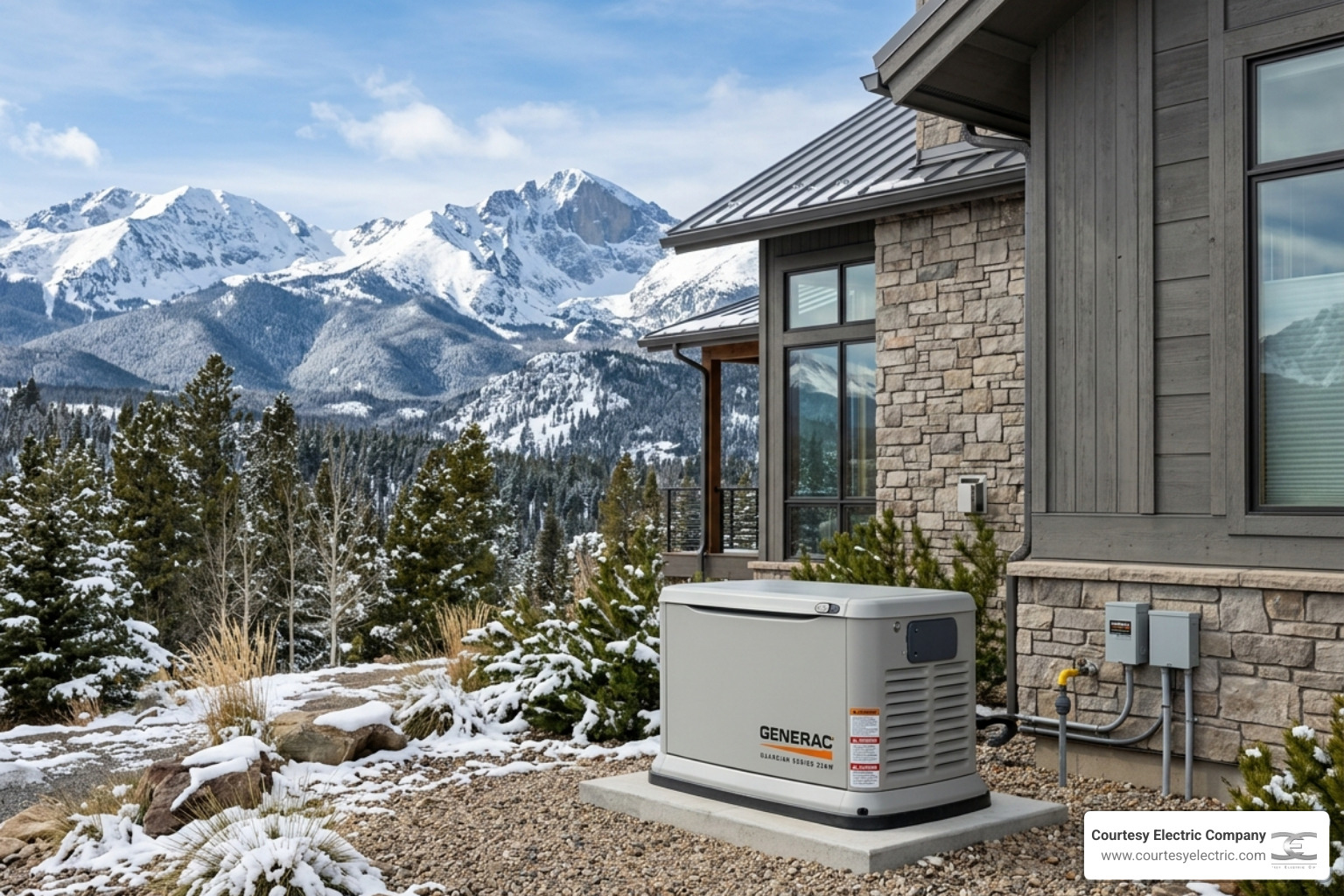
Why Specialized Expertise is the Key to Better Housing Solutions

Why How Multi Family and Residential Expertise Sets Us Apart Matters More Than Ever in 2026

multi family and residential housing development Denver Colorado - how multi family and residential expertise sets us apart

How multi family and residential expertise sets us apart comes down to one thing: understanding that not all housing is built — or wired — the same way.

Here is a quick breakdown of what that difference looks like in practice:

Factor General Electrical Contractor Multi-Family & Residential Specialist
Infrastructure design Basic load estimates Full master planning for high-density systems
Project scope Single unit focus Entire building or development lifecycle
Regulatory knowledge Standard code compliance Fair Housing Act, ADA, HUD, EPA standards
Technology integration Standard installs Smart panels, EV charging, battery storage, microgrids
Risk management Per-job basis Portfolio-level vacancy and cash flow awareness
Community impact Minimal involvement Community engagement and local government collaboration

Housing in Denver and across the Colorado Front Range is getting more complex. Urbanization is pushing demand for multi-family developments — from duplexes to large mixed-use towers — while homeowners are simultaneously asking for smarter, more resilient single-family systems. The US multifamily building market exceeded $110 billion in value in 2021 and has continued to climb. That scale brings serious infrastructure demands that a generalist simply is not equipped to meet.

The gap between a contractor who can wire a building and one who truly understands how multi-family and residential systems differ — in load balancing, shared utilities, code compliance, and long-term durability — is wider than most people realize.

I'm David Meyer, Vice President of Courtesy Electric, a Colorado electrical contractor with roots going back to 1976. Having worked both in the field and in leadership, I've seen how multi family and residential expertise sets us apart from contractors who treat every project the same. That hands-on foundation shapes everything we do — and it's what this article is about.

Infographic showing multi-family development lifecycle stages: acquisition, design, entitlement, construction, operations

Defining the Landscape: Multi-Family vs. Single-Family Properties

To understand why specialized knowledge is vital, we first have to define the playground. In real estate, "residential" is a broad umbrella, but the electrical guts of a single-family home in Parker and a 50-unit apartment complex in Denver are worlds apart.

Multi-family housing is defined as any property with more than one household living in it simultaneously. This ranges from a simple duplex or triplex to garden apartments, high-rise condominiums, and massive student housing complexes. While a single-family home is a self-contained ecosystem, a multi-family building is a shared organism.

Electrical Feature Single-Family Home Multi-Family Development
Utility Feed Single lateral/service drop High-voltage transformers & switchgear
Metering One master meter Complex individual bank metering
Load Balancing Simple household demand High-density diversity factors
Safety Systems Standard smoke/CO detectors Integrated fire alarms & emergency lighting
Common Areas Private lighting/power Shared hallways, elevators, & amenities

The population density in multi-family units creates a unique set of challenges. You aren't just powering one kitchen; you're powering fifty. This requires a massive leap in scalability and a deep understanding of zoning requirements. When we look at our residential services, we see how individual homeowners prioritize comfort and tech. When we look at our Single Family Residential Portfolio, the focus is on bespoke, high-quality installations for a single client. But in multi-family, we are designing for hundreds of stakeholders at once.

How multi family and residential expertise sets us apart in infrastructure design

Infrastructure is where the "magic" happens—or where the disasters begin. For a multi-family project to succeed in 2026, the electrical master planning must be flawless from day one. We don't just look at the blueprints and start pulling wire. We engage in rigorous load calculations to ensure the local grid can handle the surge of a new development.

Our expertise in entitlements and master planning allows us to work alongside developers to ensure the site is viable. High-density wiring isn't just about more wire; it’s about efficient routing, heat dissipation in stacked units, and ensuring that a fault in Unit A doesn't leave Unit B through Z in the dark. You can see the results of this meticulous planning in our Multifamily Residential Portfolio, where we’ve successfully powered large-scale communities across the Front Range.

Unique technical requirements for diverse housing types

Different housing types demand different technical "personalities." A luxury condo high-rise in downtown Denver requires low-voltage integration for smart building access and high-speed data, while a suburban garden apartment might focus more on efficient outdoor lighting and centralized HVAC systems.

Centralized systems—where heating, cooling, or water heating is shared—require specialized control wiring that a standard residential electrician might never encounter. Furthermore, individual metering is a logistical hurdle; every tenant wants to pay only for what they use, requiring us to design complex meter banks that remain accessible for utility companies but secure from tampering. Above all, fire safety compliance is non-negotiable. In a multi-family setting, the electrical system is the backbone of the life-safety network, from smoke evacuation fans to emergency exit illumination. This is the core of what we do in multifamily electrical work: building for safety at scale.

A large-scale apartment complex under construction in the Colorado Front Range with electrical conduits visible - how multi

Multi-family projects aren't just "built"; they are managed through a full lifecycle. Our team doesn't just show up for the "rough-in" and disappear. We understand the acquisition strategies of our partners—knowing that when an investor buys an underperforming asset, they need a contractor who can handle a full electrical "repositioning."

Repositioning often involves taking an older building with outdated, dangerous "Stab-Lok" panels or aluminum wiring and bringing it into the 21st century. This requires operational excellence. We have to perform these upgrades while residents are living there, which takes a level of coordination and respect that goes far beyond basic technical skill. Every electrician on our team is trained to handle these high-pressure, high-stakes environments where risk management is the top priority.

Strategic advantages of how multi family and residential expertise sets us apart

Why do developers choose us? Because we understand the business of real estate. Multi-family investing is prized for its cash flow stability and resilient nature. In 2026, with urbanization demand at an all-time high, a 100-unit building with two vacancies still operates at 98% occupancy. Compare that to a single-family rental where one vacancy equals a 100% loss of income.

Our team brings market insights that help developers secure commercial financing. Lenders want to see that a project has a "future-proof" electrical plan. By including EV charging stations and energy-efficient systems, we help mitigate the risk of future obsolescence. Our MultiFamily Electricians are experts at installing systems that increase the long-term value of the asset, making the property more attractive to institutional investors and residents alike.

Handling complex entitlements and community engagement

Before a single shovel hits the dirt, there is a mountain of paperwork and public meetings. Entitlements—the legal process of getting permission to build—can be a minefield. We assist our partners with site evaluations and value engineering. If a proposed design is too expensive to power, we find a smarter way to do it without sacrificing quality.

We also understand the importance of local government collaboration. In places like Highlands Ranch or Black Forest, community engagement is key. Residents want to know that a new development won't strain the local grid or create light pollution. We design systems that respect these local concerns, using dark-sky-compliant lighting and energy-saving technologies that prove the developer is a "good neighbor."

Innovation and Sustainability in Modern Housing Solutions

The year 2026 has brought a revolution in how we power our lives. It’s no longer just about keeping the lights on; it’s about energy independence. This is where our residential expertise truly shines. We are seeing a massive shift toward smart home technology that allows residents to monitor their usage in real-time.

We specialize in high-end solutions like SPAN panels, which replace the "dumb" breaker box of the past with a smart interface that can prioritize loads during a power outage. Combined with Franklin battery storage, a home or even a small multi-family unit can keep essential systems running indefinitely. For those who want the ultimate peace of mind, we are premier installers of Generac backup power and Cummins generators. These aren't just luxuries anymore; in the face of Colorado's unpredictable weather, they are essential infrastructure.

Solving complex challenges through how multi family and residential expertise sets us apart

The regulatory landscape of 2026 is dense. Between ADA (Americans with Disabilities Act) requirements for accessible switching and EPA regulations regarding energy consumption, there is zero room for error. We ensure that every multi-family project meets HUD standards for safety and habitability.

Our Residential team is specifically trained in the nuances of Fair Housing Act compliance. This means ensuring that electrical outlets, thermostats, and intercoms are at the correct height for all residents. We also focus heavily on energy efficiency. By using LED retrofitting, smart sensors, and high-efficiency transformers, we help property owners reduce their "Triple Net" expenses and improve their bottom line.

Integrating future-proof technology in Denver developments

If you are building in the Front Range today and you aren't thinking about EV charging, you are building a relic. We integrate EV charging stations into every multi-family design, from shared parking garages to individual townhome stalls. But it goes further than that. We are looking at:

  • Microgrids: Allowing a community to generate and store its own power.
  • Sustainable Materials: Using low-carbon conduits and recyclable wiring components.
  • Real-time Data Analytics: Giving property managers the tools to see where energy is being wasted across a 200-unit portfolio.
  • Smart-Grid Readiness: Ensuring the building can "talk" to Xcel Energy or local co-ops to shed load during peak times, saving everyone money.

Frequently Asked Questions about Specialized Housing Expertise

What defines multi-family housing compared to single-family units?

Multi-family housing refers to buildings designed to house multiple separate families or households. The key technical difference lies in the shared infrastructure. While a single-family home has its own dedicated utility connection and yard, multi-family units share walls, floors, roofs, and communal spaces like lobbies or gyms. From an electrical perspective, this means managing a massive "master" service that is then subdivided into individual metered units.

What are the key benefits of multi-family investing in 2026?

The biggest benefit is the economy of scale. It is significantly more efficient to maintain one roof and one electrical service for 20 units than it is for 20 separate houses. Furthermore, multi-family properties offer resilient cash flow; even with a few vacancies, the property remains profitable. In the current 2026 market, the high demand for urban living makes these properties "recession-resilient" assets that attract favorable commercial financing.

Why is specialized electrical expertise critical for multi-family projects?

Because the stakes are higher. If a single-family home has an electrical fault, one family is inconvenienced. If a 100-unit building has a major switchgear failure, 100 families are in the dark, elevators stop working, and fire pumps may fail. Specialized expertise ensures system redundancy, complex load balancing (so everyone can run their AC at 5:00 PM without blowing a fuse), and strict adherence to the life-safety codes that keep high-density communities safe.

Conclusion

At the end of the day, how multi family and residential expertise sets us apart is our commitment to the three pillars of our mission: Quality, Integrity, and Dependability. Whether we are wiring a custom home in Parker or a massive multi-family development in the heart of Denver, we bring the same level of Colorado-bred excellence to the job.

We aren't just contractors; we are partners in building the future of the Colorado Front Range. From the initial design and entitlements to the installation of cutting-edge SPAN panels and Franklin batteries, we provide the specialized knowledge that ensures your housing solution is safe, sustainable, and profitable.

If you are a developer looking for a partner who understands the lifecycle of an asset, or a homeowner looking to protect your family with a Generac standby generator, we are here to help. Learn more about our team and see why Courtesy Electric Company has been the trusted name in Colorado electrical infrastructure since 1976.

Bright Ideas for Spring Outdoor Lighting Maintenance

Why Spring Outdoor Lighting Maintenance Can't Wait

spring outdoor lighting maintenance

Spring outdoor lighting maintenance is the process of inspecting, cleaning, realigning, and testing your outdoor light fixtures after winter — so your system is safe, bright, and ready for the outdoor living season ahead.

Here's a quick overview of what it involves:

  1. Inspect fixtures for cracks, corrosion, and loose mounts
  2. Clean lenses and housings to restore full light output
  3. Replace burned-out or dimming bulbs (consider upgrading to LED)
  4. Realign path lights and uplights shifted by frost heave or ground movement
  5. Trim overgrown vegetation blocking light beams
  6. Test timers, motion sensors, and photocells for the new season
  7. Check wiring and low-voltage transformers for damage or voltage drops

Winter is hard on outdoor lighting. Freezing temperatures, moisture, and shifting ground can knock fixtures out of alignment, crack lenses, and leave wiring exposed. Then spring arrives — and with it, new plant growth that can quickly block the beams you spent time positioning last fall. By the time you notice a flickering path light or a dark corner of your yard, the problem may have been building for months.

The good news? A focused spring checkup can catch most of these issues early, before they turn into costly repairs or safety hazards. Regular upkeep also extends the life of your fixtures — quality low-voltage LEDs, for example, can last up to 50,000 hours according to the U.S. Department of Energy, but only when the system supporting them is properly maintained.

I'm David Meyer, Vice President of Courtesy Electric — a Colorado-based electrical contractor with nearly 50 years of experience serving homes and properties across the Front Range, where freeze-thaw cycles make spring outdoor lighting maintenance especially critical. In this guide, I'll walk you through exactly what to check, clean, and fix this season so your outdoor lighting performs at its best all year long.

Spring outdoor lighting maintenance checklist infographic with steps: inspect, clean, replace, realign, trim, test, and

Why Spring is the Ideal Time for Maintenance

beautifully lit Colorado landscape in spring April 2026 - spring outdoor lighting maintenance

As we move into April 2026, homeowners across the Denver area and the Colorado Front Range are starting to see the first signs of spring. This transition period is about more than just planting flowers; it is the absolute best time to address your exterior electrical needs. During the winter, the ground undergoes "frost heave"—a process where moisture in the soil freezes and expands, literally pushing light fixtures and stakes out of the ground.

When the ground thaws in the spring, these fixtures often settle in crooked positions or with loose mounts. Furthermore, the shift in daylight savings time means your timers are likely out of sync with the actual sunset. Performing spring outdoor lighting maintenance now ensures that your curb appeal is restored and your property remains secure as you begin spending more time outside.

Restoring Performance After Winter

Colorado winters are notorious for heavy snow accumulation and rapid temperature swings. These conditions often lead to moisture ingress, where melting snow finds its way into unsealed fixtures, potentially causing shorts or corrosion. Additionally, salt from driveways and general winter grime can coat your lenses, significantly dimming the light output. To keep your system running efficiently, check out these Landscape Lighting Maintenance Tips Fraser CO to help combat the effects of our unique high-altitude climate.

Preparing for Outdoor Living Season

Spring is the gateway to evening entertainment on the patio and backyard barbecues. Properly maintained lighting increases your property value and ensures high visibility for guests navigating walkways. Beyond aesthetics, functional lighting is a core part of our Residential Electrical Services, providing the safety and security every Front Range homeowner deserves.

Your Essential Spring Outdoor Lighting Maintenance Checklist

To get your system back in peak shape, we recommend a systematic approach. A thorough visual inspection is the first step, followed by deep cleaning and technical testing. If you are new to the area or just installed a system, our Landscape Lighting Guide Winter Park CO offers a great foundation for understanding how these systems should look when they are working correctly.

Step-by-Step Spring Outdoor Lighting Maintenance: Cleaning

Before you start, always ensure the power is off to avoid any electrical mishaps.

  • Lenses: Use a microfiber cloth and a mild, pH-neutral detergent to wipe away pollen, mud, and hard water stains. Avoid abrasive cleaners that can scratch glass or plastic lenses.
  • Housings: Wipe down the metal or plastic housings to remove spider webs and debris.
  • Insects: Open up any non-sealed fixtures to remove dead insects that may have crawled inside seeking warmth during the winter. Restoring lens clarity can improve your light output by as much as 20% to 30%. If you notice any moisture trapped inside a "sealed" fixture, it may be time for a professional Electrical Service to reseal or replace the unit.

Inspecting for Damage and Wear

Walk your property during the day to look for physical red flags. Check for cracked housings, which are common after a heavy hail season or if a snowplow got a bit too close to the driveway. Look for loose mounts where the soil has softened. Corrosion on the sockets or fixtures is another sign that moisture has compromised the system. For those in more rugged terrain, reviewing the Best Landscape Lighting Services in Winter Park CO can provide insight into the durable fixtures required for mountain environments.

Cleaning and Inspecting Fixtures for Damage

Different materials require different levels of care. While brass and copper fixtures develop a natural patina that many homeowners love, aluminum and plastic fixtures need regular cleaning to prevent the finish from pitting or fading.

Fixture Type Cleaning Frequency Recommended Cleaner
Path Lights Monthly Mild soap & water
Flood/Spot Lights Quarterly Non-abrasive glass cleaner
Well Lights Every 2 Months Clear debris from lens
Transformers Seasonally Dry cloth (check for pests)

Checking Wiring and Connections

One of the most common issues we see during spring outdoor lighting maintenance is exposed cabling. Shifting soil or hungry local wildlife can damage low-voltage wires. If you see wires peeking through the mulch, they are at risk of being cut by a lawnmower or shovel. Inspect for frays or chew marks, especially near the base of the fixtures. Ensuring your wires are properly buried and protected is essential for long-term reliability, as noted in our guide for Landscape Lighting in Fraser CO.

Testing Transformers and Controls

Your transformer is the heart of your system. Check it for "humming" sounds or excessive heat, which could indicate an overload or a looming failure. Use a multimeter to check for voltage drops at the end of long runs. This is also the time to test your Lighting Control systems. Ensure photocells are clean so they accurately detect sunset, and recalibrate motion sensors that might have been triggered by blowing snow all winter.

Managing Vegetation, Realignment, and LED Upgrades

As the Colorado sun gets stronger in April and May, your plants will start to grow—fast. This growth can quickly turn a beautiful accent light into a glare-inducing nuisance or hide a path light entirely.

Adjusting Spring Outdoor Lighting Maintenance for New Growth

Take a walk through your yard at night to see how the "light portraits" have changed.

  • Pruning: Trim back any branches or shrubs that are touching the fixtures.
  • Realignment: Adjust the angle of your uplights to account for new canopy growth.
  • Overlap: Path lights should ideally have a 30% to 50% beam overlap to ensure there are no dark "trip hazards" between fixtures. Properly managing your foliage ensures that your lights highlight your landscape rather than getting swallowed by it. For more tips on design, see the Best Landscape Lighting Guide Centennial CO.

The Benefits of Upgrading to LED

If you are still using old halogen bulbs, spring outdoor lighting maintenance is the perfect time to switch to LED. Quality low-voltage LEDs can last up to 50,000 hours, which is nearly 25 times longer than traditional bulbs. They are incredibly energy-efficient and come in various color temperatures. We typically recommend a warm 2700K to 3000K for residential landscapes to create an inviting, high-end look. Upgrading is a simple way to modernize your Residential Electrical Services and lower your monthly utility bills.

Frequently Asked Questions about Spring Outdoor Lighting Maintenance

How often should I clean my outdoor light fixtures?

We recommend a deep clean every 3 to 6 months. In the Denver area, pollen season in late spring and dust storms can create a film on your lenses faster than you might expect. A quick monthly wipe-down of path lights will keep them looking their best between major maintenance sessions.

Can I replace my own landscape lighting bulbs?

Yes, most homeowners can handle bulb replacement. However, you must ensure the new bulbs are compatible with your transformer's voltage (usually 12V for landscape systems) and match the wattage of the existing system to avoid overloading the circuit. Always turn off the power before reaching into a fixture.

What are the signs that my lighting system needs professional repair?

If you notice flickering lights, dimming across an entire zone, or breakers that frequently trip, there is likely an underlying electrical issue like a short circuit or a failing transformer. Persistent moisture inside a "sealed" unit is also a sign that the fixture's integrity has failed. In these cases, it's safest to call for a professional Electrical Service to diagnose the problem.

Conclusion

Taking the time for spring outdoor lighting maintenance ensures that your home remains a beacon of safety and beauty throughout the year. From the Highlands Ranch to the Black Forest, the unique Colorado climate demands a little extra TLC for our outdoor electrical systems. Whether you are looking for a simple tune-up or a full system upgrade to modern LED technology, our team at Courtesy Electric Company is here to help.

We have been serving the Denver and Colorado Front Range area since 1976, specializing in everything from smart home integrations to robust backup power solutions. Don't let a minor winter issue turn into a major summer headache. Schedule your professional spring outdoor lighting maintenance with Courtesy Electric Company today and let us help you keep your property shining bright.

Essential Electrical Safety Tips for a Spark-Free Home

Why Electrical Safety Tips Every Homeowner Should Know Can Save Lives — and Your Home

electrical safety tips every homeowner should know

Electrical safety tips every homeowner should know can mean the difference between a safe home and a devastating fire or injury. According to the U.S. Consumer Product Safety Commission, roughly 31,000 home electrical fires occur every year — and the majority happen while families are asleep, between midnight and 6:00 a.m.

Here are the core electrical safety tips every homeowner should prioritize:

  1. Schedule annual electrical inspections with a licensed electrician
  2. Install GFCI outlets in kitchens, bathrooms, garages, and outdoor areas
  3. Never overload outlets or power strips with high-wattage appliances
  4. Replace frayed or damaged cords immediately — don't tape or ignore them
  5. Use extension cords temporarily only — never as permanent wiring
  6. Install AFCI breakers to protect against dangerous arc faults
  7. Know where your main breaker is and how to shut off power quickly
  8. Test GFCI outlets monthly and smoke detectors regularly
  9. Unplug appliances when not in use, especially overnight
  10. Call a licensed electrician for anything beyond basic tasks like changing a bulb

Electricity powers everything we rely on daily — but faulty wiring, overloaded circuits, and ignored warning signs quietly put homes at risk. The National Fire Protection Association reports that damaged or faulty wiring alone accounts for 69% of all electrical fires. That's a staggering number, and most of those fires were preventable.

Whether your Colorado Front Range home is decades old or newly built, electrical hazards don't announce themselves. They build slowly — behind walls, inside panels, and under rugs — until something goes wrong.

I'm David Meyer, Vice President of Courtesy Electric, a Colorado electrical contracting company with roots going back to 1976, and I've seen how the right knowledge and the right habits keep families safe — because electrical safety tips every homeowner should know aren't just good advice, they're essential protection for your home and everyone in it. In this guide, I'll walk you through the most important steps you can take right now, room by room and system by system.

Room-by-room home electrical safety checklist infographic for homeowners - electrical safety tips every homeowner should

Identifying Hazards and Electrical Safety Tips Every Homeowner Should Know

Identifying potential electrical hazards is the first step toward a safer home. Many homeowners assume that if the lights turn on, everything is fine. However, research shows that faulty or damaged wiring and related equipment cause 69 percent of electrical fires. These issues often hide behind your drywall or inside your Electrical Service panel.

flickering lights in a living room indicating potential electrical issues - electrical safety tips every homeowner should

How do you know if your home is trying to tell you something? You have to look for the "silent" warning signs. One of the most common indicators is flickering or dimming lights, which often suggests a circuit is being overloaded or that there is a loose connection somewhere in the system.

Other red flags include:

  • Persistent Burning Odors: If you smell something like burning plastic or ozone near an outlet or the breaker box, shut off the power immediately. This is a sign of arcing or melting insulation.
  • Buzzing or Sizzling Sounds: Electricity should be silent. If you hear a hum or a pop coming from a switch or outlet, it’s a sign of a loose wire or a failing component.
  • Warm Outlets or Switches: If a wall plate feels hot to the touch, it indicates that the electrical load is too high or the wiring is deteriorating.
  • Tripped Breakers: While breakers are designed to trip to prevent fires, frequent tripping means your system is struggling to keep up with your modern power demands.
  • Pest Damage: In the Denver area, squirrels and mice are notorious for nesting in attics and chewing on wire insulation. Exposed copper is a massive fire risk.

If you notice any of these signs, don't wait for "someday" to fix them. These are immediate indicators that your home's infrastructure needs professional attention to prevent a spark from becoming a disaster.

How Can I Prevent Shocks in My Denver Kitchen or Bathroom?

Water and electricity are a lethal combination. In areas like kitchens, bathrooms, and laundry rooms, the risk of electrical shock increases significantly. This is where Ground Fault Circuit Interrupters (GFCIs) become your best friend.

A GFCI is a specialized outlet designed to protect people from electrocution. It works by monitoring the flow of electricity; if it detects an imbalance as small as 1/2000 of an amp, it shuts off the power in a fraction of a second. This is fast enough to prevent a deadly shock if, for example, a hair dryer falls into a filled sink.

For Homeowners in the Front Range, ensuring GFCIs are installed in all "wet zones" is a non-negotiable safety standard. This includes:

  • Kitchens: All outlets serving countertop areas.
  • Bathrooms: Every single outlet must be GFCI-protected.
  • Garages and Basements: These areas often have damp concrete floors that can ground a person, increasing shock risk.
  • Outdoor Areas: Exterior outlets must not only be GFCIs but should also have weatherproof "in-use" covers to keep moisture out even when something is plugged in.

Electrical safety tips every homeowner should know for wet zones

To keep your family safe around water sources, follow these specific practices:

  • The Monthly Test: GFCIs can fail internally while still providing power. Every month, press the "Test" button to ensure the power cuts out, then press "Reset." If it doesn't trip, the outlet is faulty and must be replaced.
  • Dry Hands Only: Never touch a switch, plug, or appliance with wet hands.
  • Unplug Small Appliances: When you aren't using the toaster, blender, or curling iron, unplug it. If an appliance falls into water while plugged in, it can still be live even if it's turned off.
  • Keep Distance: Keep all electrical devices at least three feet away from tubs, sinks, and showers.

Are My Extension Cords and Outlets Creating a Fire Risk?

Extension cords are one of the most misused items in modern homes. The National Fire Protection Association estimates that roughly 3,300 home fires originate in extension cords each year, resulting in 50 deaths and hundreds of injuries.

The most important thing to remember is that extension cords are for temporary use only. They are not designed to be a permanent extension of your home's wiring. When used long-term, the insulation can degrade, and the cord can overheat.

Avoid "daisy-chaining," which is the dangerous practice of plugging one power strip or extension cord into another. This creates excessive heat and can easily melt the plastic casing, leading to a fire. If you find yourself relying on power strips for Low Volt electronics or daily appliances, it’s a sign that your home needs more permanent outlets installed.

Feature Extension Cords Permanent Wiring
Intended Use Temporary (holidays, projects) Permanent (daily power)
Durability Vulnerable to foot traffic/crushing Protected behind walls/conduit
Safety High trip and fire hazard Lowest risk when installed to code
Capacity Limited by wire gauge (AWG) Sized for specific circuit loads

Electrical safety tips every homeowner should know for childproofing outlets

If you have young children or pets, standard outlets pose a significant risk. Curious toddlers often try to insert metal objects like keys or paperclips into the slots.

To prevent these accidents, we recommend:

  • Tamper-Resistant Receptacles (TRRs): These are modern outlets with built-in shutters that only open when equal pressure is applied to both sides (like when you plug in a cord). They are much safer than plastic "plugs" that kids can easily pull out and choke on.
  • Cord Management: Keep cords tucked away behind furniture so they aren't a "pull" temptation for kids or a "chew toy" for pets.
  • Education: Teach children from a young age that outlets are "hot" and only for adults to use.
  • Safe Storage: Store unused appliances and their cords in high cabinets where little hands can't reach them.

When Should I Schedule a Professional Electrical Inspection in the Front Range?

As we move through April 2026, it's important to realize that many homes in the Denver area were built during eras with different electrical standards. An annual electrical inspection is the best way to catch aging components before they fail.

If your home was built between the late 1960s and mid-1970s, it might have aluminum wiring. Aluminum expands and contracts more than copper, which can lead to loose connections and fires. A professional can check these connections and "pigtail" them with copper to ensure safety.

Another critical safety component is the Arc-Fault Circuit Interrupter (AFCI). While GFCIs protect against shocks, AFCIs protect against fires. They detect dangerous "arcing"—invisible sparks that occur when a wire is damaged or pinched—and shut off the circuit before a fire can start. Arc faults cause a whopping 30,000 home fires throughout the U.S. each year. Modern codes require AFCIs in most living areas, and upgrading your panel to include them is a smart move for any homeowner.

At Courtesy Electric, we pride ourselves on Quality, Integrity & Dependability. When you Schedule an inspection, we look at everything from your grounding system to the health of your breakers. Plus, our work is backed by a solid Warranty, giving you peace of mind that your home is in expert hands.

Frequently Asked Questions about Home Electrical Safety

What DIY electrical tasks are safe for homeowners?

Most electrical work should be left to the pros, but there are a few things you can safely handle:

  • Changing Light Bulbs: Always match the wattage to the fixture's rating. If a fixture is unmarked, use a 60-watt bulb or an LED equivalent to avoid overheating.
  • Resetting Breakers: If a circuit trips, you can flip it back to the "on" position once. If it trips again immediately, stop and call an expert.
  • Testing GFCIs: As mentioned, you should test your GFCIs monthly using the built-in buttons.
  • Dusting: Keeping your exhaust fans and the area around your electrical panel clean and free of dust can prevent overheating.

For anything involving opening the panel, adding new circuits, or troubleshooting a dead outlet, please Contact a licensed electrician.

How do I create a home electrical emergency plan?

Every second counts during an electrical emergency. Here is how to prepare:

  1. Locate the Main Breaker: Ensure every adult in the home knows how to find the main service panel and flip the large "Main" switch to kill all power to the house.
  2. Keep It Accessible: Never block your electrical panel with boxes, shelves, or furniture. You need to reach it instantly in the dark.
  3. Fire Extinguishers: Keep a Class C (or A-B-C) fire extinguisher on every floor. Class C is specifically designed for electrical fires because the chemicals are non-conductive. Never use water on an electrical fire!
  4. Emergency Contacts: Keep our number and local emergency services saved in your phone. If you see smoke or fire from an outlet, evacuate and call 911 first. Integrating Home Security systems with smoke and heat detectors can also provide an early warning.

What appliances should never be plugged into extension cords?

High-wattage "heat-producing" or "cooling" appliances draw a massive amount of current and should always be plugged directly into a wall outlet. These include:

  • Space Heaters: These are a leading cause of winter fires when plugged into thin extension cords.
  • Refrigerators and Freezers: The compressor kick-start can easily overheat a power strip.
  • Air Conditioners: Window units require a dedicated, high-capacity circuit.
  • Microwaves and Toasters: These draw significant power in short bursts that can degrade temporary cords.

Conclusion

Your home’s electrical system is the heartbeat of your daily life, but it requires respect and regular maintenance. By following these electrical safety tips every homeowner should know, you are taking active steps to protect your property and your loved ones from preventable hazards.

From the initial infrastructure design to the latest in smart home technology, Courtesy Electric Company is dedicated to providing the Denver and Colorado Front Range community with the highest standard of Electrical Service. Whether you need a simple safety inspection, an electrical panel upgrade, or a robust backup power solution like a Generac generator or Franklin battery storage, we are here to help.

Don't wait for a flicker or a smell of smoke to take action. Take a walk through your home today, check your cords, test your GFCIs, and give us a call for a professional evaluation. Let’s keep your Colorado home bright, powered, and—most importantly—safe.

Warning Signs Your Home Wiring Is Trying to Tell You Something

Your Home's Electrical System Is Talking — Are You Listening?

how to spot electrical problems before they become dangerous

How to spot electrical problems before they become dangerous is something every homeowner should know — especially in older Colorado Front Range homes where wiring can quietly deteriorate behind walls for years.

Here are the most common warning signs to watch for right now:

  • Burning or fishy smell near outlets, switches, or panels — stop using the area and call an electrician immediately
  • Flickering or dimming lights — often signals overloaded circuits or loose wiring connections
  • Buzzing, humming, or crackling sounds from outlets or your panel — indicates arcing from loose or damaged wiring
  • Warm or discolored outlets and switch plates — a sign of overloading or faulty wiring that can cause fires
  • Frequently tripping circuit breakers — your panel is telling you something is wrong, not just inconvenient
  • Sparks from outlets or loose receptacles — stop using them immediately and have them inspected
  • Two-prong outlets, aluminum wiring, or knob-and-tube systems — outdated wiring that can't handle modern electrical loads
  • Missing GFCI outlets in kitchens, bathrooms, or outdoor areas — a serious shock hazard near water
  • Heavy reliance on extension cords — a sign your home doesn't have enough circuits for your current needs

According to the Electrical Safety Foundation International, electrical malfunctions ignite more than 51,000 home fires every year in the United States. Most of those fires don't start without warning — they start after homeowners ignored early signals their system was under stress.

Electrical problems rarely appear out of nowhere. Your home gives you clues — smells, sounds, and visual signs — long before a dangerous situation develops. The key is knowing what those clues mean and acting on them quickly.

I'm David Meyer, Vice President of Courtesy Electric, a Colorado electrical contracting company with roots going back to 1976 — and knowing how to spot electrical problems before they become dangerous is something I've seen make the difference between a quick fix and a devastating fire. Let's walk through exactly what to look for in your home.

Infographic showing 9 common home electrical warning signs and what each one means - how to spot electrical problems before

Sensory Red Flags: How to Spot Electrical Problems Before They Become Dangerous

When we talk about electrical safety in April 2026, we focus heavily on the sensory experience. Your eyes, ears, and nose are often the first line of defense in identifying a hazard. Electricity is designed to be a silent, invisible helper. When it starts making itself known through smells or sounds, it’s usually because energy is escaping where it shouldn’t.

A common sign of trouble is a "fishy" smell. While it sounds strange, many modern electrical components use plastic and heat-resistant chemicals that emit a distinct, acousitcally "off" or fishy odor when they begin to melt. If you smell something burning but can't find the source in the kitchen, check your outlets. This is a toxic indicator of damaged wiring hidden behind your drywall.

Visual cues like flickering or dimming lights are also major red flags. While we might joke about a "ghost" in the house, flickering is usually caused by a poor connection or an overloaded circuit. If your lights dim every time the refrigerator kicks on, your Electrical Service is struggling to keep up with the demand.

What Buzzing and Humming Indicates in Your Walls

Electricity should flow silently. If you hear a buzzing, humming, or crackling sound coming from a switch or an outlet, you are likely hearing "arcing." Arcing happens when electricity jumps across a gap in a circuit — essentially a tiny, continuous lightning strike inside your wall.

This is often caused by loose connections or frayed wiring. Over time, the vibration of the electrical current or the natural expansion and contraction of wires can loosen screws at the terminal. This creates resistance, which generates heat. If you notice these sounds, especially when using Landscape Lighting Maintenance Tips Fraser CO or high-power exterior features, it’s a sign of electrical wear that requires professional attention.

Why Burning Smells Require Immediate Action

If you detect a smell of burning plastic or ozone near your electrical panel or an outlet, this is a true emergency. It means the insulation on your wires is already melting. Once the insulation is gone, the raw wires can touch, creating a short circuit that can reach temperatures up to 35,000 degrees Fahrenheit.

Immediate steps to take:

  1. Shut off the power: Go to your breaker panel and turn off the circuit involved. If you can't tell which one it is, use the main shut-off.
  2. Unplug devices: Remove any appliances from the affected area.
  3. Evacuate if necessary: If you see smoke or the smell intensifies, get everyone out and call 911.
  4. Call a pro: An emergency inspection is the only way to ensure the fire hazard has been neutralized.

A scorched electrical outlet showing brown heat damage around the plug holes - how to spot electrical problems before they

Why Your Circuit Breakers and Outlets Are Acting Up

Your circuit breaker is the "brain" of your home's safety system. Its only job is to trip and cut power when it detects too much current flowing through the wires. If your breakers trip frequently, it’s not just an annoyance; it’s a warning that you are exceeding the safe capacity of your home’s wiring.

Frequent tripping can be caused by:

  • Overloaded Circuits: Plugging too many high-draw items (like space heaters or hair dryers) into one circuit.
  • Short Circuits: A "hot" wire touching a neutral wire.
  • Ground Faults: Electricity escaping the circuit to find a path to the ground (common in wet areas).

If you are setting up a high-performance area, such as a media room, following a Home Theaters Maintenance Guide Centennial CO can help you ensure you aren't overloading a single 15-amp circuit with speakers, projectors, and amplifiers.

How to Spot Electrical Problems Before They Become Dangerous in Your Kitchen and Bathrooms

Water and electricity are a deadly combination. This is why Ground Fault Circuit Interrupter (GFCI) outlets are required in kitchens, bathrooms, laundry rooms, and outdoor spaces. A GFCI monitors the flow of electricity and can shut off the power in as little as 1/40th of a second if it detects a leak.

You can identify these by the "Test" and "Reset" buttons on the face of the outlet. If your kitchen or bathroom lacks these, or if they don't pop when you hit the test button, you are at a high risk for electric shock. We recommend testing these monthly. If you have outdoor amenities, checking them against a Fire Features Maintenance Guide Granby CO ensures your exterior safety devices are also up to code.

The Danger of Sparks and Loose Receptacles

Are sparks from outlets normal? Usually, no. A tiny blue spark when you plug in a high-draw appliance can be normal (similar to static electricity), but a large spark, a "pop," or a yellow/white spark is a sign of a short circuit.

Loose receptacles are another hidden danger. If a plug feels wobbly or falls out of the outlet easily, the metal contact points inside have worn out. This creates a poor connection, which leads to arcing and heat buildup. This minor issue is a leading cause of electrical fires, but fortunately, it's a quick and inexpensive fix for a licensed electrician. Even when maintaining outdoor areas, such as using a Fire Features Maintenance Winter Park Guide, ensure all exterior plugs are seated firmly in weather-proof housings.

Identifying Outdated Wiring and Panel Risks in Older Denver Homes

The Denver Front Range is full of beautiful historic homes, but many still rely on outdated electrical infrastructure. If your home was built before 1970, there is a high probability that your wiring wasn't designed for the "always-on" digital world of 2026.

Aluminum Wiring: Common in homes built between 1965 and 1973, aluminum wiring expands and contracts more than copper. This causes connections to loosen over time, leading to a fire risk that is 55 times higher than copper-wired homes.

Knob-and-Tube: Found in homes from the 1880s to the 1940s, this system lacks a ground wire. It uses ceramic "knobs" and "tubes" to run wires through joists. While it was innovative then, it is dangerous now because the cloth insulation becomes brittle and flakes off, leaving bare wires exposed.

If you rely on backup power, like a standby generator, it is vital to follow a Generators Maintenance Guide Fraser CO to ensure your transfer switch and old wiring can handle the transition during a blackout.

Modern Breakers vs. Old Fuse Boxes

Feature Modern Circuit Breaker Old Fuse Box
Safety Automatically trips and can be reset Fuses blow and must be replaced
Capacity Designed for 100-200+ Amps Often limited to 60 Amps
Risk High reliability High risk of "over-fusing" (fire hazard)
Insurance Preferred by providers May lead to denied coverage

How to Spot Electrical Problems Before They Become Dangerous in Homes Over 50 Years Old

If your home is over 50 years old, the insulation on the wiring is likely reaching the end of its lifespan. Modern appliances like air fryers, EV chargers, and high-end HVAC systems pull much more power than the lights and radios of the 1950s.

Using a Generators Fraser CO Complete Guide can help you understand how a modern backup system integrates with an older home, but often, a full panel upgrade is the first step. Insurance companies in Colorado are increasingly refusing to cover homes with ungrounded two-prong outlets or active knob-and-tube systems because the fire risk is simply too high.

When to Consider a Panel Upgrade or Smart System

Your electrical panel is the heart of your home. If you see rust or corrosion on the outside of the panel, it is almost certain there is moisture damage on the inside. Moisture leads to resistance, resistance leads to heat, and heat leads to fire.

In 2026, we are seeing a massive shift toward smart panels like the SPAN panel. These allow you to monitor your energy usage in real-time from your phone and prioritize which circuits stay on during a power outage. If you are investing in Battery Storage Maintenance in Winter Park CO, a smart panel helps you stretch your battery life significantly. Combining this with the Best Generators Services in Fraser CO ensures your Front Range home remains powered and safe regardless of the weather.
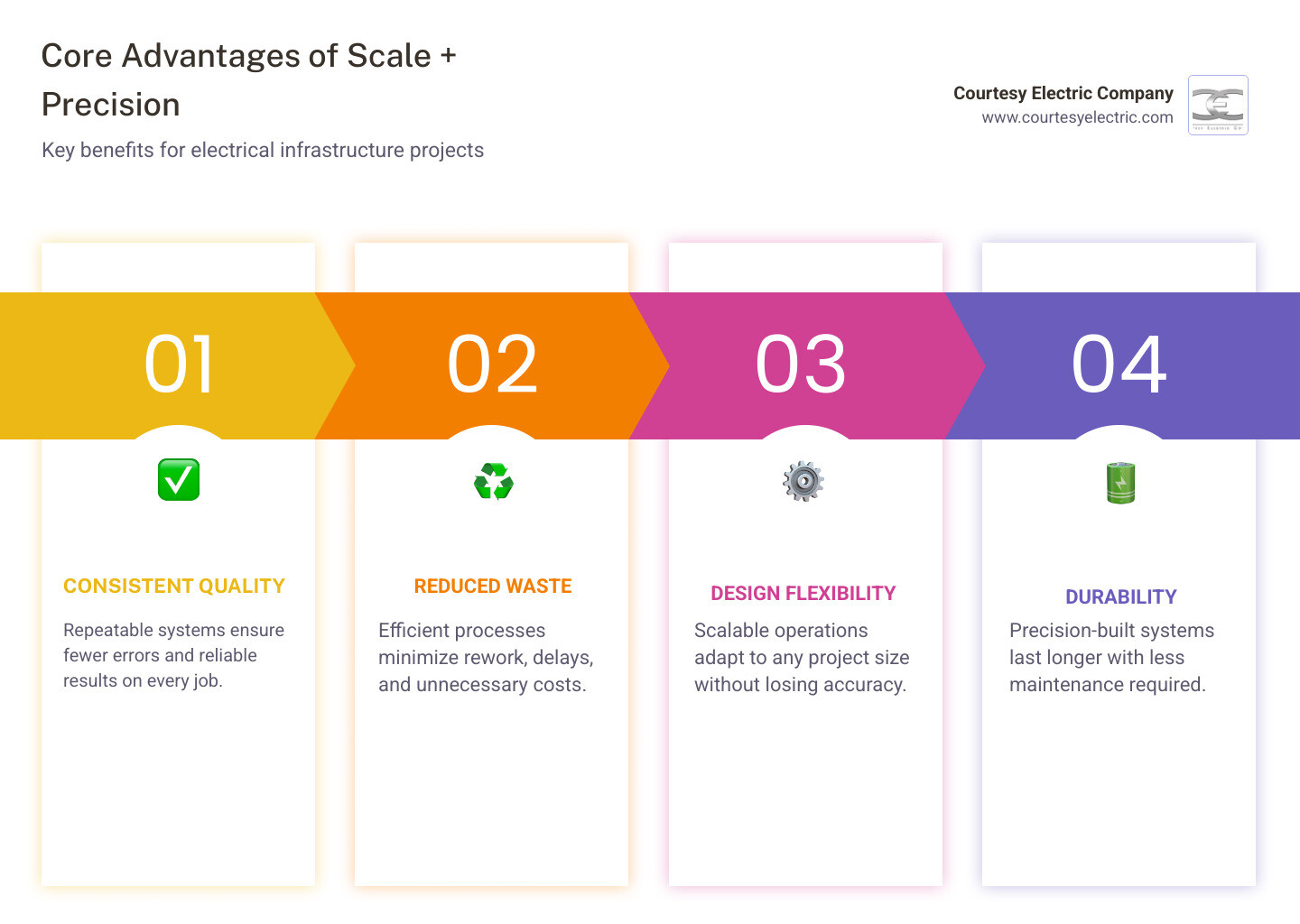
Proactive Steps to Protect Your Front Range Property

One of the biggest mistakes homeowners make is the long-term use of extension cords. Extension cords are intended for temporary use — think holiday lights or a weekend project. They are not designed to be permanent wiring. If you have cords running under rugs or stapled to baseboards, you are creating a friction and heat hazard.

Heavy reliance on power strips is also a sign that your home needs more outlets. "Daisy-chaining" (plugging one power strip into another) is a major fire code violation. If you find yourself doing this in your home office or entertainment center, refer to Home Theaters Maintenance Tips Granby CO for advice on proper power distribution.

The Consumer Product Safety Commission recommends a professional electrical inspection every 10 years. If you’ve recently added a Battery Storage Maintenance Guide Granby CO routine to your home care, it’s the perfect time to have a licensed electrician look at the rest of your system.

Frequently Asked Questions about Home Electrical Safety

Why do my lights dim when the vacuum starts?

This usually happens because the vacuum and the lights are on the same circuit. The vacuum requires a large "surge" of power to start its motor, which causes a momentary voltage drop for everything else on that wire. While common, it indicates that your circuits are near their capacity. We often recommend installing dedicated lines for high-draw appliances to prevent this.

Are small sparks from an outlet ever normal?

A quick, blue flash when you plug something in is often just a "spark of connection" as the circuit is completed. However, yellow or white sparks, sparks that last longer than a split second, or sparks accompanied by a "pop" or burning smell are signs of a short circuit or a faulty outlet.

How often should I test my GFCI outlets?

You should test them once a month. Simply press the "Test" button — you should hear a click and the "Reset" button should pop out. If the power doesn't cut off, or if the button won't stay in when you reset it, the GFCI is faulty and must be replaced immediately to protect you from shocks.

Conclusion

At Courtesy Electric Company, we believe your home should be a sanctuary, not a source of stress. Since 1976, we’ve helped Denver and Front Range families stay safe by modernizing their electrical systems, from simple outlet repairs to installing sophisticated Generac generators and SPAN smart panels.

Knowing how to spot electrical problems before they become dangerous is the first step in responsible homeownership. If you’ve noticed any of the signs we discussed — the smells, the sounds, or the flickering lights — don’t wait for a "more convenient" time to fix it. Electrical issues only get more expensive and more dangerous the longer they are ignored.

Whether you are in Parker, Highlands Ranch, or the Black Forest, our team is ready to provide quality installations and peace of mind. Contact us today for a free estimate and let’s make sure your home’s electrical system is working for you, not against you.

Electrical Service

The Homeowner's Guide to Knowing When DIY Electrical Is a Bad Idea

Why Knowing When to Call an Electrician vs DIY Could Save Your Home

homeowner inspecting a modern circuit breaker panel - when to call an electrician vs diy

When to call an electrician vs DIY is one of the most important decisions a homeowner can make — and getting it wrong can mean a house fire, a failed inspection, or a denied insurance claim.

Here's a quick breakdown to help you decide:

Task DIY Safe?
Replacing a light bulb Yes
Swapping a decorative outlet cover Yes
Resetting a tripped breaker (once) Yes
Replacing a like-for-like light fixture With caution
Installing a dimmer or USB outlet With caution
Adding a new circuit No — call a pro
Upgrading your electrical panel No — call a pro
Installing an EV charger No — call a pro
Whole-home rewiring No — call a pro
Any work involving the main panel No — call a pro

The short answer: Stick to simple, like-for-like replacements that don't involve new wiring or the electrical panel. For anything beyond that, hire a licensed electrician.

Electrical failures cause over 50,000 home fires every year in the United States. Nearly 400 people die annually from home electrical fires, and improper DIY electrical work is a major contributing factor — responsible for roughly 500 deaths and $1.3 billion in property damage. Those aren't abstract numbers. They represent real homes, real families, and real mistakes that seemed small at the time.

The modern home runs on a complex web of wiring, breakers, and load-bearing circuits that are largely invisible until something goes wrong. And when something does go wrong with electricity, it rarely gives you a warning before it becomes dangerous. Unlike a leaky faucet or a squeaky door, a faulty wire connection can smolder behind a wall for weeks before igniting.

This guide is designed to help Colorado Front Range homeowners draw a clear, honest line between what's safe to handle yourself and what needs a licensed professional — no guesswork, no risk-taking.

I'm David Meyer, Vice President of Courtesy Electric Company, a Colorado electrical contractor with roots going back to 1976, and understanding when to call an electrician vs DIY has been central to everything I've learned working from the field up through the business side of this trade. Let's walk through exactly where that line is — so you can make confident, safe decisions about your home's electrical system.

DIY vs professional electrician decision guide with residential electrical fire statistics and safe task checklist - when to

Safe Home Projects: When to Call an Electrician vs DIY for Minor Tasks

professional using a non-contact voltage tester on a wall outlet to ensure power is off - when to call an electrician vs diy

We all love the satisfaction of a "quick win" around the house. In April 2026, with smart devices becoming even more prevalent in Denver homes, the urge to DIY is stronger than ever. However, safety must always be your North Star. Before you even touch a screwdriver, you need a basic tool kit: a non-contact voltage tester, a pair of insulated pliers, and a reliable screwdriver.
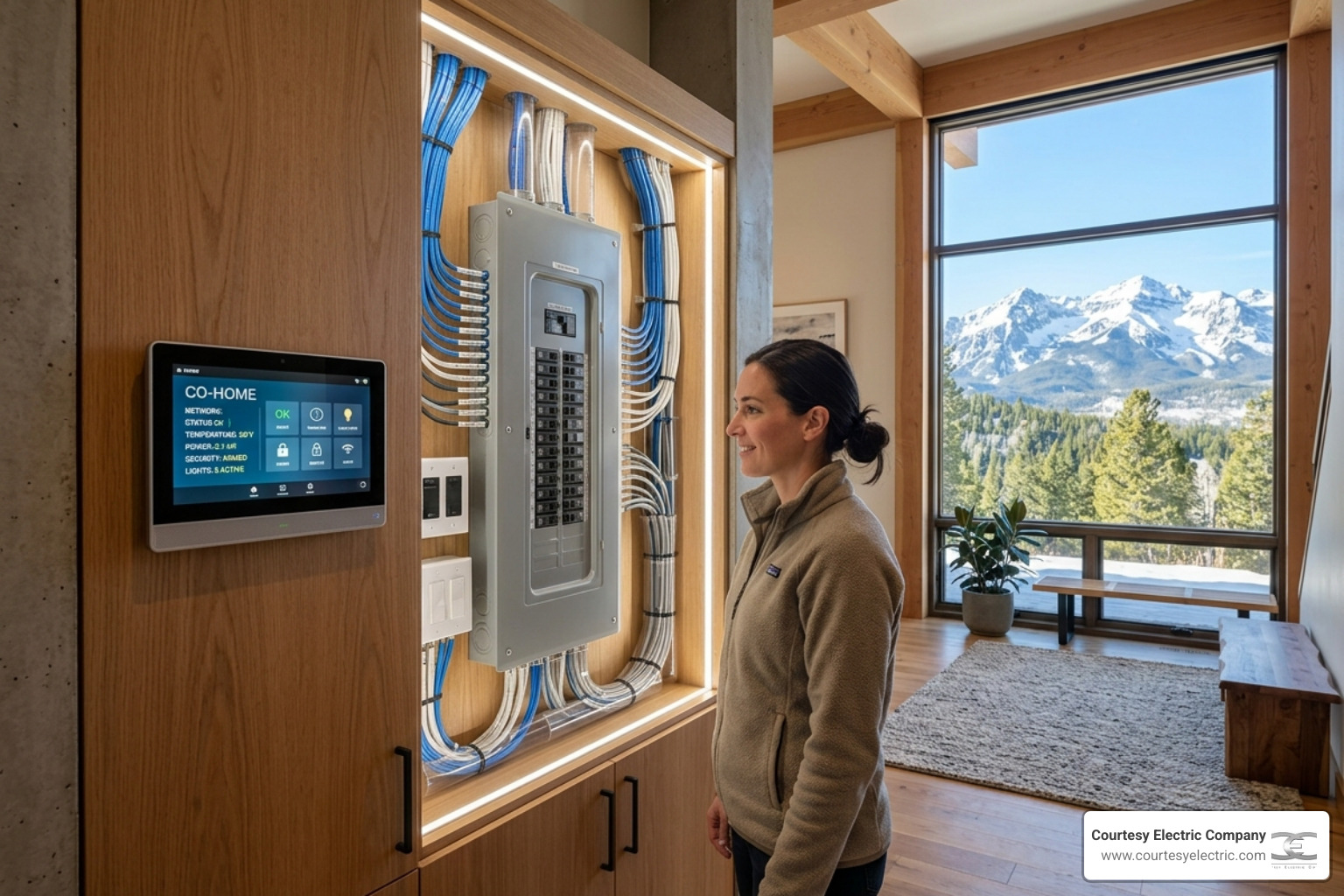

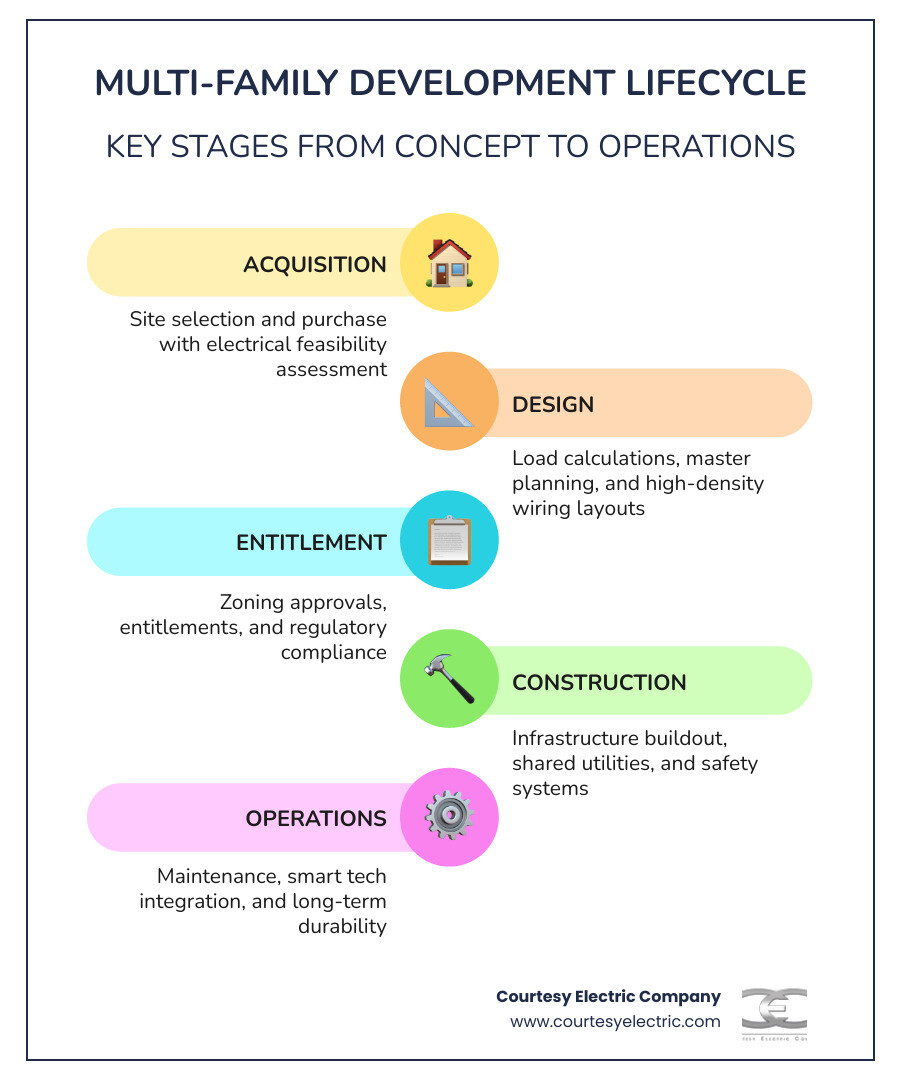
The most important tool is the voltage tester. We cannot stress this enough: never assume the power is off just because you flipped a switch. Test every wire, every time.

There are several tasks that are perfectly safe for a homeowner who is comfortable with basic tools. Replacing a burnt-out light bulb or swapping a cracked decorative faceplate doesn't require a permit or a professional. Similarly, testing your smoke detector batteries or setting up a plug-in smart home hub is low-risk. If a breaker trips once, it’s usually safe to reset it—provided you know what caused the trip (like running a space heater and a vacuum on the same circuit).

If you're looking to enhance your home's ambiance, you might explore lighting control options that are battery-powered or plug-and-play. For more comprehensive electrical service, however, the boundary begins to shift.

Simple repairs where you might not need to call an electrician vs DIY

If you have a foundational understanding of how circuits work, some "swaps" are manageable. This includes changing a standard light switch for a dimmer switch or replacing an old outlet with a modern USB-integrated version. The key here is "like-for-like." You are not adding new wires; you are simply connecting existing wires to a new device.

Homeowners often tackle these minor upgrades when installing central vac systems or setting up surround sound systems that require low-voltage connections. As long as you aren't opening the main service panel or cutting into structural wiring, these aesthetic or functional upgrades can often be DIY projects. Just remember: if the wiring you find inside the wall looks frayed, scorched, or doesn't match the diagram you're following, stop immediately.

Identifying hazards and when to call an electrician vs DIY for troubleshooting

Troubleshooting is where DIY often becomes dangerous. If you're wondering when to call an electrician vs DIY, the answer is "the moment you smell something funny."

Keep an eye out for these red flags:

  • Flickering Lights: This isn't just a nuisance; it often indicates a loose neutral wire or an overloaded circuit.
  • Buzzing Sounds: Electricity should be silent. A hum or buzz from a wall or outlet is a sign of arcing—electricity jumping through the air—which is a leading cause of fires.
  • Warm Outlets: If an outlet cover is warm to the touch, there is too much heat building up behind the wall.
  • Persistent Breaker Trips: If a breaker trips a second time after you've reset it, the system is telling you there is a serious fault.

When it comes to home security, ensuring your system has a stable, professional power source is vital. For these and other services, professional intervention ensures that "small" problems don't turn into catastrophic failures.

The High Stakes of DIY: Permits, Insurance, and Code Compliance

In Colorado, and specifically across the Front Range, we adhere to strict building codes. These aren't just "suggestions" to make your life difficult; they are based on decades of fire safety data. The National Electrical Code (NEC) is updated regularly to reflect new technologies and safety findings.

One of the biggest risks of DIY electrical work isn't just a shock—it's the legal and financial fallout. Most significant electrical work requires a building permit. If you perform unpermitted work, you could face several issues:

  1. Insurance Claim Denials: If a fire starts due to DIY wiring, your insurance company may refuse to pay the claim because the work was not performed by a licensed professional or inspected by the city.
  2. Real Estate Complications: When you go to sell your home in Denver or Parker, a home inspector will likely flag non-professional work. You may be forced to tear it out and pay a pro to redo it at the last minute to save the sale.
  3. Liability: If unpermitted work causes injury to a guest or a future owner, you could be held personally liable.

Professional low voltage installations and high-voltage upgrades come with a paper trail—permits, inspections, and certificates—that protect your property value and your peace of mind.

DIY Risks Professional Benefits
Potential for fire/shock Guaranteed safety and code compliance
Risk of insurance denial Work is insured and warrantied
Failed home inspections Passed inspections and proper permits
Hidden damage behind walls Expert diagnostic tools (like thermal imaging)

Complex Installations That Always Require a Licensed Pro

There are some projects that simply have no "DIY" version. These require a deep understanding of load calculations, wire degradation, and grounding systems. At Courtesy Electric Company, we specialize in these high-complexity electrical service needs.

  • EV Charger Stations: Installing a Level 2 charger isn't as simple as plugging in a toaster. It requires a dedicated high-voltage circuit and often a significant increase in your home's electrical load.
  • Main Panel Upgrades: Working inside the main breaker box is incredibly dangerous because the main bus bars remain "live" even when the main breaker is shut off. Whether you're moving to a SPAN smart panel or just increasing your amperage, this is a job for us.
  • Whole-Home Rewiring: If you live in an older home in the Front Range with knob-and-tube or aluminum wiring, remediation is a massive undertaking that requires specialized techniques to prevent fire hazards.
  • Dedicated Appliance Circuits: Adding a hot tub, a new double oven, or a heavy-duty workshop compressor requires calculating the "load" to ensure you don't melt your wires or trip your main breaker.
  • Outdoor Wiring: Water and electricity are a lethal combination. Outdoor kitchens and landscape lighting require specific GFCI (Ground Fault Circuit Interrupter) and weather-rated components to prevent electrified soil or water features.

Our team provides comprehensive services that ensure these complex systems are balanced, grounded, and safe for decades to come.

Frequently Asked Questions about Electrical Safety

Do I need a permit for installing an EV charger in Denver?

Yes. In Denver and surrounding areas like Highlands Ranch and Aurora, installing an EV charger is considered a significant modification to your home's electrical system. A permit ensures that your panel can handle the extra load and that the wiring is sized correctly for the high current the charger will draw. A licensed electrician will handle the permit process and the subsequent safety inspection for you.

Can DIY electrical work void my home insurance coverage?

It absolutely can. Most homeowners' insurance policies have clauses requiring that all "mechanical" work (electrical, plumbing, HVAC) be performed by licensed professionals according to local codes. If a DIY project leads to a fire, the insurance company can argue that you increased the risk through negligence, leading to a total claim denial. Always keep documentation of professional work for your records.

What are the most common DIY electrical mistakes to avoid?

We see the same mistakes over and over when we're called in to fix a DIY project gone wrong:

  • Reversed Polarity: Connecting the hot and neutral wires to the wrong terminals. This can make a device work, but it leaves it "energized" even when turned off, creating a major shock hazard.
  • Improper Grounding: Skipping the ground wire or attaching it incorrectly, which removes your home's primary defense against surges.
  • Incorrect Wire Gauge: Using a wire that is too thin for the amount of electricity (amperage) flowing through it. This causes the wire to overheat and can start a fire behind your drywall.
  • Loose Connections: If a wire nut isn't tight, the connection can "arc," creating intense heat.

To learn more about how our team avoids these pitfalls through years of training, explore our background and mission.

Conclusion

Deciding when to call an electrician vs DIY doesn't have to be a gamble. While swapping a light bulb or a faceplate is a great way to stay involved in your home's upkeep, the "invisible" nature of electricity makes it one of the most dangerous areas for trial and error.

Since 1976, Courtesy Electric Company has been the trusted name for quality, integrity, and dependability across Denver and the Colorado Front Range. Whether you are in Parker, Black Forest, or downtown Denver, we are here to ensure your home is safe, modern, and up to code. We specialize in the future of home energy—from Generac and Cummins generators to SPAN smart panels and Franklin battery storage.

Don't leave your family's safety to a YouTube tutorial. We offer free estimates on all electrical installations, providing you with a professional roadmap for your next project.

Contact us for a professional electrical service consultation and let us give you the peace of mind that comes with knowing the job was done right the first time.

Stay Safe in the Springs with This Electrical Maintenance List

Why a Spring Electrical Safety Checklist Matters for Colorado Homes

spring electrical safety checklist for colorado homes

A spring electrical safety checklist for colorado homes is one of the most important steps Front Range homeowners can take before storm season hits. Here is a quick overview of what to check this spring:

Spring Electrical Safety Checklist for Colorado Homes:

  1. Test all GFCI outlets (press test, then reset)
  2. Check smoke and carbon monoxide detectors — replace if older than 10 years
  3. Inspect your electrical panel for rust, warm spots, or burning smells
  4. Look over all extension cords and appliance cords for fraying or damage
  5. Install or verify whole-home surge protection
  6. Check outdoor outlets for weatherproof covers
  7. Prune tree branches at least 10 feet from power lines
  8. Inspect outdoor wiring and landscape lighting for winter damage
  9. Test your backup generator or battery system
  10. Schedule a professional inspection if your home has older wiring

Colorado's spring weather is unpredictable. One afternoon you have sunshine, and by evening a lightning storm is rolling across the Front Range. That combination of freeze-thaw cycles, heavy snowmelt, and powerful thunderstorms puts real stress on your home's electrical system — often in ways you can't see from the surface.

According to the NFPA, electrical failures and malfunctions were the second leading cause of U.S. home structure fires from 2012 to 2016, accounting for 13% of all incidents. Many of those fires could have been prevented with routine seasonal checks.

Spring is the right time to catch problems that built up over winter before summer storms make them worse.

I'm David Meyer, Vice President of Courtesy Electric — a Colorado electrical contractor with roots going back to 1976. Having worked across the Denver Front Range for years, I've seen how Colorado's seasonal swings create unique electrical hazards that a standard spring electrical safety checklist for colorado homes needs to specifically address. In the sections below, I'll walk you through exactly what to check, what to watch out for, and when to call in a pro.

10-point spring electrical safety checklist overview for Colorado Front Range homeowners - spring electrical safety

Why Spring Weather Stresses Colorado Electrical Systems

In the Denver area and across the Front Range, our homes endure some of the most dramatic weather shifts in the country. As we move into April 2026, we have to consider how the past winter has impacted our Residential electrical infrastructure.

The Freeze-Thaw Cycle and Saturated Soil

Colorado is famous for its "yo-yo" weather. We might have a 60-degree day followed by a deep freeze. This constant expansion and contraction of the soil can actually shift your home's grounding rod or loosen the connections where power enters your house. When the spring snowmelt begins, the soil becomes saturated. Wet soil is highly conductive, which means any fault in your underground wiring or grounding system can become a major shock hazard.

Lightning and Voltage Spikes

As warmer air returns, so do the powerful thunderstorms that roll off the Rockies. Lightning doesn't even have to strike your home directly to cause damage; a strike nearby can send a massive voltage spike through utility lines. Without proper grounding and protection, these surges can fry sensitive electronics, from your smart fridge to your home office setup.

Essential spring electrical safety checklist for colorado homes

When we perform a professional Electrical Service, we look at the home as a complete system. For your DIY spring check, it helps to visualize the "path of power" from the street to your devices.

modern residential electrical panel in a Denver home - spring electrical safety checklist for colorado homes

Storm Preparedness and Surge Protection

Most people think a power strip from a big-box store is enough. In reality, those offer very little protection against a significant Colorado lightning strike. We recommend whole-home surge protection installed directly at your main panel. This acts as a gateway, blocking surges before they ever reach your outlets.

Emergency Power Planning

With spring comes the risk of power outages from heavy, wet "tree-breaker" snow or high winds. Now is the time to:

  • Test your generator: If you have a Generac or Cummins standby generator, run a test cycle. Ensure it has fresh fuel and no debris is blocking the exhaust.
  • Check battery backups: Systems like Franklin battery storage should be checked for charge levels and firmware updates.
  • Create a Storm Kit: Keep LED flashlights, fresh batteries, and a portable phone bank in a dedicated spot. Know how to manually open your electric garage door so you aren't trapped during an outage!

Indoor spring electrical safety checklist for colorado homes

Our Homeowners guide focuses on the high-traffic areas where moisture and electricity meet.

  • GFCI Testing: Ground Fault Circuit Interrupters (those outlets with the "Test" and "Reset" buttons) are lifesavers in kitchens, bathrooms, and garages. Press the "Test" button monthly. If the "Reset" button doesn't pop out, the outlet is faulty and needs immediate replacement.
  • Smoke and CO Detectors: Test every unit. If a detector is more than 10 years old, the internal sensors degrade—replace the entire unit, not just the battery.
  • Water Heater Safety: Check your water heater temperature. It should be set to 120 degrees or less to prevent scalding and reduce the electrical load.
  • Cord Inspection: Pull your furniture away from the walls. Check for "heat damage" or fraying on cords. Never run extension cords under rugs, as trapped heat can lead to a fire.

Outdoor spring electrical safety checklist for colorado homes

Winter is hard on exterior components. We've been About this business long enough to know that a single cracked outlet cover can lead to a short circuit during a rainstorm.

  • The 10-Foot Rule: Inspect the area where power lines enter your home. Tree branches should be pruned back at least 10 feet. Warning: Never trim branches near power lines yourself; always hire a professional tree service.
  • Weatherproof Covers: Check your outdoor "bubble covers." They should be intact and snap shut completely to keep out Colorado's driving rain and snow.
  • 811 Digging Safety: Planning a new garden or fence this spring? Call 811 before you dig. Striking an underground power line is dangerous and incredibly expensive to repair.
  • Landscape Lighting: Check for exposed wires that may have been uncovered by snowmelt or shifted soil.

Identifying Hidden Hazards in Older Front Range Properties

Many homes in Denver, Parker, and Highlands Ranch were built during eras with different electrical standards. Part of our Warranty and quality commitment is helping owners of older homes identify "invisible" risks.

Aluminum Wiring (Mid-1960s to 1970s)

If your home was built between 1965 and 1973, it might have aluminum branch-circuit wiring. Aluminum expands and contracts more than copper, which can cause connections to loosen over time, leading to overheating and fire risks.

Knob-and-Tube Risks

In very old Denver neighborhoods, you might still find knob-and-tube wiring. This system lacks a ground wire and relies on open air for cooling. If a previous owner added insulation over this wiring, it creates a massive fire hazard.

Modern Solutions: SPAN Smart Panels

One of the best ways to modernize an older home is by upgrading to a SPAN smart panel. These panels allow you to monitor every circuit in your home from your phone, giving you real-time alerts if a circuit is drawing too much power or behaving strangely.

When to Call a Professional for Electrical Maintenance

While a checklist is a great start, some things require a licensed expert. Our Services team recommends calling us immediately if you notice:

  1. Flickering Lights: This often indicates a loose neutral wire or an overloaded circuit.
  2. Burning Smells: An ozone or "fishy" smell near an outlet is a sign of electrical arcing.
  3. Warm Outlets or Switches: If a wall plate feels hot to the touch, there is a dangerous heat buildup behind the wall.
  4. Frequent Breaker Trips: If your AC or vacuum constantly trips the breaker, your panel may not be able to handle modern electrical loads.

We specialize in Generac and Cummins backup power and Franklin battery storage to ensure that even when the Colorado grid fails, your home stays bright and safe.

Frequently Asked Questions about Colorado Home Safety

Feature GFCI Protection AFCI Protection
What it does Protects people from shocks Protects homes from fires
How it works Detects moisture/ground faults Detects dangerous arcing/sparks
Where it goes Kitchens, Baths, Outdoors Bedrooms, Living Areas
Testing Monthly via "Test" button Monthly via "Test" button

How long do surge protectors last? Most "point-of-use" power strips only last 2–3 years. They have a limited amount of "joules" they can absorb. Once those are used up, they are just a regular extension cord with zero protection.

Why does my grounding system need maintenance? Colorado's dry, rocky soil can be poor for grounding. Over time, the copper rod can corrode or the connection can loosen due to the freeze-thaw cycles we mentioned earlier. A professional can test the "ohms" of your ground to ensure it’s actually working.

What is the 10-year rule? This applies to smoke detectors. Even if you change the batteries, the sensing chamber inside gets clogged with dust and pollutants over a decade. If the date on the back of the unit is from 2016 or earlier, it’s time for a new one.

Conclusion

At Courtesy Electric Company, we believe that safety is built on a foundation of quality and integrity. Since 1976, we have been the Denver area's trusted experts for everything from complex multi-family infrastructure to helping a homeowner install their first smart panel.

Don't let a spring storm catch you off guard. Taking the time to walk through this spring electrical safety checklist for colorado homes can save you from costly repairs and keep your family safe. If you find anything concerning during your inspection, or if you're ready to upgrade your home with a backup generator or battery system, we are here to help.

Schedule your professional electrical service today and let our experienced team give you the peace of mind you deserve this spring.